
Family and Parenting: 7 Mistakes Christian Parents Make with Digital Safety (and How to Fix Them)
- Dr. Layne McDonald
- Feb 10
- 5 min read

Updated: Jul 14
I've watched countless Christian parents navigate the digital landscape with their kids, and I'll be honest, most of us are winging it. We know our children face dangers online that we never encountered growing up, but we're often making critical mistakes without realizing it.
Today, I'm breaking down the seven most common digital safety mistakes I see Christian parents make, along with practical fixes you can implement immediately. These aren't theoretical concerns, they're real patterns that leave our kids vulnerable.
Mistake #1: Installing Filters and Calling It Done
The biggest trap? Thinking that Covenant Eyes, Bark, or any other monitoring software is a complete solution.
Don't get me wrong, these tools are valuable. I recommend both Covenant Eyes for accountability and Bark for comprehensive monitoring. But here's the problem: restriction without discipleship creates sneaky kids, not godly kids.

When we rely solely on technology to protect our children, we miss the opportunity to teach them why certain content is harmful and how to make Christ-honoring choices when no one's watching.
The Fix: Combine your technical safeguards with ongoing conversations. Explain to your kids what the monitoring tools do and why you're using them. Frame it as protection, not punishment. More importantly, regularly discuss biblical principles about purity, wisdom, and stewarding their minds well. The goal isn't perfect restriction, it's discipleship that sticks when they leave home.
Mistake #2: Modeling Terrible Digital Habits Ourselves
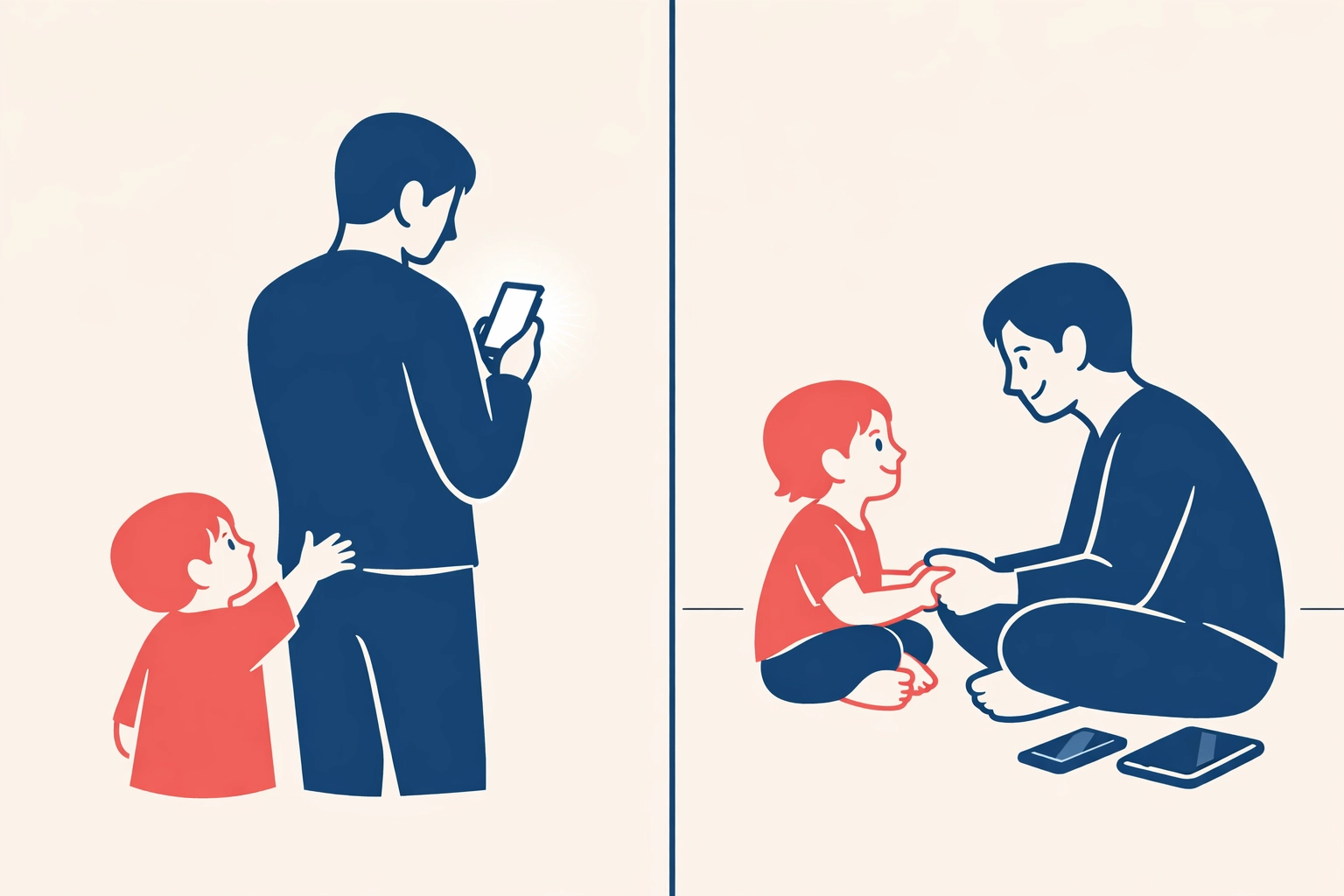
Our kids are watching. When we're constantly scrolling during dinner, checking notifications during family devotions, or zoning out on our phones while they're trying to talk to us, we're teaching them that screens trump relationships.
I've caught myself doing this more times than I'd like to admit. My daughter asks me a question, and I'm half-listening because I'm "just finishing" an email. The hypocrisy is glaring when I later lecture her about screen time limits.
The Fix: Practice what you preach. Set your own boundaries and make them visible. Create phone-free zones and times in your home, and stick to them yourself. When your kids see you choosing presence over notifications, they learn that real connection matters more than digital distractions.
Consider using the same monitoring tools you require for your kids. If they know you're accountable too, it removes the "because I said so" dynamic and creates a culture of mutual growth.
Mistake #3: Allowing Private, Unsupervised Internet Access
Handing a child a smartphone or tablet with unrestricted internet access and no supervision is like dropping them off in a dangerous neighborhood at midnight and hoping for the best.
I know it's inconvenient to keep devices in common areas. I know kids complain about privacy. But the statistics on what children encounter online, pornography exposure averages around age 11, cyberbullying, predatory behavior, should shake us out of our convenience-focused parenting.
The Fix: Keep all devices with internet capability in common areas. Bedrooms are off-limits for smartphones, tablets, and laptops, especially overnight. Consider having a charging station in the kitchen or living room where all family devices go by 8 PM.
For younger children, sit with them during screen time. For older kids and teens, position yourself where you can see their screens without hovering. This visibility naturally discourages risky behavior and creates opportunities for teachable moments.
Mistake #4: Reacting with Shame When They Encounter Bad Content
Here's the uncomfortable truth: your child will encounter inappropriate content online, even with filters in place. The question isn't if, but when, and how you'll respond.
Many parents blow it at this critical moment. A child stumbles across something disturbing, feels confused or guilty, and decides to tell Mom or Dad. If the parent responds with anger, shame, or panic, the child learns to hide these encounters in the future.

The Fix: Respond with calm, grace-filled conversations. Thank your child for being honest. Ask questions to understand what happened. Use it as a teaching moment about Satan's tactics and God's design for purity.
Tell your kids in advance: "When, not if, you see something online that makes you uncomfortable or seems wrong, I want you to tell me immediately. You won't be in trouble. We'll talk through it together." Then follow through on that promise.
Mistake #5: Handing Over Devices Without Establishing Clear Agreements
I've seen parents give their 10-year-old a smartphone for their birthday, then scramble to set up rules after problems emerge. By then, it's much harder to implement boundaries, the child already feels entitled to unrestricted access.
The Fix: Develop a written family media plan before introducing any new device. Sit down together and discuss:
What apps and websites are allowed
Daily screen time limits
Where devices can and cannot be used
Consequences for breaking agreements
Regular check-ins to review and adjust rules
Make it collaborative, not dictatorial. When kids help create the rules, they're more invested in following them. Have everyone sign the agreement and post it somewhere visible.
Many families use device contracts that clearly spell out expectations and consequences. This removes ambiguity and gives you something concrete to reference when conflicts arise.
Mistake #6: Choosing Convenience Over Vigilance
Digital parenting requires intentionality, and intentionality is exhausting. It's so much easier to hand your child an iPad in the restaurant than to pack activities or engage them in conversation. It's simpler to let them zone out on YouTube than to deal with boredom complaints.
But convenience-driven parenting creates digitally dependent kids who lack the skills to manage boredom, regulate emotions, or connect meaningfully with others.

The Fix: Build margin into your life so you have energy for engaged parenting. This might mean:
Reducing your kids' extracurricular activities so you're not constantly rushed
Meal planning so dinners don't become screen-time opportunities
Creating a library of non-digital activities for car rides and waiting rooms
Scheduling regular tech-free family activities
Yes, your kids will complain initially. Yes, it's more work upfront. But you're building resilience and creativity that will serve them for decades.
Mistake #7: Ignoring the Spiritual Battle
Here's what too many Christian parents miss: digital safety isn't primarily a technology problem: it's a spiritual battle.
Satan uses screens to isolate our kids, feed them lies about identity and worth, expose them to sexual content that warps God's design, and distract them from meaningful relationships and spiritual growth.
When we treat digital safety as merely a parenting strategy rather than spiritual warfare, we're fighting with incomplete armor.
The Fix: Pray specifically and regularly for your children's digital lives. Pray for protection from harmful content, wisdom in their choices, and courage to walk away from temptation.
Teach your kids to recognize spiritual attacks. Help them understand that certain apps, websites, or online interactions can be actual pathways for the enemy's influence.
Equip them with Scripture for moments of temptation. Encourage them to develop a personal conviction about honoring God online, not just following your rules.

Takeaway: Your Next Step
Digital safety in a Christian home requires vigilance, grace, and discipleship: not perfection. Start by choosing one mistake from this list and implementing the fix this week. Maybe it's having a calm conversation about what to do when encountering inappropriate content. Maybe it's moving device charging stations to a common area. Maybe it's writing out a family media agreement together.
The goal isn't to raise paranoid kids who fear technology or rebellious kids who sneak around your restrictions. The goal is raising digitally wise disciples who can navigate online spaces with biblical discernment and Christ-like character.
If you found this helpful, I'd love to hear how you're navigating digital safety with your kids: reach out to me on the site at laynemcdonald.com or connect with our online faith community at boundlessonlinechurch.org. Also, simply browsing the site helps support families in need through ad revenue at no cost to you. Share this post with other parents who might need these strategies( we're all in this together.)
Comments