
Faith and Healing: How I Found My Way Back When Everything Fell Apart
- Dr. Layne McDonald
- Feb 7
- 5 min read

There's a moment when life hits you so hard that you can't remember who you were before. For me, it wasn't just one thing: it was a cascade. A job loss that destroyed my sense of purpose. A relationship that ended in betrayal. Financial pressure that made me question everything I thought I'd built. Within six months, the life I knew had completely crumbled.
I'm not writing this from a place of "look how great everything is now." I'm writing this from the messy middle: the place where healing is happening but scars are still visible. Because if you're reading this and everything has fallen apart, you need to know that finding your way back isn't about reaching some perfect destination. It's about taking one small step forward when you don't even know where the path leads.
When the Bottom Drops Out
The worst part wasn't the circumstances themselves. It was the silence. I'd been part of a church community for years, but when things got really bad, I pulled away. Shame does that. It convinces you that if people knew how broken you really were, they'd see you differently. So I stopped showing up. Stopped answering calls. Stopped praying, because honestly, it felt like shouting into a void.
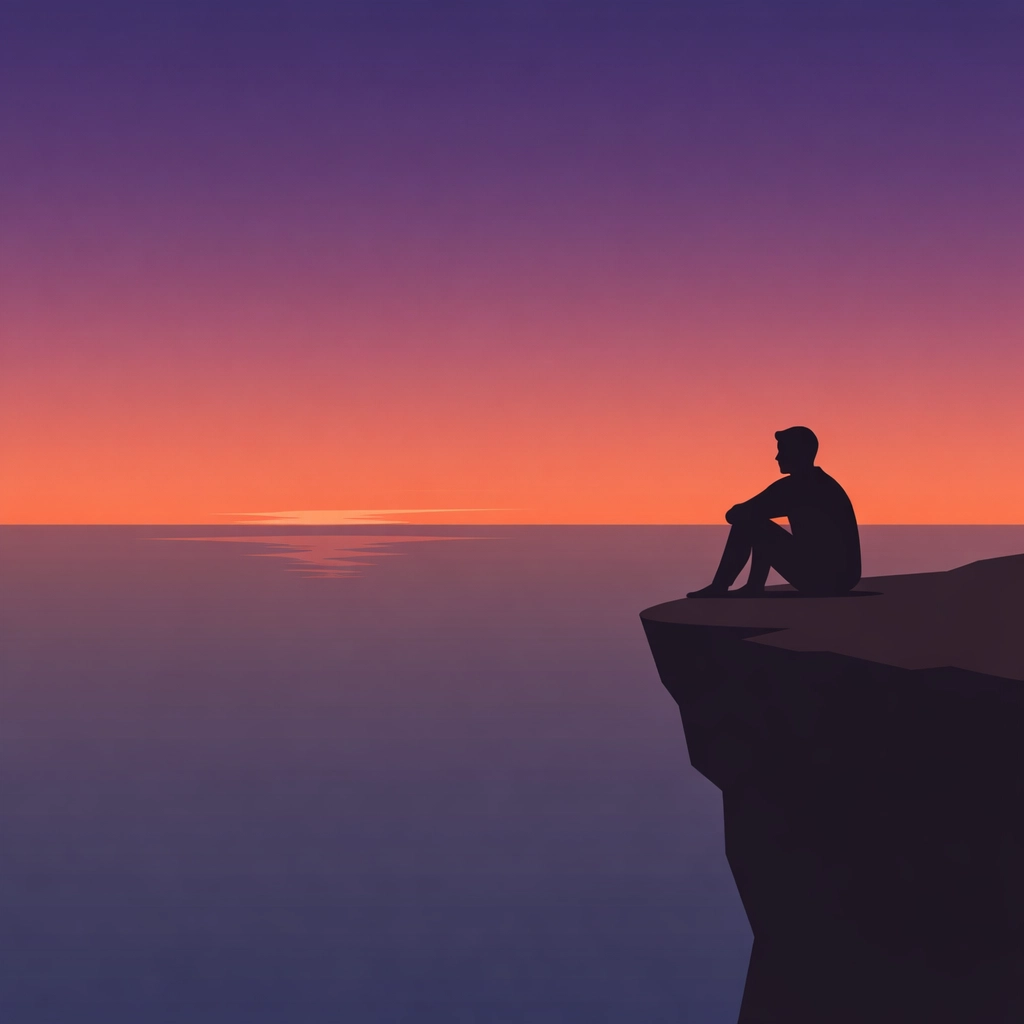
I spent months in survival mode. Wake up. Go through the motions. Numb the pain however possible. I wasn't living: I was existing. And the spiritual disconnection was the deepest wound of all. I'd built my life on faith, but when I needed it most, I couldn't feel anything. No peace. No presence. Just emptiness.
That's when I realized something crucial: faith isn't about feelings. When the feelings are gone, faith becomes a choice. A daily, sometimes hourly decision to believe that God hasn't abandoned you even when everything feels abandoned.
The Turning Point Nobody Talks About
Here's what changed everything for me, and it wasn't dramatic. I didn't have a mountaintop experience or hear an audible voice. I was sitting in my car in a parking lot at 2 AM, unable to sleep, when I finally said out loud: "I can't do this anymore. I don't know how to fix this. I need help."
That's it. No eloquent prayer. No bargaining or promises. Just raw, honest surrender.
Within a week, small things started shifting. A friend reached out randomly: someone I hadn't talked to in months: and just said, "I've been thinking about you." I found a Christian counselor who understood trauma and faith. I started reading again, not heavy theology, but simple devotionals that met me where I was.
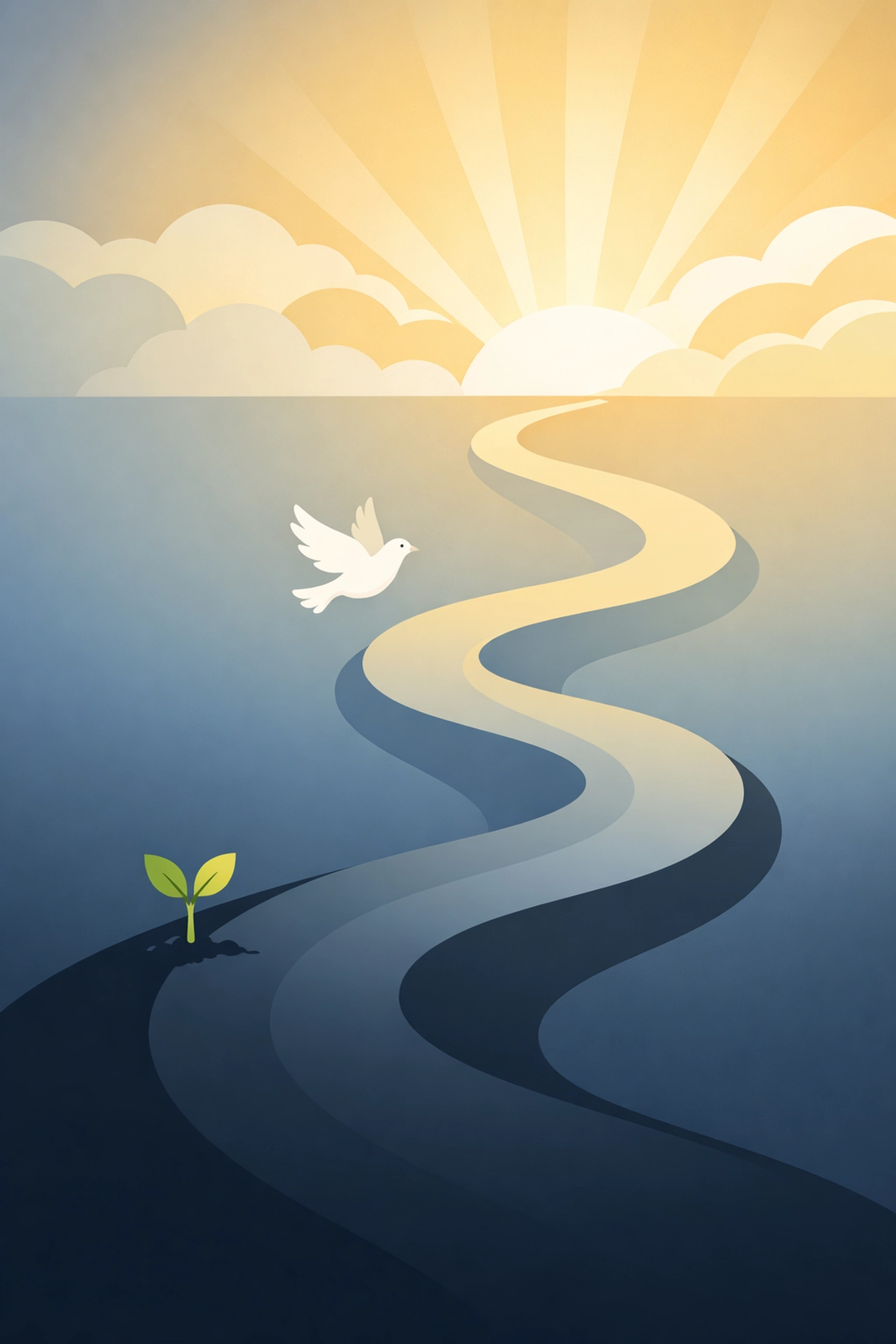
The healing didn't happen overnight. It happened in fragments. A moment of peace during a walk. A verse that hit differently than it ever had before. A conversation where I felt truly heard. I learned that healing isn't linear: some days you take three steps forward and two steps back. And that's okay.
Practical Steps That Actually Helped
Let me give you the things that made a real difference, not the spiritual platitudes that sound good but don't actually work when you're drowning:
1. I found one safe person to be honest with. Not a whole group. One person who I could text at 3 AM and say, "I'm not okay today." Healing happens in community, but sometimes community starts with just one safe relationship.
2. I stopped trying to pray perfectly. My prayers became conversations, complaints, questions. I read the Psalms and found comfort in David's raw honesty. He questioned God. He expressed anger and confusion. And God didn't strike him down: He listened.
3. I gave myself permission to rest. This was huge. I'd been running on empty for so long that I'd forgotten what rest felt like. I started taking actual Sabbath: turning off my phone, doing things that restored me, letting myself be unproductive without guilt.
4. I dealt with the trauma, not just the symptoms. This meant professional help. Therapy isn't unspiritual: it's wisdom. I needed someone trained to help me process what I'd been through, identify unhealthy patterns, and rebuild healthy ones.
5. I returned to basics. Reading one verse a day. Five minutes of worship music. Short walks where I talked to God like a friend. I stopped trying to have hour-long devotionals I couldn't sustain and started with what I could actually do.
What I Learned About God in the Breaking
The biggest revelation was this: God wasn't waiting for me to get myself together before He would show up. He was present in the mess. He was present in the silence. He was present in the pain I couldn't articulate.
I used to think faith meant having all the answers. Now I know faith means trusting even when nothing makes sense. It's believing that the God who sees every sparrow also sees you in your darkest moment: and He hasn't looked away.
The breaking taught me that my value isn't in what I accomplish or how together my life looks. It's in being a child of God. Period. No conditions. No performance requirements. Just belonging.
I also learned that healing often comes through unexpected channels. The stranger who paid for my coffee when my card declined. The neighbor who invited me to dinner when I hadn't eaten a real meal in days. The old friend who showed up when everyone else had moved on. God's presence showed up through people who loved like Jesus: meeting needs without judgment, offering help without strings attached.
Takeaway / Next Step
If you're in the middle of your own collapse right now, here's what I want you to know: the way back isn't about becoming who you used to be. It's about becoming who you were always meant to be. The breaking strips away everything that wasn't really you: the masks, the performance, the false foundations.
Your next step doesn't have to be big. It just has to be honest.
Maybe it's admitting you need help. Maybe it's reaching out to one person. Maybe it's opening your Bible for the first time in months, even if you don't feel anything. Maybe it's just choosing to believe, even by a thread, that this isn't the end of your story.
Healing is possible. Peace is possible. Not because life gets perfect, but because you learn to find God's presence in the imperfect. You learn that faith isn't about having it all together: it's about trusting the One who holds you together when everything else falls apart.
Start where you are. Take one step. Then take another. The path appears as you walk it.
Connect and Keep Growing
If this post resonated with you, I'd love to continue this conversation. You can reach out to me on the site at laynemcdonald.com where you'll find more resources on faith, healing, and finding your way forward. Browsing the site also helps raise funds for families who have lost children through Google AdSense at no cost to you: your time there makes a real difference.
For deeper Christian teaching and community, check out Boundless Online Church, which offers a space to grow in faith whether you engage privately or sign up to connect with others on the same journey.
You're not alone in this. Keep walking. Keep believing. Keep choosing faith, even when it's hard. That's where the healing happens.
Comments