
Favoritism in the Family: Racism, Classism, and Social Hierarchies in Church
- Dr. Layne McDonald
- Dec 30, 2025
- 5 min read

Sunday morning arrives, and Maria walks through the church doors for the first time. She's greeted warmly at the entrance, handed a bulletin, and directed to find a seat. But as she scans the sanctuary, she notices something unsettling. The front rows are filled with well-dressed families who seem to know everyone. The back corner holds a small cluster of people who look more like her: working-class, diverse, quiet. The greeting was genuine, but the invisible lines are already drawn.
This scene plays out in churches across America every week. We preach that all are welcome, but our actions often tell a different story. The uncomfortable truth is that many of our churches have developed social hierarchies that mirror the world rather than the kingdom of God.
When Church Becomes a Popularity Contest
Favoritism in church doesn't always announce itself with a megaphone. It whispers through seating arrangements, volunteer opportunities, and whose opinions carry weight in meetings. It shows up when the wealthy businessman's ideas get immediate attention while the single mom's concerns are noted and forgotten. It reveals itself when leadership consistently reflects one demographic while claiming to serve all.
James 2:2-4 paints a vivid picture: "Suppose a man comes into your meeting wearing a gold ring and fine clothes, and a poor man in filthy old clothes also comes in. If you show special attention to the man wearing fine clothes and say, 'Here's a good seat for you,' but say to the poor man, 'You stand there' or 'Sit on the floor by my feet,' have you not discriminated among yourselves and become judges with evil thoughts?"
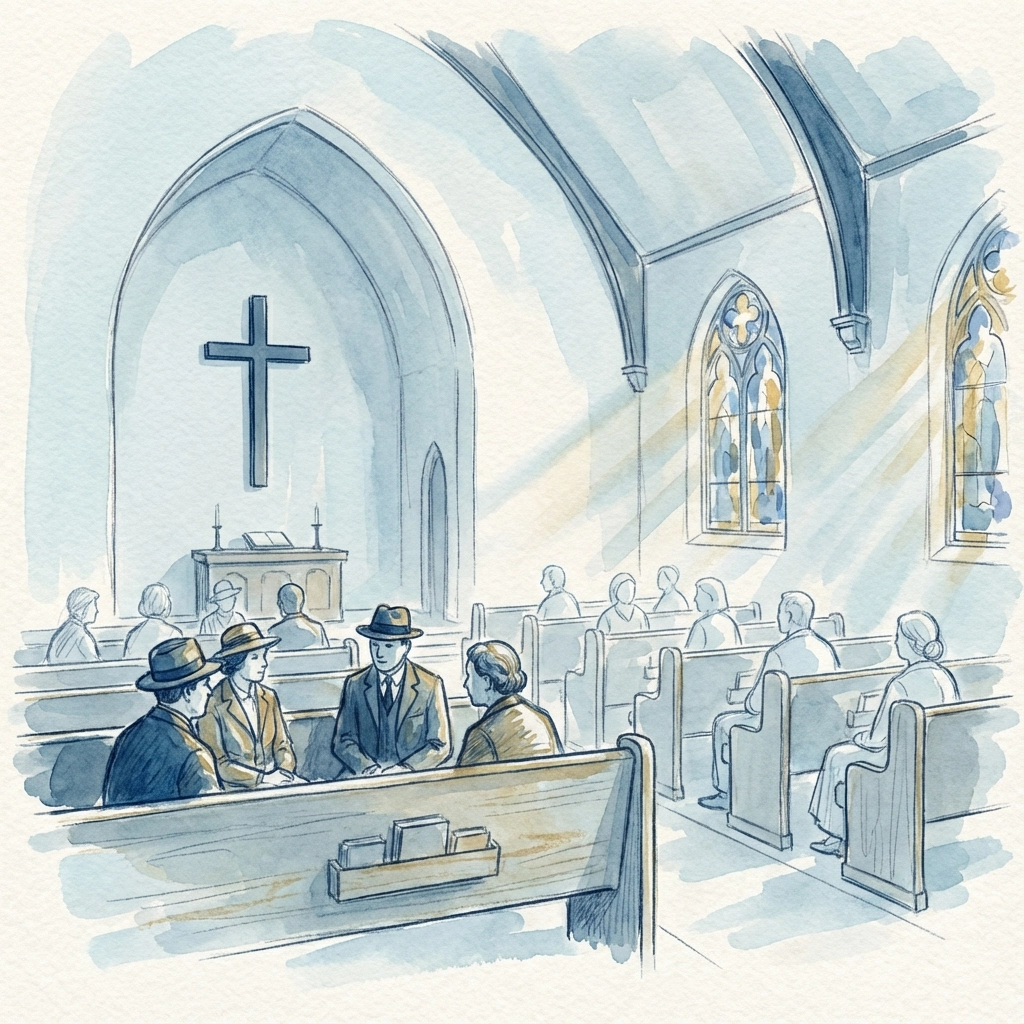
This isn't just an ancient problem. Modern churches struggle with the same temptations, just dressed differently. We might not have literal gold rings and dirty clothes, but we have luxury cars in the parking lot next to beat-up sedans. We have college-educated professionals sitting near high school dropouts. We have different zip codes, accents, and life experiences all gathered in one space.
The Subtle Art of Church Ranking
Favoritism rarely wears a name tag. Instead, it hides behind seemingly innocent practices:
The Inner Circle Effect: Every church has its core group: the people who seem to know everything first, whose kids get the best opportunities, who somehow always end up in leadership. When this circle becomes closed to newcomers or certain types of people, favoritism has taken root.
The Usefulness Scale: Some churches unconsciously rank people by what they can contribute. The lawyer gets invited to board meetings. The musician gets fast-tracked to the worship team. The teacher becomes the obvious choice for children's ministry. Meanwhile, the unemployed single dad struggles to find his place beyond sitting in a pew.
The Comfort Zone Trap: We gravitate toward people who look, think, and live like us. This natural tendency becomes toxic when it creates unspoken barriers for those who don't fit our demographic mold.
When Welcome Stops at the Handshake
True welcome goes far beyond friendly greetings and coffee in the lobby. Real inclusion means creating spaces where people can belong before they believe, contribute before they conform, and question without being judged.
Many churches excel at surface-level hospitality but struggle with deep-level integration. They'll warmly welcome the visiting family but never follow up about why they didn't return. They'll invite the new person to lunch but never to their small group. They'll say "we're so glad you're here" but never ask "how can we help you find your place?"
The Trust-Building Challenge
When churches have perpetuated favoritism: especially along racial or economic lines: rebuilding trust requires more than good intentions. It demands honest acknowledgment, systemic changes, and sustained effort.
Trust erodes when people notice that leadership diversity doesn't match congregational diversity, when certain neighborhoods never see outreach efforts, or when church resources consistently benefit some more than others. Rebuilding that trust means examining not just our hearts but our structures, policies, and practices.
Acknowledgment Before Action: You can't fix what you won't admit. Churches serious about change must honestly assess where favoritism has taken root. This might mean uncomfortable conversations about who holds power, whose voices are heard, and which communities have been overlooked.
Representation That Reflects: If your leadership doesn't reasonably reflect your congregation (or your community), you're probably missing perspectives that matter. This isn't about quotas: it's about recognizing that different experiences bring different insights.
Resource Distribution: Look at where your church invests time, money, and energy. Do certain programs get generous funding while others scrape by? Do some groups get prime meeting spaces while others make do with less? These seemingly small decisions send powerful messages.
Moving Beyond Tolerance to True Inclusion
The goal isn't just peaceful coexistence: it's genuine community where differences are celebrated rather than simply tolerated. This requires intentional effort and uncomfortable growth.
Listen Before You Lead: Before making changes, spend time listening to people who've felt excluded or overlooked. Their experiences will reveal blind spots you never knew existed.
Create Bridges, Not Barriers: Look for ways to connect different groups within your church. Potluck dinners where people share their cultural foods. Small groups that intentionally mix demographics. Service projects that require different skills and backgrounds.
Examine Your Assumptions: We all carry unconscious biases about who belongs where and who can do what. Regular self-examination and feedback from diverse voices can help identify these assumptions before they become actions.

Practical Steps Toward Change
Real change requires specific actions, not just general good intentions:
• Audit your systems: Who gets asked to volunteer? Who gets invited to leadership? Whose kids get opportunities? Look for patterns that might reveal favoritism.
• Diversify decision-making: Include voices from different backgrounds in planning and leadership. Don't just invite token participation: create meaningful opportunities for input and influence.
• Address the elephant: If your church has a history of favoritism or exclusion, acknowledge it publicly. Apologize specifically, not generally. Outline concrete steps toward change.
• Train your team: Help staff and volunteers recognize unconscious bias and learn inclusive practices. What feels welcoming to one person might feel excluding to another.
• Follow through: Change requires sustained effort, not just initial enthusiasm. Regular check-ins, ongoing training, and accountability measures help ensure good intentions become lasting transformation.
The Kingdom Vision
God's vision for the church looks radically different from the world's social hierarchies. Revelation 7:9 gives us a glimpse: "a great multitude that no one could count, from every nation, tribe, people and language, standing before the throne."
This isn't just a future hope: it's a present calling. Our churches should be previews of heaven's diversity, not reflections of earth's divisions.
The beautiful truth is that when we embrace this vision, everyone benefits. The wealthy businessman learns from the struggling single mom's faith. The college professor gains wisdom from the high school dropout's life experience. The suburban family grows through relationships with urban neighbors.
Breaking down favoritism doesn't diminish anyone: it enriches everyone.
The path forward requires courage, humility, and sustained commitment. But for churches willing to do the hard work, the reward is a community that truly reflects the heart of God: a place where everyone belongs, everyone contributes, and everyone grows.
Your church can be a lighthouse of genuine inclusion in a world divided by artificial hierarchies. It starts with honest examination, continues with intentional action, and flourishes through sustained commitment to seeing every person as God sees them: beloved, valuable, and essential to the body of Christ.
Ready to examine where favoritism might be hiding in your church community? Dr. Layne McDonald offers coaching and workshop resources specifically designed to help church leaders navigate these challenging conversations and create more inclusive environments. Visit our leadership resources to learn how you can lead the change your community needs.
Comments