First Impressions: You Are the First Safe Human They See
- Dr. Layne McDonald
- Feb 13
- 5 min read

Sunday morning. The parking lot is filling up. Cars are pulling in, engines cutting off, doors opening. And somewhere between the asphalt and your church's front entrance, something sacred is about to happen.
You're standing at the door. Coffee in hand. Smile ready. Name tag on.
But here's what you might not fully realize yet: for someone walking toward you right now, you are about to become the first safe human they see today.
Maybe this week.
Maybe in a long time.
That's not an exaggeration. That's the mission.
The Training Tip Most Greeter Manuals Miss
Most greeter training focuses on logistics. Where to stand. How to hand out bulletins. When to open the door. How to point someone toward the restroom or the kids' check-in area.
All of that matters. But it's not the heart of the work.
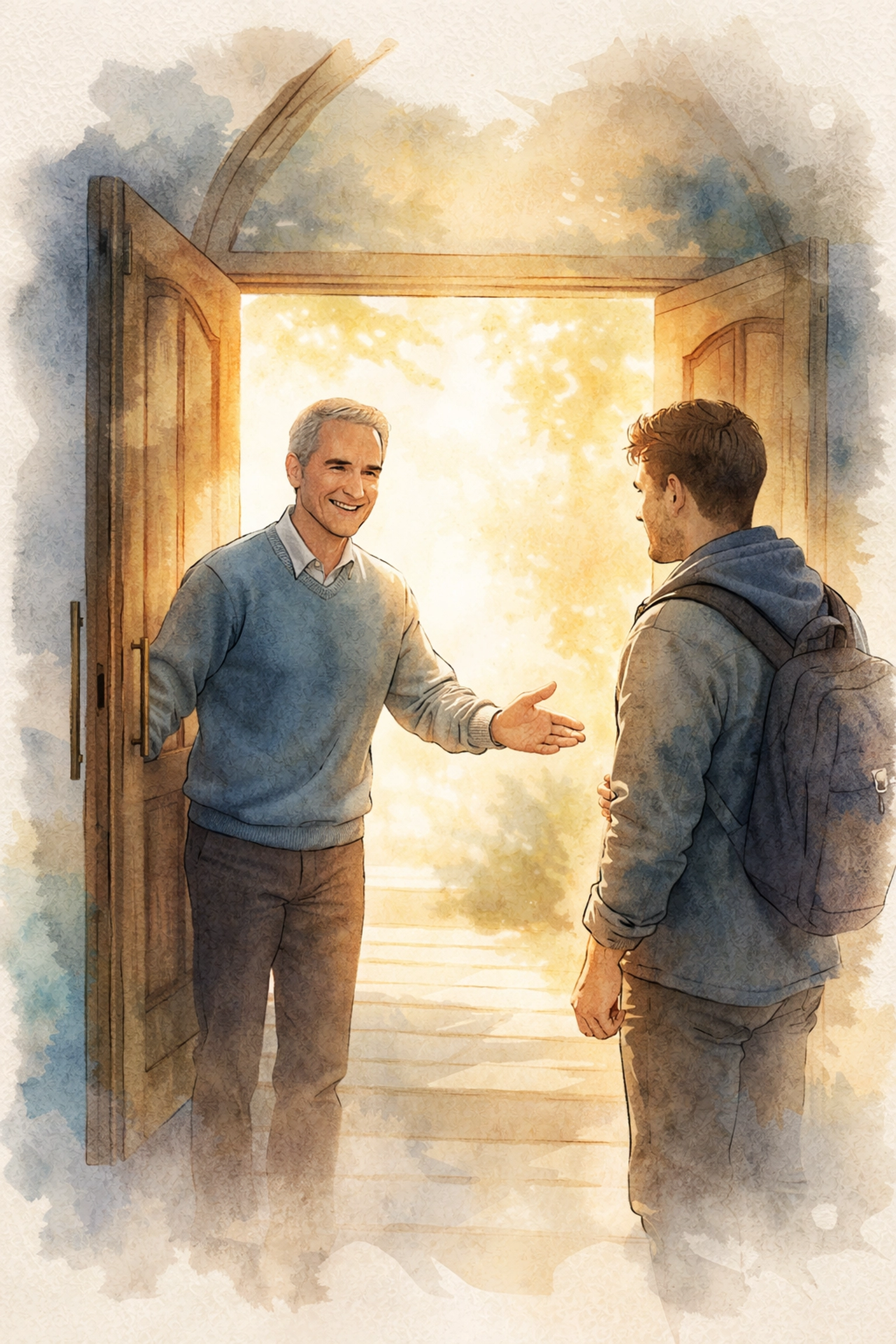
Here's the training tip that changes everything: Your job isn't to greet people. Your job is to make people feel seen before they even sit down.
There's a difference.
Greeting is transactional. "Good morning! Welcome!" Check. Done. Next person.
But making someone feel seen? That's relational. That's spiritual. That's the moment where faith becomes action, where serving turns into ministry.
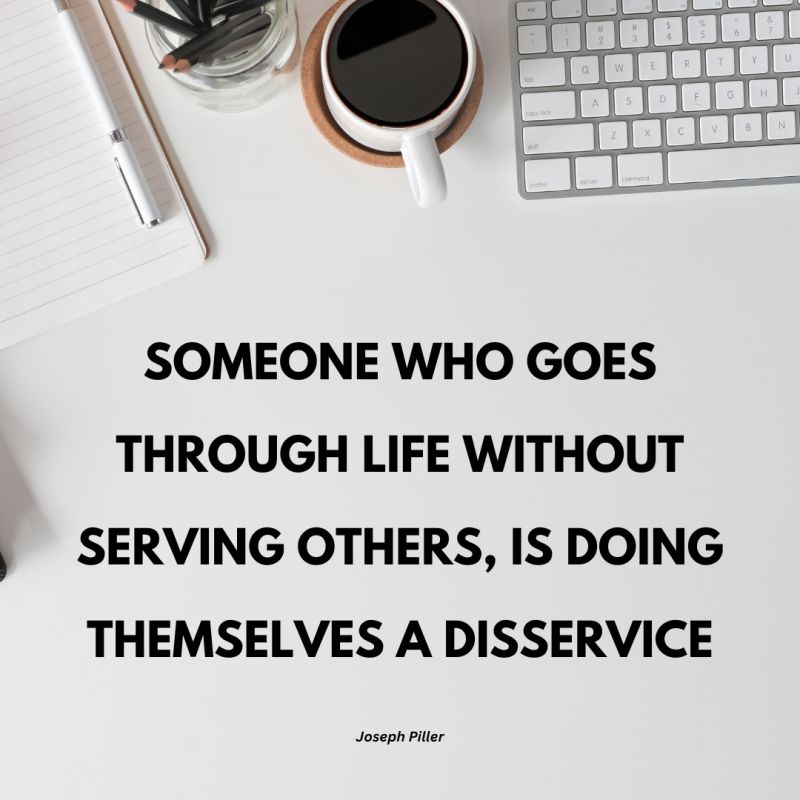
When you approach your role this way, the door you're standing at becomes more than an entrance. It becomes a threshold between someone's chaos and their chance to exhale.
The Emotional Weight Walking Through Your Doors
Let's talk about who's actually showing up on a Sunday morning.
Not everyone breezes through your lobby with a smile. Some do, and that's beautiful. But others?
There's the single mom who almost didn't come because getting three kids dressed and out the door felt impossible.
There's the man who just buried his father and doesn't know how to grieve.
There's the teenager dragged there by a parent, arms crossed, convinced no one in that building could possibly understand them.
There's the couple who had a fight in the car on the way over and is barely speaking.
There's the first-time visitor who hasn't stepped foot in a church in fifteen years and is terrified they'll be judged.
You don't know their stories. You can't. But you can assume this: everyone walking through that door is carrying something.
And here's where your role becomes sacred: you get to be the first person who doesn't add to that weight.
You get to be calm when they feel anxious.
You get to be warm when they feel cold.
You get to be present when they feel invisible.
That's not just hospitality. That's faith in action.
What It Means to Be a "Safe Human"
Research on emotional safety tells us that people feel safe when they experience a few key things:
Being seen as a whole person , not just a face in the crowd.
Feeling like their story is held gently , that they won't be judged or dismissed.
Sensing authentic presence , that the person in front of them is actually paying attention.
Having their dignity respected , that they matter simply because they showed up.
Now read that list again. Every single one of those things can happen in a 10-second interaction at the door.
You don't need a counseling degree. You don't need to know their name or their backstory. You just need to be fully there.
Eye contact. A genuine smile. A tone of voice that says, "I'm glad you're here."
That's it. That's the ministry.
The 10:45 AM Window
If your service starts at 11:00, the most critical window for connection is 10:35–11:00.
This is when the majority of your guests are arriving. It's also when things tend to get chaotic, parking lot traffic, late arrivals, kids running, volunteers scrambling.
Here's the temptation: to go into "crowd control" mode. To focus on logistics instead of people.
Resist that.
Yes, point people in the right direction. Yes, hand out bulletins. But don't let the busyness steal the mission.
In that 25-minute window, slow down internally even if you can't slow down externally. Make eye contact. Use names when you know them. Say things like:
"So glad you made it today."
"Take your time: there's no rush."
"Can I help you find anything?"
These phrases aren't scripts. They're signals. They tell the person in front of you: You're not an inconvenience. You're not invisible. You matter here.
Actionable Takeaways for Greeter Teams
Let's get practical. Here are five things you can implement immediately:
1. Arrive earlier than you think you need to. If your shift starts at 10:30, be there at 10:15. Give yourself time to settle, pray, and get your heart right before the doors open.
2. Pray before you post up. Take 60 seconds before service to ask God to use you. Something simple: "Lord, help me see the people You want me to see today. Help me be calm, present, and kind."
3. Watch for the hesitators. Some people walk in confidently. Others pause at the door, look around nervously, or hang back. Those are your people. Go to them. Don't wait for them to come to you.
4. Use your body language intentionally. Uncross your arms. Face the door. Smile before you speak. These small shifts communicate openness and warmth before you say a word.
5. End every interaction with a blessing. Not a formal one. Just something like, "Hope you have a great service today." Or, "So glad you're here." Let the last thing they hear from you be an encouragement.
The Spiritual Anchor
Hebrews 13:2 says, "Do not forget to show hospitality to strangers, for by so doing some people have shown hospitality to angels without knowing it."
There's something holy about welcoming the unfamiliar. Something that goes beyond good manners or church culture.
When you stand at that door, you're not just filling a volunteer slot. You're participating in something ancient and sacred: the ministry of welcome.
You're saying, with your presence and your posture: "You belong here. You're safe here. You're wanted here."
And for someone who hasn't heard that in a long time? That message might be the most important thing they receive all week.
More important than the sermon.
More important than the worship set.
More important than the coffee in the lobby.
Because before any of that can land, they have to feel safe enough to stay.
And you: standing at the door with your name tag and your smile: you're the one who makes that possible.
Go Deeper
If you're a greeter, a door team volunteer, or a church leader looking to build a culture of radical welcome, you're not alone in this work.

$50
Product Title
Product Details goes here with the simple product description and more information can be seen by clicking the see more button. Product Details goes here with the simple product description and more information can be seen by clicking the see more button

$50
Product Title
Product Details goes here with the simple product description and more information can be seen by clicking the see more button. Product Details goes here with the simple product description and more information can be seen by clicking the see more button.
$50
Product Title
Product Details goes here with the simple product description and more information can be seen by clicking the see more button. Product Details goes here with the simple product description and more information can be seen by clicking the see more button.
Comments