Freedom in the Home: India’s Landmark Ruling on Prayer Meetings
- Dr. Layne McDonald
- Mar 8
- 6 min read

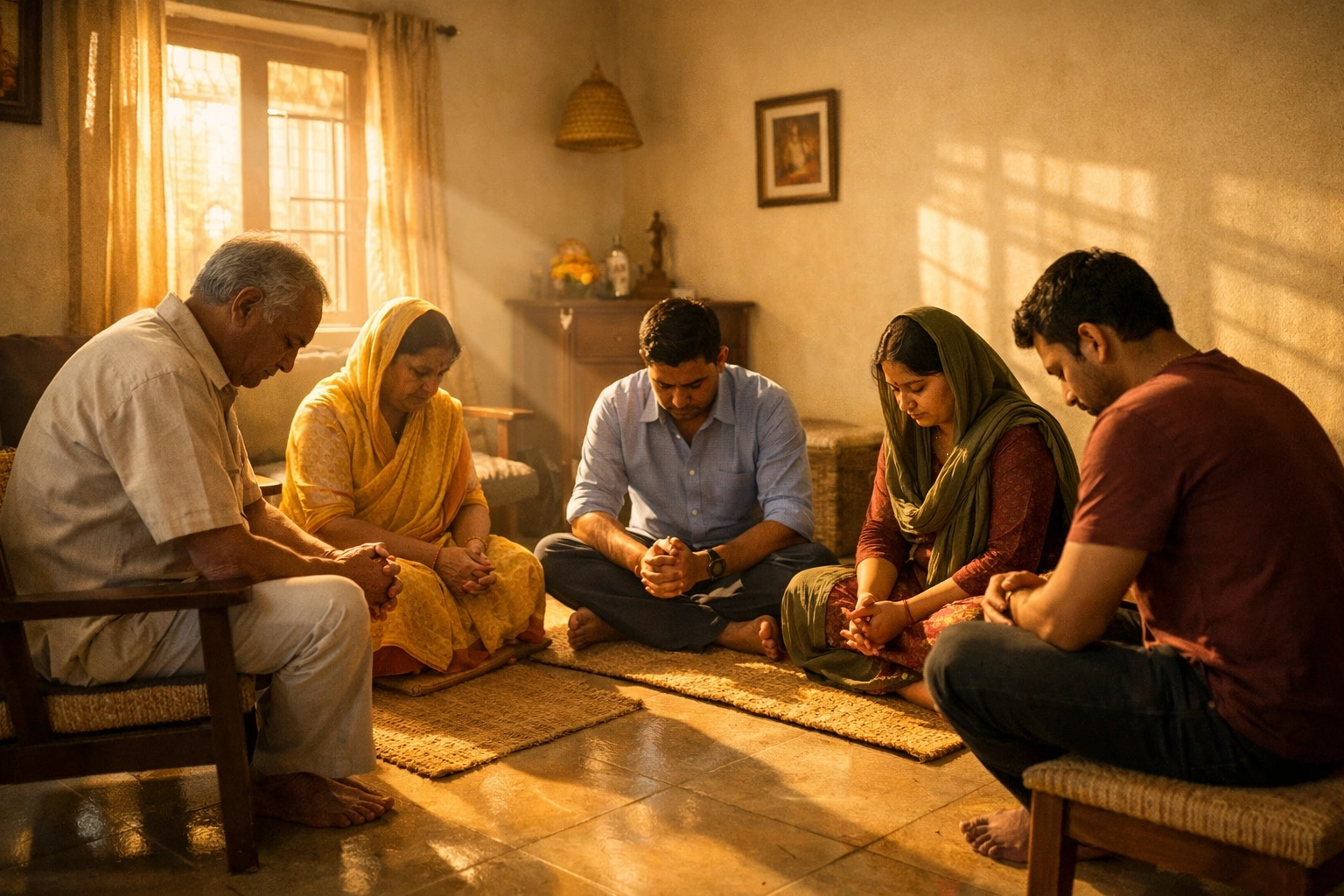
For most of us, the idea of gathering a few friends in our living room to pray or study the Bible seems like a basic right. It is something we do without a second thought. But for millions of believers in India, particularly in the state of Uttar Pradesh, that simple act has often been met with legal hurdles, police intervention, and local opposition.
Recently, however, the air in Uttar Pradesh became a little clearer. In a landmark ruling, the Allahabad High Court has affirmed a fundamental truth: your home is your sanctuary, and you do not need the government's permission to pray in it.
This is a story about the intersection of law, faith, and the quiet power of a community gathered in a private space. At The McReport, we want to look at the facts of this case, understand the legal landscape, and see how this aligns with our calling as followers of Christ.
The Facts: What the Court Decided
On January 27, 2026, the Allahabad High Court issued a directive that has sent ripples of hope through the Christian community in India. The court ruled that no government permission is required to hold prayer meetings on private premises. This applies regardless of the religion being practiced.
The court was very specific in its language. It stated that individuals and organizations are free to organize prayer gatherings within privately owned spaces, which include homes and workplaces. The only time official approval is required is if those gatherings spill out onto public roads or involve public property.
This ruling was a direct response to petitions filed by two Christian organizations: Maranatha Full Gospel Ministries and Emmanuel Grace Charitable Trust. These groups had faced repeated disruptions of their private meetings by local authorities. In some cases, the authorities simply ignored their requests for permission, leaving the believers in a legal limbo. In other cases, meetings were stopped altogether under the guise of maintaining public order.
The court anchored its decision in Article 25 of India’s Constitution. This article guarantees the freedom of conscience and the right to freely profess, practice, and propagate religion. By pointing back to the constitution, the court reminded local officials that religious freedom is not a gift from the state; it is a fundamental right of the citizen.
How It Happened: A Climate of Pressure
To understand why this ruling is such a big deal, you have to look at the environment in Uttar Pradesh. It is India’s most populous state and has been a flashpoint for religious tension for several years.
Since 2014, there have been over 1,300 recorded incidents against Christians in the region. These incidents range from verbal harassment to physical violence. Often, these disruptions are fueled by local vigilante groups who claim that private prayer meetings are actually "illegal conversion centers."
Under this pressure, local police and administrative officials often took the path of least resistance. Instead of protecting the rights of the believers, they would demand that the groups seek formal permission for every small gathering. When that permission was denied or ignored, any subsequent meeting was treated as a violation of the law.
The Uttar Pradesh government eventually had to acknowledge in court that there was no existing law that actually required permission for worship on private property. This admission was the final piece the court needed to dispose of the petitions and clarify the law once and for all.
Balanced Viewpoints: Freedom vs. Regulation
It is important to look at this from a balanced perspective. Why would authorities be concerned about home prayer meetings in the first place?
From the viewpoint of local regulations, authorities often cite "public order" and "communal harmony." In areas with high religious tension, large gatherings: even in private homes: can sometimes draw crowds or protesters, leading to potential conflict. Some local leaders argue that if a house is being used primarily as a place of worship, it should be subject to the same zoning and safety regulations as a public church building.
On the other side, religious freedom advocates argue that these regulations are often used as a tool of discrimination. They point out that "public order" is a vague term that can be weaponized to stop any activity that a vocal minority dislikes. If the law requires permission for every prayer meeting, it essentially gives the government the power to decide who can pray and where.
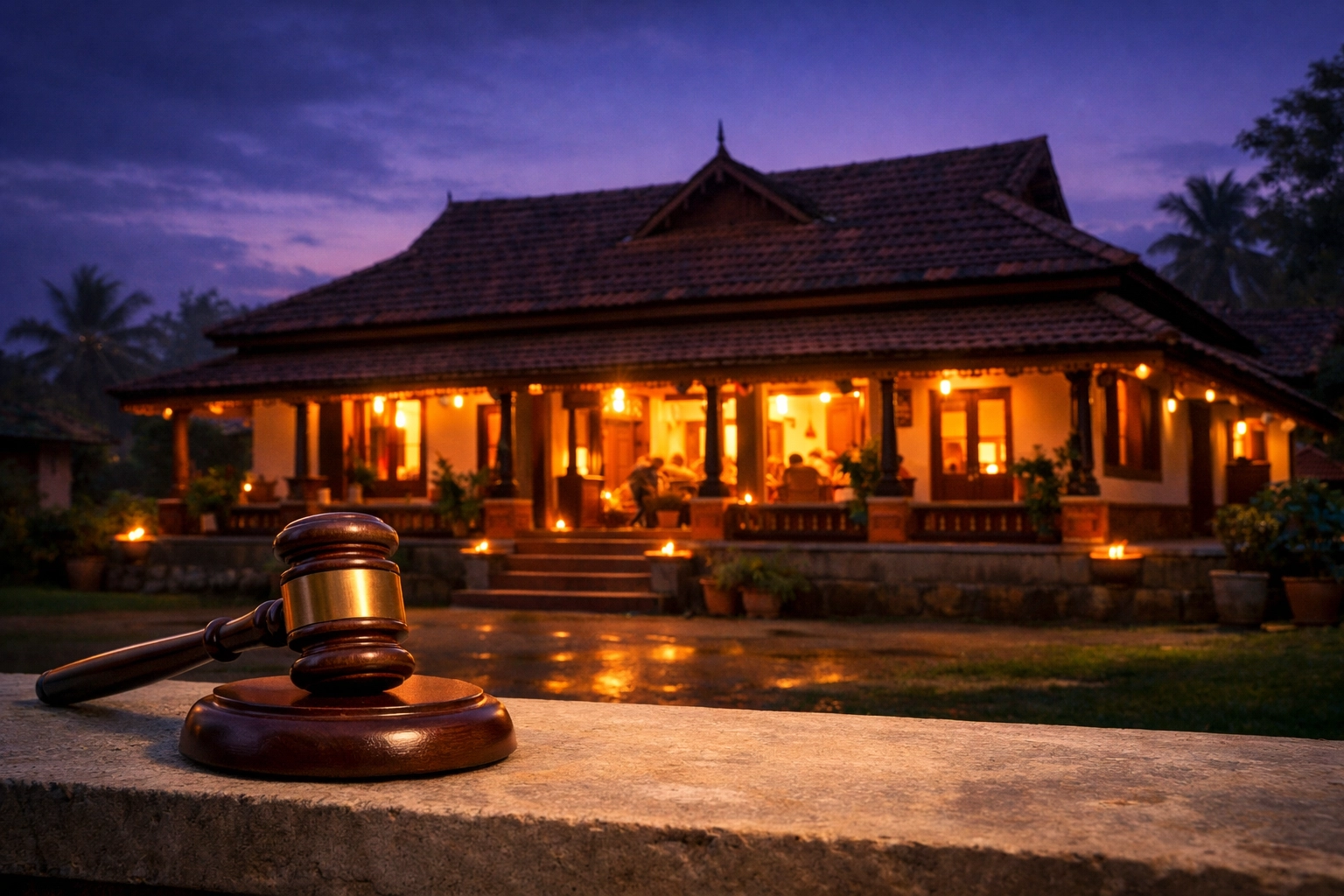
This ruling draws a clear line. It protects the sanctity of private property while acknowledging that the state has a role in managing public spaces. It suggests that as long as you aren't blocking a road or taking over a park, the government has no business in your living room.
The Biblical Lens: The Power of the House Church
For those of us in the Pentecostal and Assemblies of God tradition, this ruling feels deeply familiar. Our movement was largely built on the foundation of small, private gatherings where the Holy Spirit could move freely.
In the book of Acts, we see the early church operating in exactly this way. Acts 2:46 says, "Every day they continued to meet together in the temple courts. They broke bread in their homes and ate together with glad and sincere hearts."
The early believers didn't wait for the Roman Empire to grant them permits to build cathedrals. They met where they lived. They prayed in upper rooms, in workplaces, and by the riverside. There is a specific kind of spiritual intimacy and power that happens when a small group of believers gathers in a home. It is where the "Baptism in the Holy Spirit" often manifests most clearly: not in a formal ceremony, but in a sincere moment of seeking God among friends.
From an AG perspective, we believe in the "Great Commission": the call to share the Gospel with everyone. This ruling in India protects the "practice and propagation" of faith, which is essential for the mission. It allows the church to grow organically, from house to house, just as it did in the first century. It reminds us that the "church" is not a building with a steeple; it is the people gathered, whether they are in a massive auditorium or sitting on a floor in a small village.
Persistent Challenges: A Long Road Ahead
While we celebrate this victory, we have to stay grounded in reality. This ruling is a landmark, but it is not the end of the struggle for our brothers and sisters in India.
Twelve Indian states have enacted "anti-conversion laws." These laws are often written with vague language, using terms like "allurement" or "fraud" to describe the act of sharing one's faith. In many cases, these laws have been used to arrest pastors and laypeople simply for holding a meeting where someone decided to follow Christ.
Even with the High Court ruling, believers still face the threat of vigilante groups. These groups may not care about the legal nuances of the Allahabad High Court; they may continue to harass gatherings, knowing that the legal process to find justice is long and expensive.
The Supreme Court of India is currently reviewing whether these anti-conversion laws violate fundamental constitutional rights. This is the next major legal hurdle. The ruling in Uttar Pradesh is a strong signal, but the national conversation is still ongoing.

Calm Next Steps: Wisdom and Prayer
So, how do we respond to this news? We recommend a "Peace-Up" approach.
First, we pray. We pray for the believers in Uttar Pradesh, that they would use this new legal clarity with wisdom and boldness. We pray for the local authorities, that they would honor the court's decision and protect the rights of all citizens, regardless of their faith.
Second, we stay informed. It is easy to get caught up in "drama-heavy" headlines that only focus on the persecution. While the trials are real, we must also see the victories. God is moving in the legal systems of the world, just as He moves in the hearts of people.
Third, we practice discernment. For those of us in the West, this is a reminder not to take our freedoms for granted. It’s also a call to support global missions: not just through finances, but through advocacy and awareness.
A Hopeful Outlook
The ruling by the Allahabad High Court is a win for common sense and human rights. It affirms that the light of faith cannot be extinguished by red tape. It reminds us that "Freedom in the Home" is a pillar of a healthy society.
As we look at the global landscape, it is easy to feel overwhelmed by the challenges facing the church. But stories like this remind us that truth has a way of rising to the surface. Whether in a grand cathedral or a quiet living room in India, the promise remains: where two or three are gathered in His name, He is there.
If you want to stay updated on stories like this: delivered with a calm, Christ-centered perspective: we invite you to join our community. We are committed to bringing you the truth without the noise.
Share this story today to bring a little hope to someone’s day.
Follow at LayneMcDonald.com for more Christ-centered clarity on today’s biggest questions.
Source: Allahabad High Court Records, Article 25 of the Constitution of India, Maranatha Full Gospel Ministries Legal Briefs.

$50
Product Title
Product Details goes here with the simple product description and more information can be seen by clicking the see more button. Product Details goes here with the simple product description and more information can be seen by clicking the see more button

$50
Product Title
Product Details goes here with the simple product description and more information can be seen by clicking the see more button. Product Details goes here with the simple product description and more information can be seen by clicking the see more button.
$50
Product Title
Product Details goes here with the simple product description and more information can be seen by clicking the see more button. Product Details goes here with the simple product description and more information can be seen by clicking the see more button.
Comments