High-Level Shooting in Moscow: General Alekseyev Hospitalized
- Dr. Layne McDonald
- Feb 8
- 5 min read

The Facts
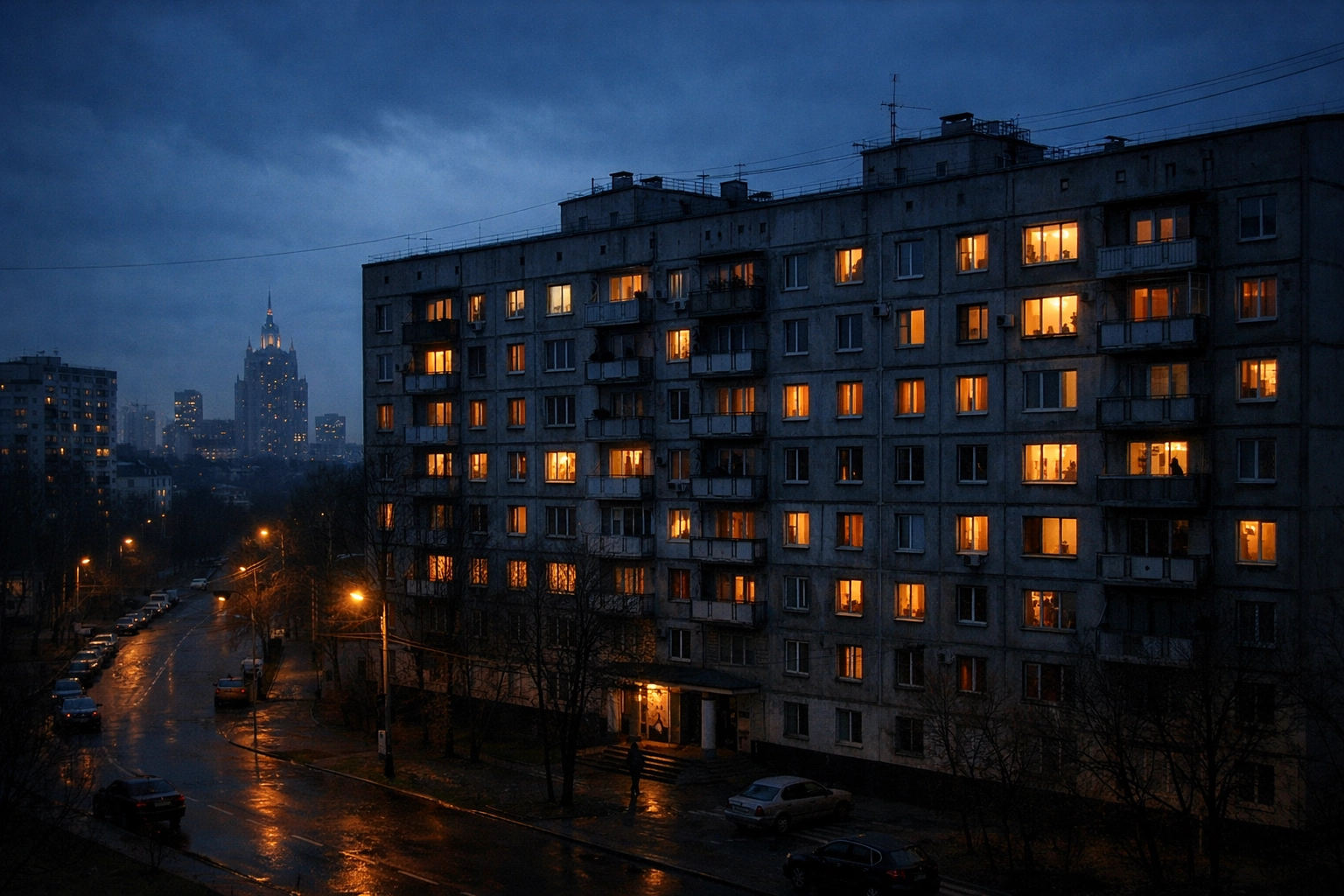
Lieutenant General Vladimir Alekseyev, deputy head of Russia's GRU military intelligence, was shot multiple times at his Moscow apartment building on Friday, February 6, 2026. The 60-year-old officer was struck by several bullets fired by an unidentified assailant and remains hospitalized in serious condition.
Alekseyev has served as deputy chief of the GRU since 2011. He has been sanctioned by the United States, United Kingdom, and European Union for his alleged role in the 2018 poisoning of former Russian spy Sergei Skripal in Salisbury, England: an attack that killed British civilian Dawn Sturgess and severely strained diplomatic relations between Russia and the West.
Russian authorities have opened an attempted murder investigation. Foreign Minister Sergei Lavrov publicly blamed Ukraine for the attack, calling it an assassination attempt aimed at disrupting ongoing peace negotiations. Kremlin spokesman Dmitry Peskov confirmed that Russia's security services are investigating and keeping President Vladimir Putin informed.
The suspect fled the scene immediately after the shooting. No arrests have been made, and Russian investigators have not publicly identified any suspects or motives beyond Lavrov's statement.
How it Happened
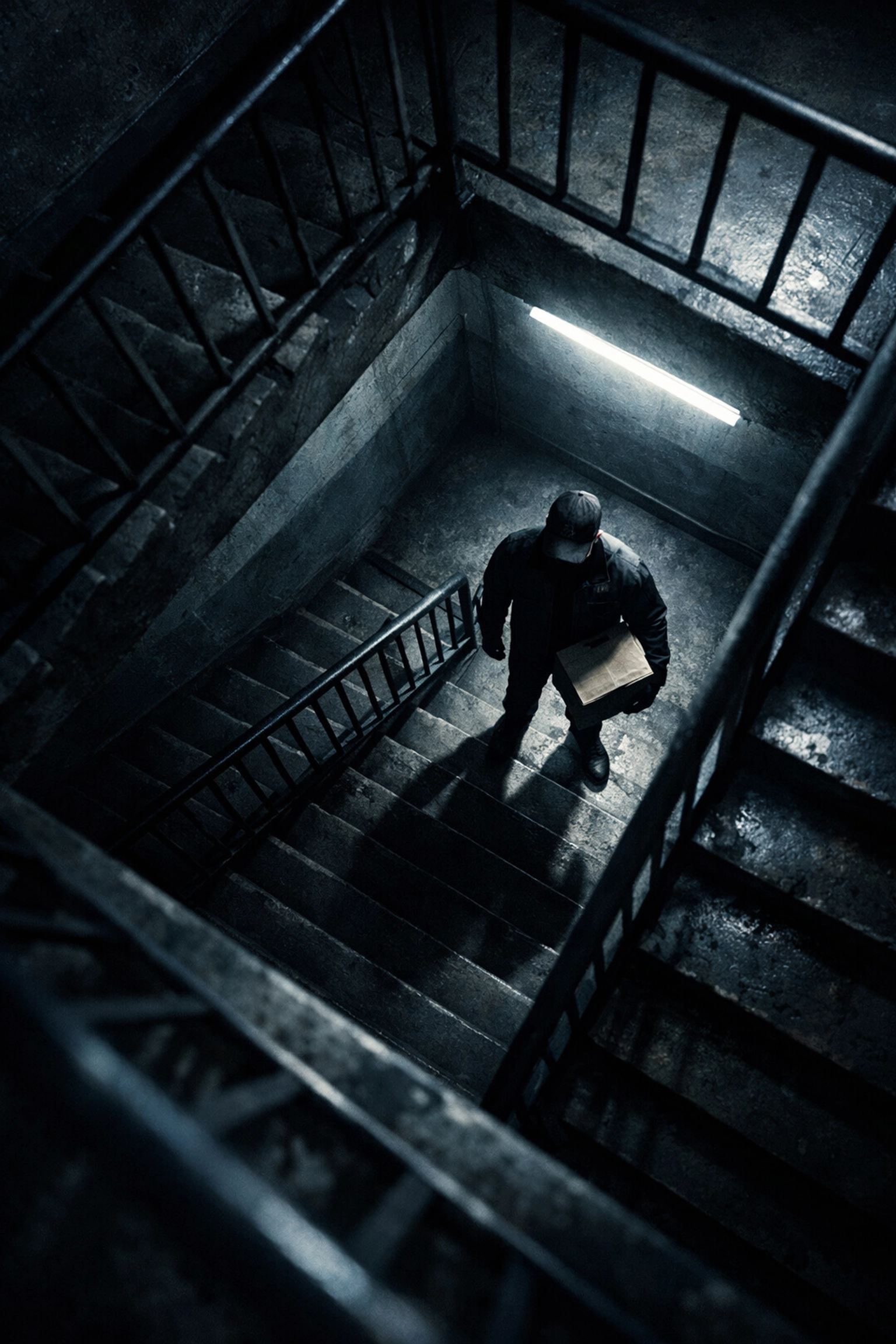
According to Russian law enforcement sources, the shooter reportedly disguised himself as a delivery worker to gain access to Alekseyev's residential building in western Moscow. The assailant opened fire in the stairway as the general returned home, striking him multiple times before escaping.
The attack fits a pattern of targeted strikes against high-ranking Russian military officials. In December 2024, Lieutenant General Igor Kirillov, head of Russia's radiation, chemical, and biological defense forces, was killed by a bomb hidden on an electric scooter outside his Moscow apartment. Ukraine's security service (SBU) claimed responsibility for that attack, calling Kirillov a "war criminal."
In April 2025, Lieutenant General Yaroslav Moskalik was killed when an explosive device detonated in his car. A Russian citizen later pleaded guilty to the attack and told investigators he was paid by Ukraine's intelligence services to carry it out.
During Russia's full-scale invasion of Ukraine, Alekseyev played a diplomatic role during the June 2023 Wagner Group mutiny. He was dispatched to negotiate with Yevgeny Prigozhin, the mercenary leader who briefly led an armed rebellion against Russian military leadership before his death in a mysterious plane crash that August.
Where We Are Now
Russian officials are treating the shooting as an attempted assassination tied to geopolitical conflict. Foreign Minister Lavrov's immediate accusation against Ukraine signals Moscow's interpretation of the attack as part of a broader covert campaign targeting military leadership.
Ukraine's government has not commented on the Alekseyev shooting as of this writing. While Kyiv has claimed responsibility for some previous attacks on Russian military figures: arguing that commanders overseeing strikes on Ukrainian civilians are legitimate military targets: Ukrainian officials typically remain silent or deny involvement in other incidents.
International observers are watching closely for signs of escalation or internal instability within Russia's security establishment. The repeated targeting of GRU and military leadership raises questions about intelligence failures, internal security vulnerabilities, or possible fractures within Russia's power structures.
President Putin has been briefed on the investigation, according to Kremlin officials, who expressed hope for Alekseyev's recovery while vowing to find those responsible.
The Conversation
Security analysts are divided on what this attack signals.
Some experts point to external operations, arguing that Ukraine: or other actors opposed to Russia's military activities: are executing a calculated strategy to eliminate commanders responsible for directing military operations and alleged war crimes. From this perspective, targeted strikes against military leadership are viewed as legitimate wartime tactics aimed at degrading Russia's command-and-control capabilities.
Others see signs of internal power struggles within Russia's intelligence and military apparatus. The GRU has historically operated as an independent power center, sometimes in tension with other security agencies like the FSB. Some analysts suggest the attack could reflect settling of scores, turf battles, or retaliation for perceived failures or betrayals within the security establishment.
A third group worries this incident: regardless of who is responsible: will trigger a new wave of domestic crackdowns inside Russia, further tightening state control and potentially escalating the conflict with Ukraine. Historically, attacks or perceived threats to Russian leadership have been followed by harsher internal security measures and more aggressive military posturing.
All sides agree on one point: whether the shooter was a foreign operative, a domestic actor, or something else entirely, the fact that a senior intelligence official was shot in broad daylight in Moscow represents a significant security breach and a dangerous moment of instability.
The Biblical Center
I'm Dr. Layne McDonald, and this news is heavy and violent. When I read about a high-ranking officer shot in his own apartment building, my first instinct isn't to pick a side or assign blame: it's to grieve.
Violence, whether it unfolds in Moscow or on our own streets, grieves the heart of God. We serve a Savior who wept over Jerusalem, who told Peter to put away his sword, and who taught us that those who live by violence will ultimately perish by it.
The Apostle Paul gave us clear instruction in 1 Timothy 2:1-2: "I urge, then, first of all, that petitions, prayers, intercession and thanksgiving be made for all people: for kings and all those in authority, that we may live peaceful and quiet lives in all godliness and holiness."
Notice Paul didn't say, "Pray only for the leaders you agree with" or "Pray only for the side you think is right." He said pray for all those in authority. That includes presidents and generals, diplomats and intelligence chiefs: even those we find morally troubling or politically opposed to our values.
Why? Because our ultimate hope is not in military strength, intelligence agencies, or geopolitical maneuvering. Our hope is in the Prince of Peace, the One who will one day make all things new.
When Jesus returns, there will be no more GRU or FSB, no more covert operations or assassination attempts. There will be justice, mercy, and shalom: the wholeness and peace that only God can bring. Until that day, we are called to be agents of that coming peace, praying even for our enemies and refusing to let the world's violence shape our hearts into bitterness or tribalism.

Finding Peace
So what do we do when news like this breaks? How do we respond as people who follow Jesus?
First, don't let it feed your anxiety. The 24-hour news cycle thrives on fear and outrage. You can stay informed without letting violence dominate your emotional state. Turn off the notifications. Limit your scrolling. Choose peace over panic.
Second, use it as a prompt to pray. When you hear about a shooting in Moscow, a bombing in the Middle East, or violence anywhere in the world, pause and pray. Pray for the protection of innocent people caught in the crossfire of power. Pray for wisdom for those making life-and-death decisions. Pray for the families grieving violence they didn't choose.
Third, remember that our citizenship is in heaven. We can care deeply about earthly politics and security without placing our ultimate trust in any nation, military, or intelligence agency. Our allegiance belongs to a kingdom that cannot be shaken.
Finally, be a peacemaker where you are. You may not be able to stop assassinations in Moscow or negotiate peace treaties in conflict zones, but you can choose reconciliation over retaliation in your own relationships. You can refuse to demonize entire nations or groups of people. You can model the way of Jesus in your workplace, your neighborhood, and your home.
The world needs more people who believe that violence is not the final answer: that mercy triumphs over judgment, and that the Prince of Peace is still on the throne.
Source: Reuters, AP, TASS (Russian state media), BBC News
Sonny-Ready Caption Block:
Breaking: High-level shooting in Moscow. 📰 In a world that feels increasingly volatile, how do we keep our peace? Dr. Layne McDonald reframes the latest headlines through a lens of prayer and biblical clarity. Stay steady: www.laynemcdonald.com #MoscowNews #WorldEvents #ChristianResponse #PrinceOfPeace
Comments