Home Sweet Sanctuary: Indian Court Protects the Right to Pray Privately
- Dr. Layne McDonald
- Mar 10
- 5 min read

There is something deeply personal about the four walls of a home. It is the place where we kick off our shoes, share meals with family, and find rest from the noise of the world. For many of us, it is also our most sacred space: the place where we talk to God in the quiet of the morning or gather with a few friends to seek His presence.
In India’s most populous state, Uttar Pradesh, that simple act of gathering for prayer has often been met with hurdles and fear. But recently, a significant legal decision has cleared the air, reminding us all that the right to worship isn't just for big buildings; it belongs in our living rooms, too.
The Facts: A Victory for Private Worship
The Allahabad High Court recently issued a landmark ruling that brings a sigh of relief to millions. The court stated clearly that no government permission is required to hold religious prayer meetings within private premises.
This decision came after two Christian organizations: Maranatha Full Gospel Ministries and Emmanuel Grace Charitable Trust: filed petitions. They had been facing consistent obstructions from local authorities in Uttar Pradesh. Officials had been using "law and order" concerns to stop people from gathering in homes or private halls to pray.
The court’s ruling, handed down by a division bench comprising Justices Atul Sreedharan and Siddharth Nandan, was grounded in Article 25 of the Indian Constitution. This specific article guarantees the freedom of conscience and the right to freely profess, practice, and propagate religion.
The judges were direct: individuals and organizations are free to organize prayer meetings within privately owned spaces, including homes and workplaces. This applies regardless of religious affiliation. You don't need to ask the government for a permit to talk to God in your own house.
However, the ruling did establish a clear boundary for the sake of the community. Official permission and notification to the police are still required if the gatherings spill out onto public roads or public property. This is a common-sense approach that balances individual freedom with public logistics.
The court also noted that while the state can provide security if a group asks for it, authorities cannot use "security concerns" as a way to stop a private meeting from happening in the first place.
The Context: Why This Matters Now
To understand why this is such a big deal, we have to look at the atmosphere in Uttar Pradesh over the last few years. The state has seen a significant rise in the scrutiny of minority religious practices.
Under local anti-conversion laws, Christian and Muslim communities have frequently reported harassment. Prayer meetings: even small ones: were often interrupted by local activists or police claiming that "illegal conversions" were taking place or that the gathering was a threat to public peace.
In many cases, believers were told they couldn't pray together unless they had a formal permit from the District Magistrate. For a small house church or a family prayer circle, getting that kind of paperwork is nearly impossible. It became a way to silence worship without officially banning it.
The High Court’s ruling provides judicial clarity. It cuts through the red tape and confirms that the law of the land protects the sanctuary of the home. Even the Uttar Pradesh government eventually acknowledged in court that there is no legal requirement to seek permission for private religious worship. This admission, paired with the court's order, creates a much-needed shield for the Christian community and other minorities in the region.
The Biblical Lens: The Church in the House
As we look at this through the lens of our faith, specifically within the Assemblies of God tradition, we are reminded that the Church has never been about bricks and mortar.
In the book of Acts, we see the early church flourishing in the most "un-churchy" places. Acts 12:12 tells us about a moment when Peter was released from prison: "When this had dawned on him, he went to the house of Mary the mother of John, also called Mark, where many people had gathered and were praying."

The early believers didn't have cathedrals or steeples. They had living rooms. They had courtyards. They had shared meals around a table. They understood a fundamental truth that we still hold dear today: God’s presence is not confined to a specific building.
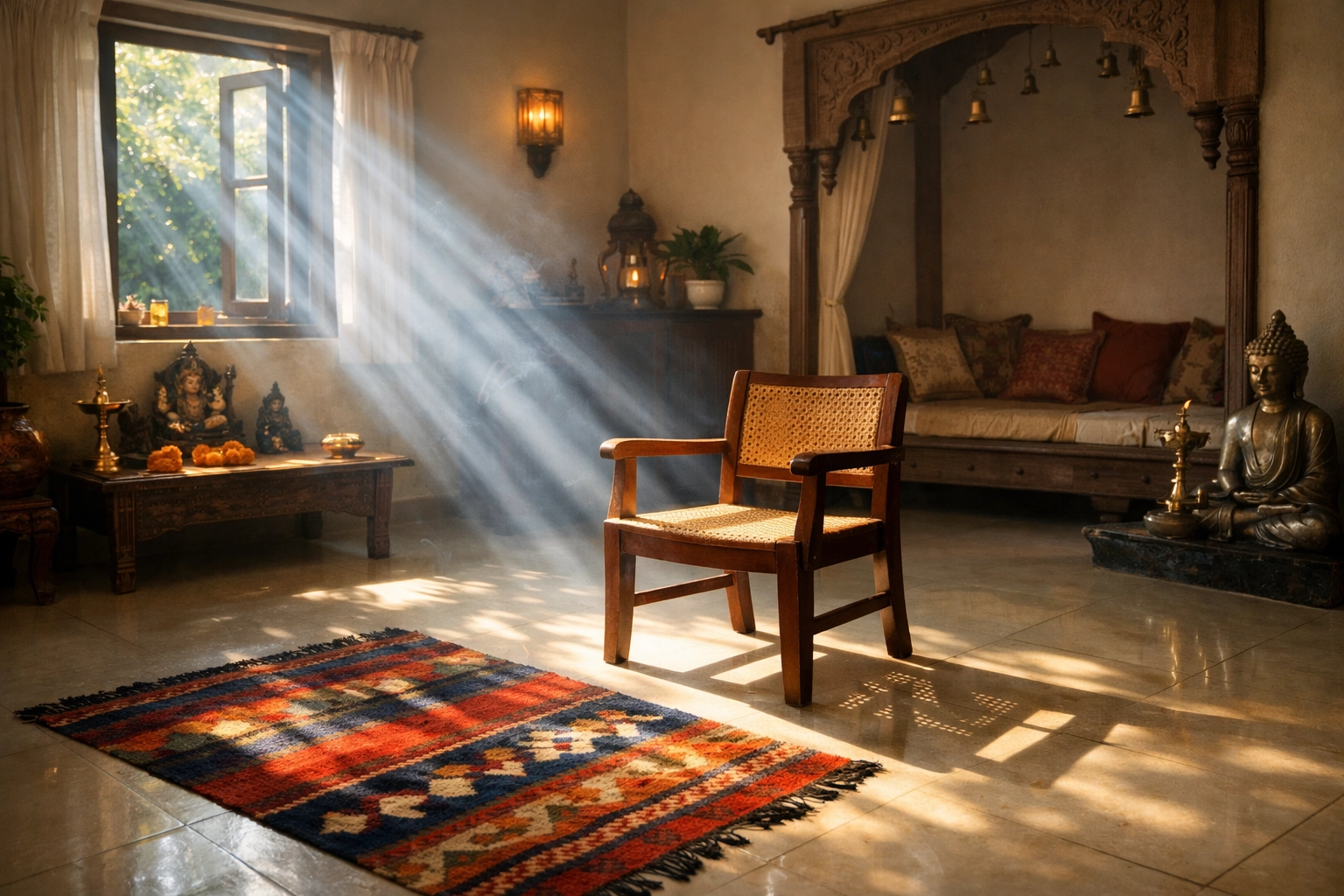
We believe in the power of the Holy Spirit to move wherever two or three are gathered in His name. Whether it is a massive stadium or a small sunlit room in a village in India, the altar is wherever a heart is open to God.
In the Assemblies of God, we place a high value on the "priesthood of all believers." This means every believer has direct access to God and every home can be a house of prayer. When the law protects the right to pray privately, it is protecting the very way the Gospel first spread across the nations.
It’s a reminder that our faith is lived out in the daily, the private, and the personal. The home is the first place where we teach our children about Jesus, where we pray for the sick, and where we find the strength to face the world.
Differing Viewpoints
While religious liberty advocates are celebrating this as a restoration of fundamental rights, it is important to acknowledge the other side of the conversation.
Some local authorities and community leaders emphasize the need for "monitoring." Their argument is usually centered on public order. They worry that large, unregulated gatherings: even on private property: could lead to communal tensions or be used as a cover for activities that violate local laws.
In their view, the government has a responsibility to know what is happening within its borders to prevent conflict. They see the requirement for permission as a safety measure rather than a restriction of faith.
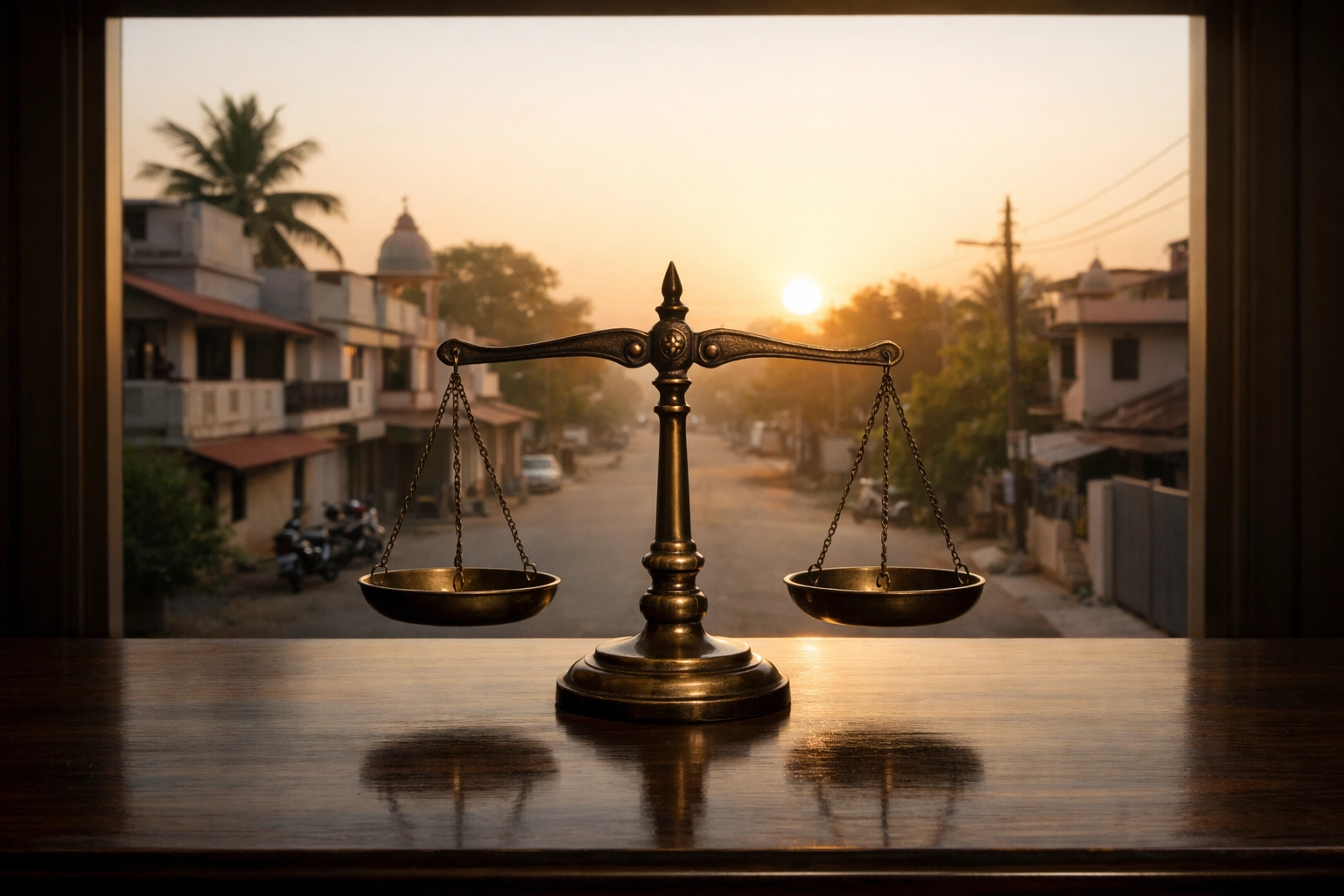
However, the court’s decision strikes a steady balance. By requiring permits for public spaces but protecting private ones, it respects the state’s duty to keep order without stepping on the toes of individual conscience. It affirms that "public order" cannot be used as a blanket excuse to strip away constitutional freedoms.
A Calm Response: How We Move Forward
So, how do we respond to news like this? We respond with gratitude and with focused prayer.
First, we can be thankful for a legal system that recognizes the value of religious freedom. It is a win for everyone: not just Christians: when a court upholds the right to follow one's conscience in private.
Second, we must remain wise. For our brothers and sisters in India, this ruling is a tool, but the environment remains complex. We pray that they would walk in wisdom and "asps and doves" (Matthew 10:16), being mindful of their neighbors while being bold in their faith.
Here is our calm next step:
Pray for the believers in Uttar Pradesh. Pray that their homes would truly be beacons of light in their communities. Pray that the peace of God, which transcends all understanding, would guard their hearts and their houses. Pray for the local authorities as well: that they would have a spirit of fairness and a desire to protect all citizens equally.
We believe that when a home is filled with prayer, it changes the atmosphere of the entire neighborhood. Let’s stand with those who are opening their doors to the Lord, knowing that the "Home Sweet Sanctuary" is one of the most powerful places on earth.
Community and Support
If you are looking for more Christ-centered clarity on today’s biggest questions, or if you simply want to stay updated on how faith is intersecting with global events, we invite you to stay connected with us.
The world can feel loud and chaotic, but we are committed to bringing you the truth without cruelty and conviction without contempt. We are all part of a larger spiritual family, and your voice matters here.
Follow for more Christ-centered clarity on today’s biggest questions at LayneMcDonald.com.
Need prayers? Text us day or night at 1-901-213-7341.
Source: The Hindustan Times, Christian Solidarity Worldwide, Times of India.

$50
Product Title
Product Details goes here with the simple product description and more information can be seen by clicking the see more button. Product Details goes here with the simple product description and more information can be seen by clicking the see more button

$50
Product Title
Product Details goes here with the simple product description and more information can be seen by clicking the see more button. Product Details goes here with the simple product description and more information can be seen by clicking the see more button.
$50
Product Title
Product Details goes here with the simple product description and more information can be seen by clicking the see more button. Product Details goes here with the simple product description and more information can be seen by clicking the see more button.
Comments