

The Proven Framework for Building Trust Between Pastors and Church Staff
- Layne McDonald
- 3 hours ago
- 4 min read

Trust doesn't break overnight, but when it does, everyone feels it.
You've probably seen it: a staff member who suddenly becomes distant. Meetings that feel tense. Team members who nod in agreement but never actually engage. These aren't just personality clashes. They're symptoms of something deeper, a breakdown in trust that can slowly poison even the healthiest church culture.
Here's the good news: trust can be rebuilt. But it takes more than good intentions and an occasional team lunch. It requires a proven framework that addresses the real issues head-on.
The Three Foundations: Where Trust Actually Begins
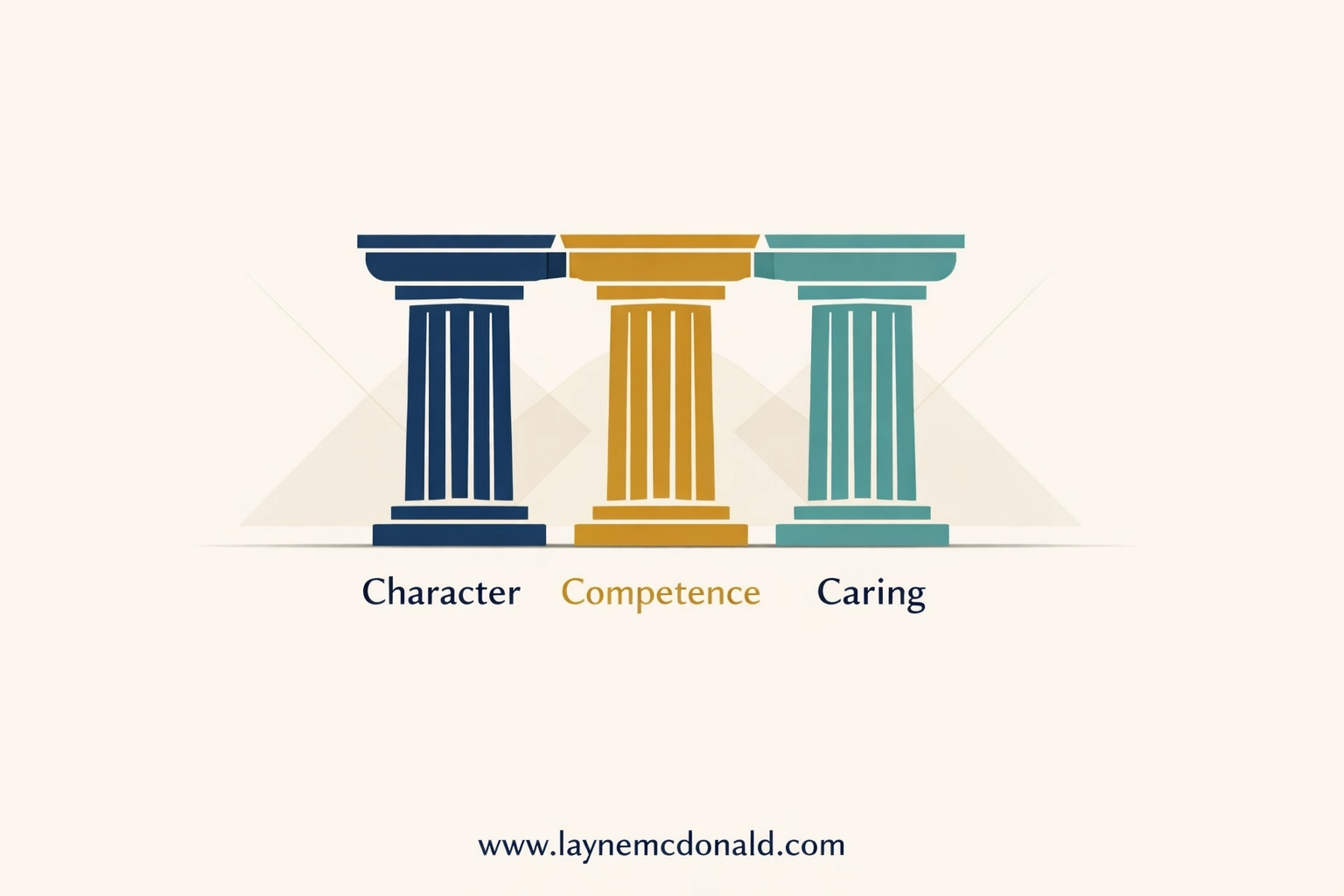
Before diving into tactics, let's talk about the foundation. Trust between pastors and church staff rests on three non-negotiables:
Character – Are you trustworthy? Can people count on you to do what you say you'll do? This isn't about being perfect. It's about being consistent, keeping confidences, and owning your mistakes when you mess up.
Competence – Do you actually know how to lead? Can you execute the vision you're casting? Staff members need to believe their leader has the skill and wisdom to guide the ship, not just the title.
Caring – Do you genuinely have their best interests at heart? This is where a lot of leaders stumble. You might be trustworthy and skilled, but if your team thinks you only care about metrics and outcomes, trust will never fully take root.
These three pillars, character, competence, and caring, are the bedrock. Without them, no amount of strategic planning or team-building exercises will move the needle.
Building the Framework: Seven Practical Trust-Builders
Now let's get practical. Here are seven concrete ways to develop and maintain trust with your church staff.
1. Schedule Regular One-on-One Meetings
This isn't optional. If you oversee staff members, you need to meet with them regularly, ideally once a month. These aren't performance reviews or task lists. They're quality time to:
Review annual goals together
Address problems before they fester
Share personal concerns confidentially
Pray and bless one another
An open-door policy is great, but scheduled time is essential. It tells your team, "You matter enough for me to block this time off."
2. Cast and Communicate Clear Vision
Your staff needs to know where the church is going, and how their role fits into that mission. Healthy teams can answer three questions without hesitation:
Who are we?
How did we get here?
Where are we going?
When everyone's working from the same map, trust grows. When the vision is fuzzy or changes every quarter, distrust festers. Keep your mission, vision, and goals clear and consistent.

3. Run Effective, Transparent Staff Meetings
Staff meetings shouldn't just be information dumps. They should be spaces where:
Prayer happens together (this is huge for ministry teams)
Agendas are clear and followed
Leadership is rotated to flatten hierarchies
Confidentiality is maintained strictly
Constructive disagreement is welcomed
Staff milestones are celebrated
The moment staff meetings become places where people are afraid to speak up or share honestly, trust starts eroding.
4. Communicate Honestly, Even When It's Hard
Nothing kills trust faster than dishonesty or half-truths. Your team needs straight talk, not corporate-speak. That includes:
Sharing both positive and negative feelings appropriately
Being emotionally honest without dumping
Keeping confidential information private
Admitting when you don't have all the answers
Honesty doesn't mean being harsh. It means being real.

5. Invest in Relationships Consistently
Trust isn't built in staff meetings alone. It's built over coffee, at birthday celebrations, and in those moments when you show up for what matters to your team. Simple things like:
Remembering birthdays and anniversaries
Celebrating personal milestones
Asking about their families
Attending each other's ministry events
When staff members feel like you genuinely care about their lives, not just their productivity, trust deepens.
6. Create Fair Personnel Policies
Here's an uncomfortable truth: disparities in compensation, benefits, and treatment create rampant distrust. If peer staff members have wildly different benefit packages or if favoritism is obvious, your team will notice.
Fair doesn't always mean identical, but it does mean equitable. Take the time to develop consistent policies and communicate why differences exist when they do.
7. Empower Your Team to Lead
Trust is a two-way street. You want your staff to trust you, but do they know you trust them? One of the best ways to show trust is to share leadership responsibilities and actually let people lead.
Yes, you might be able to do it faster or "better." But when you empower your team to accomplish tasks without micromanaging, you're saying, "I believe in you." That kind of trust breeds reciprocal trust.

When Trust Is Broken: The Long Road Back
Let's be honest, sometimes trust doesn't just weaken. It shatters. Maybe there was a conflict that went sideways. Maybe confidentiality was breached. Maybe someone felt deeply betrayed.
Rebuilding trust after a breach takes time. It requires:
Patience (trust is rebuilt slowly, not overnight)
Honesty about what went wrong
Vulnerability from both sides
A willingness to ask for help and extend grace
Trust is built through consistency over time. And yes, it can be broken quickly. But that doesn't mean it's irreparable. With intentionality, humility, and a commitment to the framework above, even damaged trust can be restored.
Takeaway / Next Step
If you're a pastor or church leader, start here: pick one area from the framework above and commit to improving it this month. Maybe it's scheduling those one-on-ones you've been avoiding. Maybe it's being more honest in your communication. Maybe it's celebrating a staff member's win you almost overlooked.
Trust isn't built with grand gestures. It's built one conversation, one meeting, one kept promise at a time. Your staff is watching: not to catch you failing, but to see if you're the kind of leader they can follow with confidence.
Want to dive deeper into leadership, church culture, and practical ministry wisdom? I'd love to connect with you. Feel free to reach out to me on the site at laynemcdonald.com or check out Boundless Online Church for more resources. Also, simply browsing the site helps support families in need through ad revenue at no cost to you. If this post was helpful, share it with a pastor or church leader who needs to hear it today.

$50
Product Title
Product Details goes here with the simple product description and more information can be seen by clicking the see more button. Product Details goes here with the simple product description and more information can be seen by clicking the see more button

$50
Product Title
Product Details goes here with the simple product description and more information can be seen by clicking the see more button. Product Details goes here with the simple product description and more information can be seen by clicking the see more button.
$50
Product Title
Product Details goes here with the simple product description and more information can be seen by clicking the see more button. Product Details goes here with the simple product description and more information can be seen by clicking the see more button.
Comments