Mosque bombing in Pakistan capital kills at least 31 people
- Dr. Layne McDonald
- Feb 6
- 6 min read

Scripture (anchor):"Blessed are the peacemakers, for they shall be called sons of God." (Matthew 5:9)
What happened
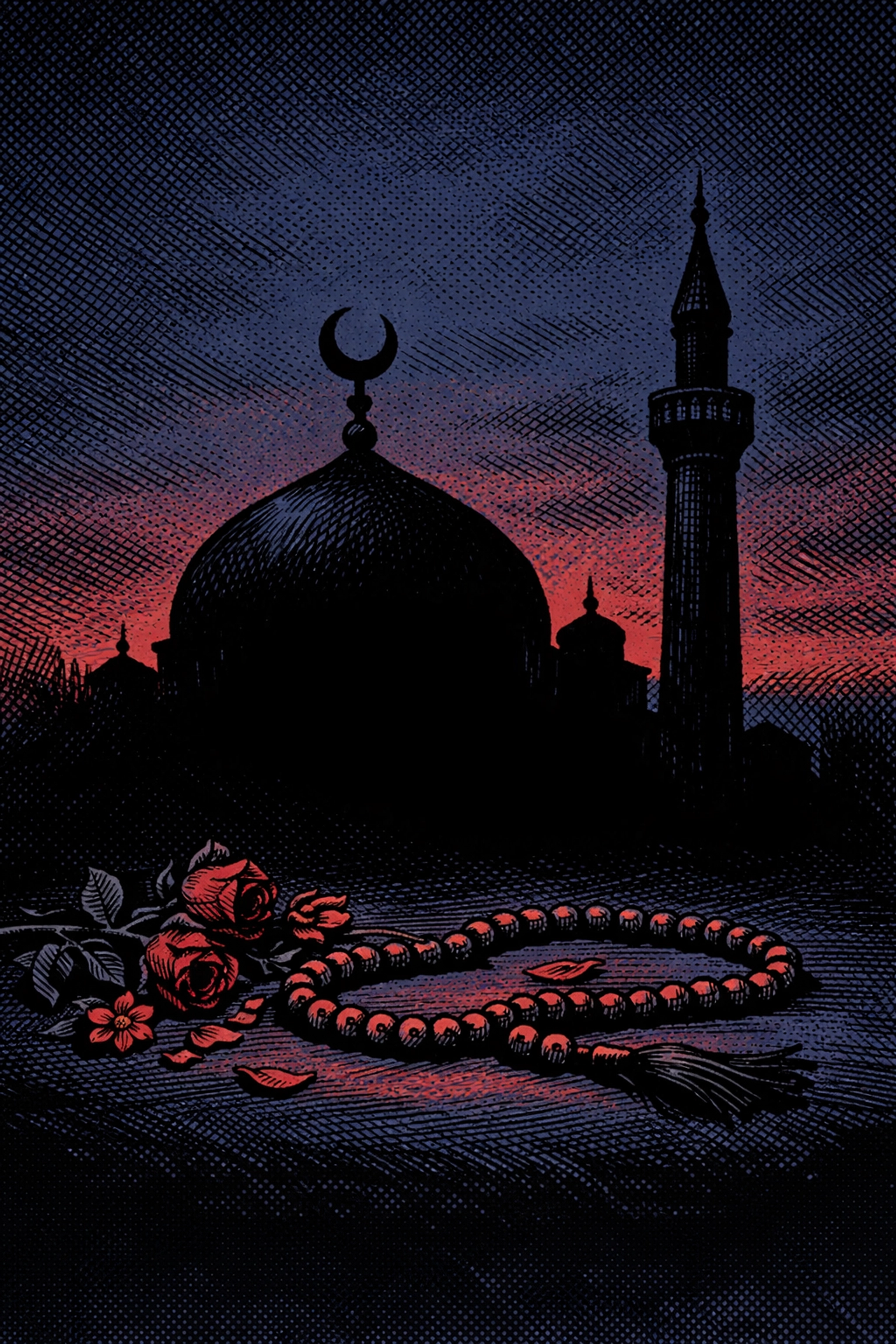
An explosion struck a Shia mosque on the outskirts of Islamabad during Friday prayers on February 6, killing at least 31 people and injuring more than 160, according to Pakistani officials.
The attack occurred at the Khadija Tul Kubra Mosque in the Tarlai Kalan area. Police reported that a gunman opened fire at the mosque's gates before detonating explosives inside or near the building. Defence Minister Khawaja Asif said the attacker detonated explosives "in the last row of worshippers."
Security guards confronted the bomber at the mosque's entrance. The attacker opened fire before triggering the explosion, causing significant structural damage and scattering debris across the area.
More than 160 people were injured. Some injured people remained in critical condition, and officials warned the death toll could rise.
No group immediately claimed responsibility for the bombing. Preliminary investigations reportedly pointed to the Tehrik-i-Taliban Pakistan (TTP) or Islamic State Khorasan Province (IS-K) as potential suspects, though no confirmation was available at the time of reporting.
The incident has been described as the deadliest mosque attack in Islamabad in over a decade.
A state of emergency was declared in the capital. Hospitals appealed for blood donations to treat the injured.
Pakistani Prime Minister Shehbaz Sharif and Foreign Minister Ishaq Dar condemned the bombing as a "cowardly act of terrorism" and vowed to hold perpetrators accountable.
International condemnation came from United Nations Secretary-General António Guterres, Iran, India, the United States, the United Kingdom, and the European Union.
Why it matters
This attack represents the deadliest strike on a place of worship in Pakistan's capital in more than ten years. It arrives at a time when Pakistan continues to grapple with militant violence targeting minority religious communities and civilian spaces.
The bombing occurred during Friday prayers, a moment of communal worship and vulnerability. Worshippers gathered in peace were met with violence. Families lost fathers, sons, brothers, and friends. Communities that already face sectarian tension now carry fresh grief and fear.
The attack also raises immediate security questions: How did the attacker reach the mosque? What gaps exist in protection for minority worship spaces? How will authorities prevent similar strikes?
For Pakistan's Shia Muslim community, a religious minority that has been targeted repeatedly in past years, this bombing reinforces a painful reality: gathering for prayer can mean risking one's life. For the broader society, it raises urgent questions about safety, justice, and how communities can hold space for both mourning and restraint.
Internationally, the attack draws attention to Pakistan's ongoing struggle with militant groups, the fragility of peace in the region, and the human cost of extremism.
What different sides are saying
Security and government perspective: Pakistani officials focused on investigation, accountability, and medical response. Prime Minister Shehbaz Sharif condemned the attack as a "cowardly act of terrorism" and pledged to bring perpetrators to justice. Defence Minister Khawaja Asif provided details about the attacker's method. The state declared an emergency and mobilized hospitals. The government's statements emphasized resolve and the need for national unity against terror.
Minority community and human rights perspective: For Shia Muslims and other minority groups in Pakistan, this attack is part of a longer pattern of targeted violence. Advocates for minority rights have long called for stronger protections, better intelligence sharing, and accountability for past attacks. Community members now face the dual burden of grief and the fear that another attack could follow. Many express frustration that promises of protection have not prevented repeated tragedies.
International perspective: Global leaders and organizations condemned the bombing. The United Nations, United States, United Kingdom, European Union, and neighboring countries expressed solidarity with Pakistan and called for accountability. International observers noted the attack's timing and location, its impact on an already vulnerable community, and the broader challenge of combating extremism in the region.
Religious and interfaith perspective: Religious leaders across traditions have condemned the attack as a violation of sacred space and human dignity. Interfaith voices emphasize that no interpretation of faith justifies violence against worshippers. Many called for prayers, practical support for victims' families, and efforts to prevent retaliatory violence or further division.
Biblical lens
Scripture does not shy away from the reality of violence, injustice, and grief. The Psalms overflow with cries of lament. The prophets spoke truth to power. Jesus wept at the tomb of Lazarus and overturned tables in righteous anger at exploitation in the temple courts.
But Scripture also calls us to something deeper than despair or retaliation.
"The Lord is near to the brokenhearted and saves the crushed in spirit." (Psalm 34:18)
God does not ignore suffering. He draws near to it. In a world where bombs shatter sanctuaries and worshippers become victims, the Gospel reminds us that God sees, God grieves, and God does not abandon His people.
"Do not be overcome by evil, but overcome evil with good." (Romans 12:21)
This is not a call to passivity. It is a call to active, costly love. It is a refusal to let hatred have the final word. It is the decision to honor the dead by protecting the living, to meet violence with justice (not revenge), and to build peace even when peace feels impossible.
"He has told you, O man, what is good; and what does the Lord require of you but to do justice, and to love kindness, and to walk humbly with your God?" (Micah 6:8)
Justice for the victims. Kindness toward the grieving. Humility before the mystery of suffering. These are not sentimental gestures, they are anchors in the storm.
Christian response
If you are a follower of Jesus, this moment calls for specific, grounded action.
First, pray. Pray for the families who lost loved ones. Pray for the injured still fighting for their lives. Pray for the first responders, medical teams, and community leaders. Pray for restraint, wisdom, and protection against retaliatory cycles. Pray for the perpetrators, yes, even them: that God would bring conviction, repentance, and transformation. Pray for Pakistan's leaders as they navigate investigation and response.
Second, give if you can. Credible relief organizations are mobilizing to support victims' families and the injured. Blood banks issued urgent appeals. If you have the means, give practically and sacrificially. Do not let compassion stop at emotion.
Third, resist fear and hatred. This attack was designed to spread terror, deepen division, and provoke retaliation. Do not give the attackers what they want. Refuse to reduce an entire faith, ethnicity, or region to the actions of violent extremists. Speak truth, but speak it with grace. Defend the vulnerable without demonizing entire communities.
Fourth, advocate for protection. Use your voice to call for stronger security measures for vulnerable worship spaces, better intelligence cooperation, and accountability for those who enable or ignore threats. Advocacy is not unspiritual: it is a form of neighbor-love.
Fifth, check your own heart. Are you doom-scrolling? Are you feeding anger? Are you using this tragedy to fuel tribal narratives or political point-scoring? Stop. Step back. Return to your center. The Gospel does not call us to be passive, but it does call us to be anchored in love, not rage.
"Let all bitterness and wrath and anger and clamor and slander be put away from you, along with all malice. Be kind to one another, tenderhearted, forgiving one another, as God in Christ forgave you." (Ephesians 4:31–32)
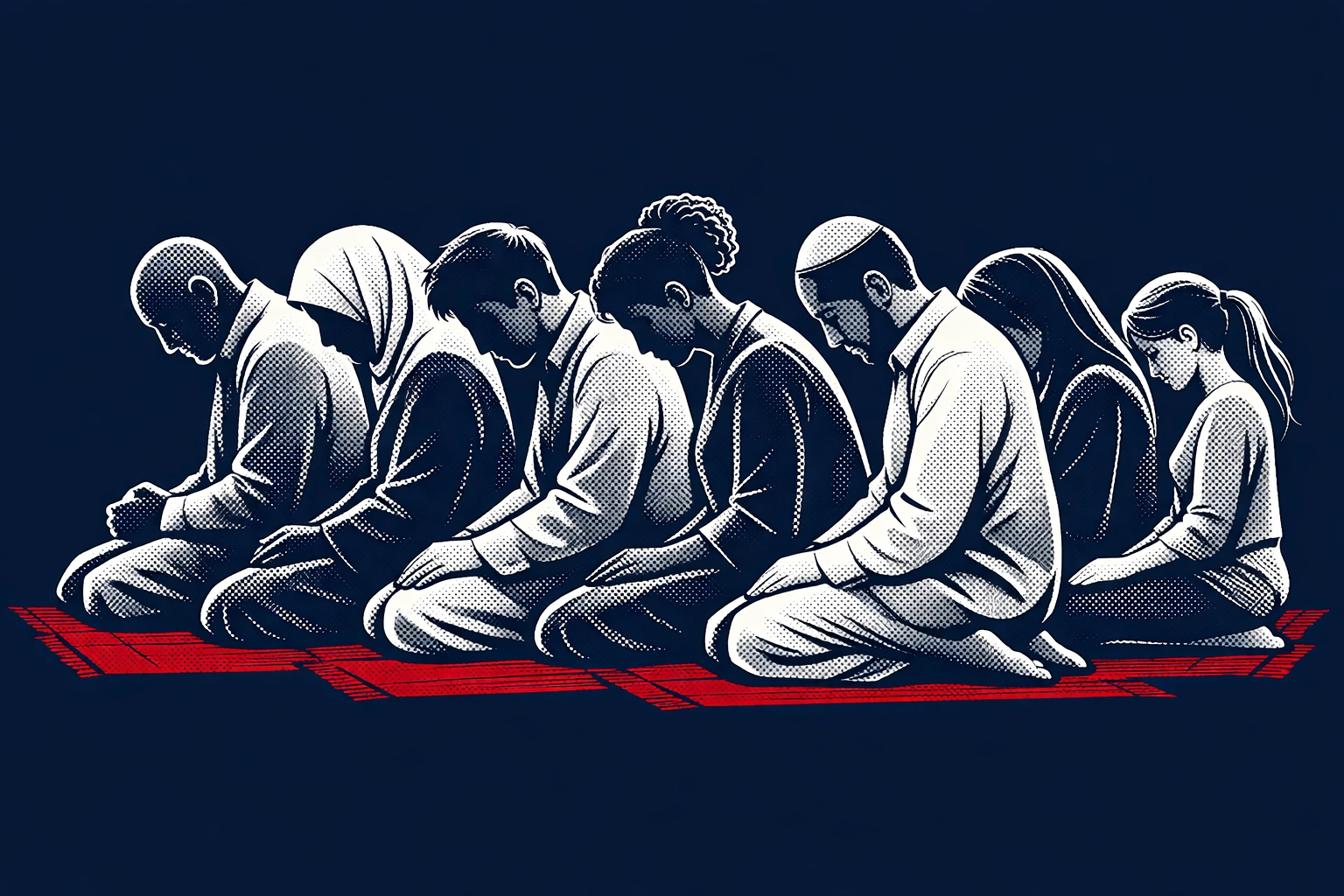
A prayer
Father,
We come to You with heavy hearts. We do not understand why worshippers were met with violence. We do not know how to hold this grief. But we know You are near to the brokenhearted.
Comfort the families who lost loved ones. Surround them with Your presence and Your people. Heal the injured. Give skill and endurance to medical teams. Protect communities from fear and from retaliation.
Bring justice. Expose those who planned and enabled this attack. Convict hearts. Transform lives. Prevent future violence.
Give wisdom to Pakistan's leaders. Protect minority communities. Strengthen peacemakers. Guard the vulnerable.
And Lord, search our own hearts. Remove bitterness, fear, and hatred. Replace them with courage, compassion, and costly love. Help us to be agents of Your peace in a violent world.
In the name of Jesus, who wept, who overturned tables, and who forgave from the cross,
Amen.
Invitation
If this news has stirred anger, grief, or fear in you: if you are struggling to know how to pray, how to respond, or how to forgive: you are not alone.
The Gospel meets us in our mess. It does not demand that we have it all together. It invites us to bring our brokenness, our questions, and our rage to the foot of the cross and find peace there.
If you are feeling stuck: angry, exhausted, or struggling to forgive: you are not alone. If you want help finding your center and peace, you can reach me at www.laynemcdonald.com.
Source: The Guardian, Reuters, AP
SEO/AEO Block: What happened in the Islamabad mosque bombing? A suicide bombing at a Shia mosque in Islamabad on February 6, 2026, killed at least 31 people and injured more than 160. The attack occurred during Friday prayers when a gunman opened fire at the mosque gates before detonating explosives.
Who was responsible for the Pakistan mosque attack? No group has claimed responsibility, though preliminary investigations point to the Tehrik-i-Taliban Pakistan (TTP) or Islamic State Khorasan Province (IS-K).
How should Christians respond to violence against religious minorities? Christians are called to pray for victims, give practically, resist fear and hatred, advocate for protection, and anchor their response in the Gospel's call to overcome evil with good.

$50
Product Title
Product Details goes here with the simple product description and more information can be seen by clicking the see more button. Product Details goes here with the simple product description and more information can be seen by clicking the see more button

$50
Product Title
Product Details goes here with the simple product description and more information can be seen by clicking the see more button. Product Details goes here with the simple product description and more information can be seen by clicking the see more button.
$50
Product Title
Product Details goes here with the simple product description and more information can be seen by clicking the see more button. Product Details goes here with the simple product description and more information can be seen by clicking the see more button.
Comments