
Quiet Worship: India's High Court Protects Home Prayer
- Dr. Layne McDonald
- Mar 8
- 5 min read

In a world where news can often feel heavy, a small but significant shift has happened in India. For the Christian community in the state of Uttar Pradesh, a new legal ruling has brought a moment of quiet peace.
The Allahabad High Court recently stepped in to clarify a fundamental right: the right to pray in one's own home. This decision isn't just a win for a few individuals; it’s a milestone for religious freedom in a region that has seen its fair share of tension over the last few years.
At The McReport, we believe in looking at the world through a lens of hope and clarity. When we see the law protecting the right of people to seek God in the privacy of their own living rooms, it’s worth stopping to understand the "why" and the "how."
The Facts: What the Court Decided
On January 27, 2026, the Allahabad High Court issued a ruling that clarified the rules for religious gatherings in Uttar Pradesh. The core of the judgment is simple: Christians do not need government or police permission to hold prayer meetings on private property.
This ruling stems from a series of cases where Christian organizations, specifically Maranatha Full Gospel Ministries and the Emmanuel Grace Charitable Trust, found themselves in a legal tug-of-war. They had sought permission to hold private prayer meetings, only to have those requests denied by local authorities.
The court leaned heavily on Article 25 of the Indian Constitution. This article guarantees the freedom of religion as a fundamental right for every citizen. The judges made a very clear distinction: if you are praying inside your own home or on private premises, the government shouldn’t be looking over your shoulder.
Permission is only required if those gatherings spill out into public spaces: like roads or community parks: where they might affect traffic or public order. By keeping the focus on private property, the court reaffirmed that worship is a personal, protected act.

Why This Mattered So Much
To understand why this ruling is such a big deal, we have to look at what has been happening on the ground in Uttar Pradesh. Over the last couple of years, many believers have reported a growing sense of pressure.
In some instances, local groups would disrupt home prayer meetings, accusing the participants of "forced conversion." There were documented cases where pastors were arrested or even physically harmed while holding simple Bible studies in private residences. Often, the justification used by authorities for these arrests was that the group didn't have "official permission" to meet.
Without a clear ruling from the High Court, the lack of permission became a tool for harassment. This judgment effectively takes that tool away. It tells local law enforcement that a group of friends and family meeting to sing songs and read Scripture in a living room is not a crime, and it doesn’t require a stamp from a government office.
Balanced Perspectives: The Two Sides
When we look at stories like this, it’s important to understand the different perspectives involved without casting judgment or mocking those we disagree with.
On one side, you have the Christian community. For them, this is about the basic human right to practice their faith. They view these home meetings as essential for spiritual growth, especially for those who might not have access to a traditional church building.
On the other side, some regional authorities and nationalist groups express concerns about "forced conversions." Uttar Pradesh is one of 12 Indian states with "Freedom of Religion Acts," which are often called anti-conversion laws. These laws are designed to prevent people from being forced or bribed into changing their religion.
The challenge has been that the terms "allurement" or "forced conversion" are often defined very broadly. To some critics, simply offering a prayer for healing or teaching from the Bible could be seen as an attempt to "allure" someone. The High Court’s ruling doesn't get rid of the anti-conversion laws, but it does protect the act of worship from being automatically labeled as a suspicious or illegal activity.
A Biblical Lens: The Pentecostal Perspective
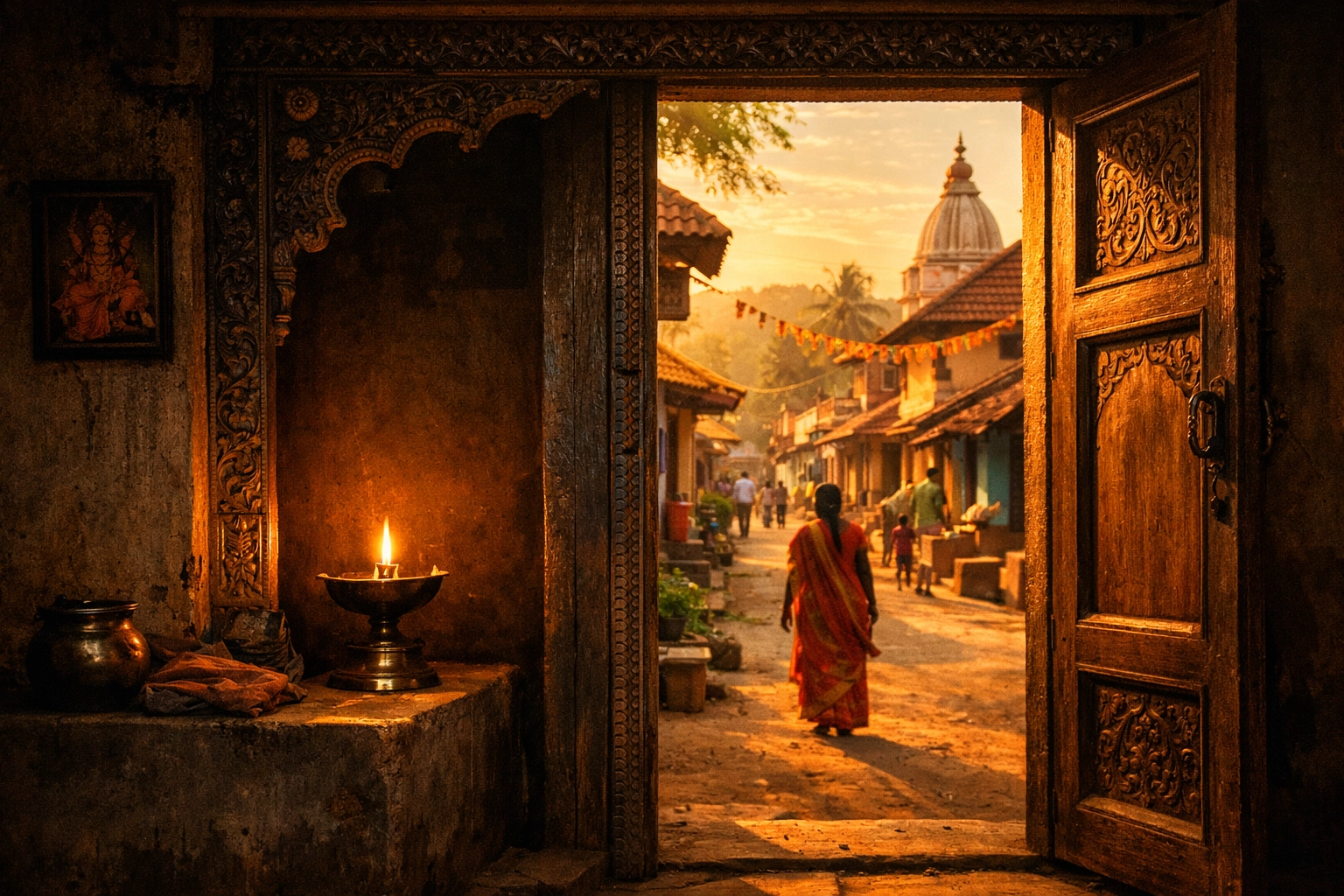
As an Assemblies of God (AG) community, we see this story through a very specific scriptural lens. We believe in the power of the Holy Spirit to move anywhere: whether it’s in a massive cathedral or a small, humble hut in a rural village.
In the Book of Acts, we see the very first Christians meeting "house to house." They didn't have grand buildings or legal protections. They had the presence of God and a commitment to one another. Acts 2:46-47 tells us they broke bread in their homes and ate together with glad and sincere hearts, praising God.
For our brothers and sisters in India, the "house church" isn't just a strategy; it’s a lifeline. In the Pentecostal tradition, we emphasize the Baptism in the Holy Spirit and the belief that every believer is a witness. When a family gathers in their home to pray, they believe the same Spirit that fell at Pentecost is present right there in their living room.
We also hold to the value of "Divine Healing." In many parts of India, people come to home prayer meetings because they are looking for hope and healing. This ruling allows those prayers to continue without the fear that a knock on the door will lead to a jail cell.
Finally, we are called to pray for those in authority. 1 Timothy 2:1-2 urges us to pray for "kings and all those in authority, that we may live peaceful and quiet lives in all godliness and holiness." This ruling is an answer to that specific prayer. It allows for a "peaceful and quiet life" where faith can be expressed freely.
Calm Next Steps: How to Respond
When we hear news of legal victories for the church abroad, it’s easy to get caught up in the excitement. But the best response is always a steady one.
First, we pray. We pray for the judges who made this decision, that they would continue to value justice and human rights. We pray for the believers in Uttar Pradesh, that they would use this freedom with wisdom and grace.
Second, we discern. We recognize that while this is a legal win, the cultural tensions still exist. Believers in India are still navigating a complex social landscape. We should pray for them to have the "wisdom of serpents and the innocence of doves" as they serve their communities.
Third, we serve. Let this story remind us of the value of our own freedom. Sometimes we take for granted the fact that we can open a Bible or host a small group without fear. Let the courage of the Indian church inspire us to be more intentional in our own faith walk.
A Future Rooted in Hope
The Supreme Court of India is currently looking into the constitutionality of various anti-conversion laws across the country. This means the legal story in India is far from over. However, the Allahabad High Court’s decision is a bright spot: a reminder that even in challenging times, there are systems in place that can protect the vulnerable.
We serve a God who is not confined by borders or courtrooms. Whether the law of the land is favorable or difficult, the Gospel continues to move forward. Today, we simply celebrate that for many families in India, tonight’s prayer meeting can happen with a little less fear and a lot more peace.
If you are navigating your own challenges or just need a place to find clarity in the chaos of the news cycle, we are here for you. We believe that the news doesn't have to be a source of anxiety; it can be a prompt for prayer and a catalyst for growth.
Follow for more Christ-centered clarity on today’s biggest questions at LayneMcDonald.com.
Need prayers? Text us day or night at 1-901-213-7341.
Source: Morning Star News, International Christian Concern, The Times of India.
Comments