Remaining in the Light: The Courage of Syrian Pastors Who Stayed
- Dr. Layne McDonald
- Mar 8
- 6 min read

Deciding whether to leave a home under fire is a choice most of us will never have to make. For the Christian community in Syria, that choice has been a daily reality for over a decade. While many have sought safety in other lands: a completely understandable and often necessary move: there is a small, resilient group of leaders who chose a different path. They stayed.
These are the pastors who decided that if the light of the Gospel was going to remain in cities like Aleppo and Damascus, someone had to hold the lamp. This isn't just a story about survival; it is a story about the deliberate choice to be present in the middle of the dark.
The Facts: A Decade of Pressure
The Syrian civil war, which began years ago, transformed a vibrant landscape into a complex map of conflict zones. For the Christian minority, the risks were multi-layered. On one hand, they faced the general dangers of urban warfare, including shelling and the collapse of infrastructure. On the other hand, they were often specifically targeted by extremist groups who viewed their faith as a provocation.
Historical data shows the scale of the struggle. By 2019, reports indicated that approximately 61% of the churches damaged during the conflict were targeted by government forces, while others were caught in the crossfire or destroyed by opposition groups. As the political landscape shifted, so did the threats. In mid-2025, even as some hoped for stability, a suicide bombing at a Greek Orthodox church in Damascus claimed at least 25 lives, proving that the danger remained close.
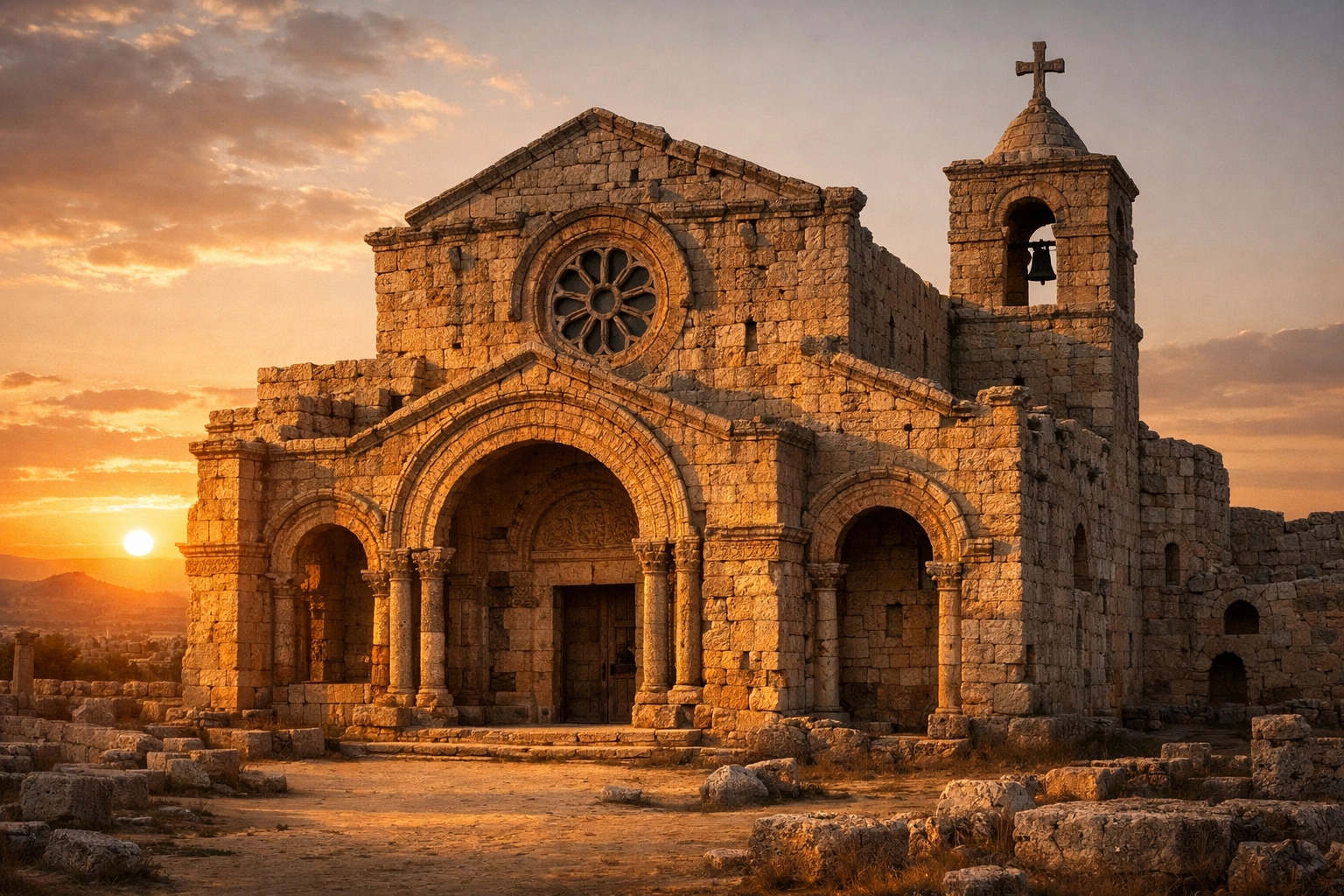
One of the most prominent figures in this narrative of endurance is Pastor Valentine Hanan. Raised in Aleppo, Hanan’s story reflects the exhaustion of the Syrian people. His family was forced to move four times within the city just to stay ahead of the front lines. Yet, after the fall of President Bashar al-Assad in December 2024, Hanan chose to return to the heart of Aleppo rather than find a permanent exit.
He serves the Christian Evangelical Alliance Church of Aleppo, specifically ministering to the Kurdish Christian community. His work isn't just about Sunday services; it’s about high-stakes crisis management.
The Current Status: 2026 and New Clashes
As of early 2026, the situation in Syria remains fragile. In January, fierce fighting broke out in the Aleppo neighborhoods of Sheikh Maqsood and Ashrafieh. The clashes involved Syrian forces and Kurdish militants, creating a fresh wave of displacement.
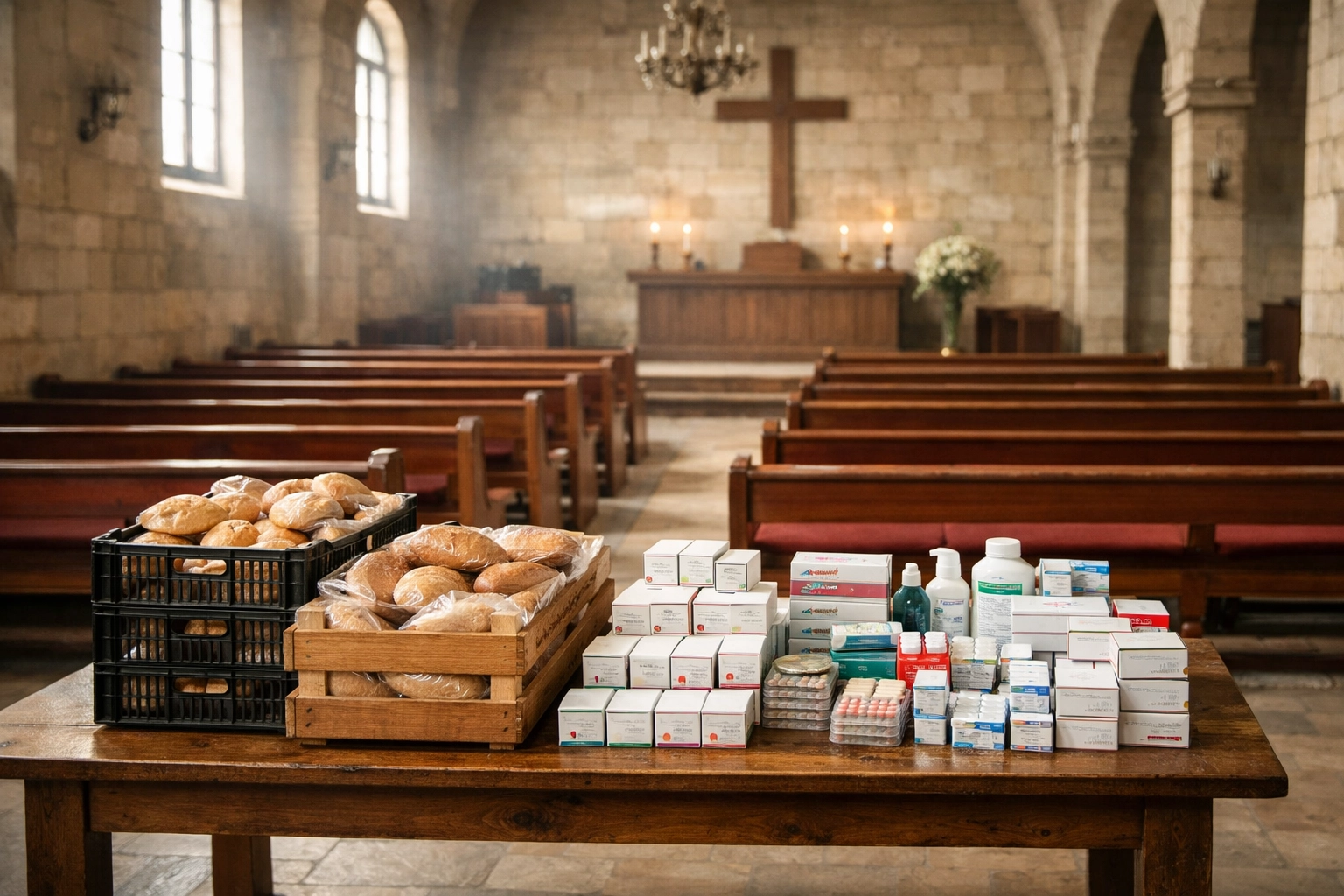
While many fled the city once again, Pastor Hanan took a different approach. He ensured his family was moved to a safe location, but he did not leave the church. Instead, he opened the doors of the Christian Evangelical Alliance Church. Within days, the sanctuary became a makeshift humanitarian hub.
Currently, the church provides refuge, meals, and essential medicine for more than 50 displaced families. What is notable about the current status is the shift in local dynamics. Despite the rise of new authorities in the post-Assad era, Hanan reports that he and his congregation have not faced direct religious persecution from the current governing bodies. In fact, local leaders have reportedly treated him with a level of respect due to his role as a community shepherd and his commitment to the welfare of all neighbors, regardless of their background.
Balanced Viewpoints: The Tension of Staying
When we look at the Syrian church, it is important to avoid a one-sided view of what "faithfulness" looks like. There is a natural tension between the call to protect one's family and the call to serve a community.
One viewpoint emphasizes the necessity of the Christian exodus. Many argue that the primary responsibility of a parent or leader is the preservation of life. For those who left, the decision was often driven by a desire to ensure their children could grow up without the trauma of constant shelling or the threat of kidnapping. This is a valid, moral choice. The Bible frequently records moments where God’s people moved to avoid destruction, such as Joseph and Mary fleeing to Egypt with Jesus.
The secondary viewpoint focuses on the theology of "presence." This is the perspective held by pastors like Hanan. They believe that if the church leaves, the hope of the Gospel leaves with it. From this angle, staying is an act of spiritual resistance. By remaining, these pastors provide a stabilizing force in a chaotic society. They argue that the church’s most effective witness occurs when the world is at its worst.
Both sides represent different facets of wisdom. One prioritizes the survival of the family unit, while the other prioritizes the survival of the local spiritual witness.
The Biblical Lens: Resilience and the Empowered Spirit
From an Assemblies of God and broader Protestant perspective, the actions of these Syrian pastors resonate deeply with the book of Acts. We believe in the Baptism in the Holy Spirit, which isn't just for personal comfort but for "power" to be witnesses (Acts 1:8). This power is often most visible in the "boldness" required to stand in dangerous places.
Pastor Hanan’s words: "God put me in this place. It's not a coincidence that I'm here": reflect a high view of God’s sovereignty and a commitment to the "Missio Dei" (the mission of God). In our faith tradition, we see the church not as a building, but as a hospital and a fortress. When the church in Aleppo opens its doors to provide medicine and food to the displaced, it is practicing a holistic Gospel. It is fulfilling the mandate to care for the "least of these."

There is also the element of resilience. The Bible tells us in 2 Corinthians 4:8-9, "We are hard pressed on every side, but not crushed; perplexed, but not in despair; persecuted, but not abandoned; struck down, but not destroyed." The Syrian pastors are a living illustration of this scripture. Their resilience isn't born out of political stubbornness, but out of a deep-seated faith that the "gates of hell shall not prevail" against the church.
Finally, we see the value of divine healing: not just of the physical body, but of the community. By staying and serving, these leaders are helping to heal the social fabric of a torn nation. They are demonstrating that peace is possible even when the political environment suggests otherwise.
A Calm Next Step: How We Respond
When we hear stories of such intense courage, it can feel overwhelming. However, our response should be one of peace and intentionality rather than guilt or frantic action.
Pray for Discernment: Pray for the pastors who have stayed, that they would have the wisdom of Solomon in dealing with new local authorities. Pray also for those who have fled, that they would find peace and new ways to serve God in their new homes.
Discern the Truth: Stay informed through reliable sources. Avoid "tribal" narratives that paint entire regions with a single brush. Look for the "hidden good news": the stories of cooperation and kindness that the mainstream headlines often miss.
Serve Where You Are: You may not be in a war zone, but there are people in your own neighborhood who feel "displaced" by life’s circumstances. Use the example of the Syrian church to open your own "doors" to those in need of comfort.
Speak with Wisdom: When discussing global conflicts, lead with grace. Let your words be seasoned with salt, focusing on the human lives involved rather than just the political scores.

A Foundation of Hope
The story of the Syrian church is not a tragedy; it is a testimony. Even as the political landscape of the Middle East continues to shift, the presence of the faithful provides a constant anchor. Pastor Hanan and others like him remind us that the light shines in the darkness, and the darkness has not overcome it.
We are called to be people of hope, not people of fear. Whether we are in the middle of a conflict or the middle of a quiet suburb, our mission remains the same: to reflect the love of Christ in every situation.
If you are looking for a community that seeks to navigate the complexities of our world with a focus on faith and peace, we invite you to join the conversation. Whether you need a place to grow or a mentor to help you find your own "calling" in difficult times, we are here for you.
For more Christ-centered clarity on today’s biggest questions and to stay updated on stories of faith from around the world, follow us at LayneMcDonald.com.
Share this to bring a little hope to someone’s day.
Source: Reuters, Christian Evangelical Alliance, The McReport Research

$50
Product Title
Product Details goes here with the simple product description and more information can be seen by clicking the see more button. Product Details goes here with the simple product description and more information can be seen by clicking the see more button

$50
Product Title
Product Details goes here with the simple product description and more information can be seen by clicking the see more button. Product Details goes here with the simple product description and more information can be seen by clicking the see more button.
$50
Product Title
Product Details goes here with the simple product description and more information can be seen by clicking the see more button. Product Details goes here with the simple product description and more information can be seen by clicking the see more button.
Comments