
Singleness and the Church: When People Feel Like a "Half-Life" Until Marriage
- Dr. Layne McDonald
- Dec 30, 2025
- 5 min read

Sunday morning rolls around, and Sarah finds herself in the same conversation again. "So, are you dating anyone special?" the well-meaning couple asks with hopeful smiles. When she shakes her head, their faces shift to that familiar expression of pity mixed with determination. "Don't worry, honey. God has someone special planned for you. You just have to be patient!"
Sarah forces a smile, but inside she's screaming. At 32, she's a successful teacher, serves in children's ministry, mentors younger women, and has a vibrant relationship with Jesus. Yet somehow, she still feels like the church sees her as incomplete – a puzzle missing its most important piece.
If this scenario sounds familiar, you're not alone. Too many singles in our churches feel like they're living in a holding pattern, waiting for real life to begin when they find "the one." But what if this entire mindset is actually contrary to everything Scripture teaches about wholeness, purpose, and the family of God?
The Invisible People in Full Rooms
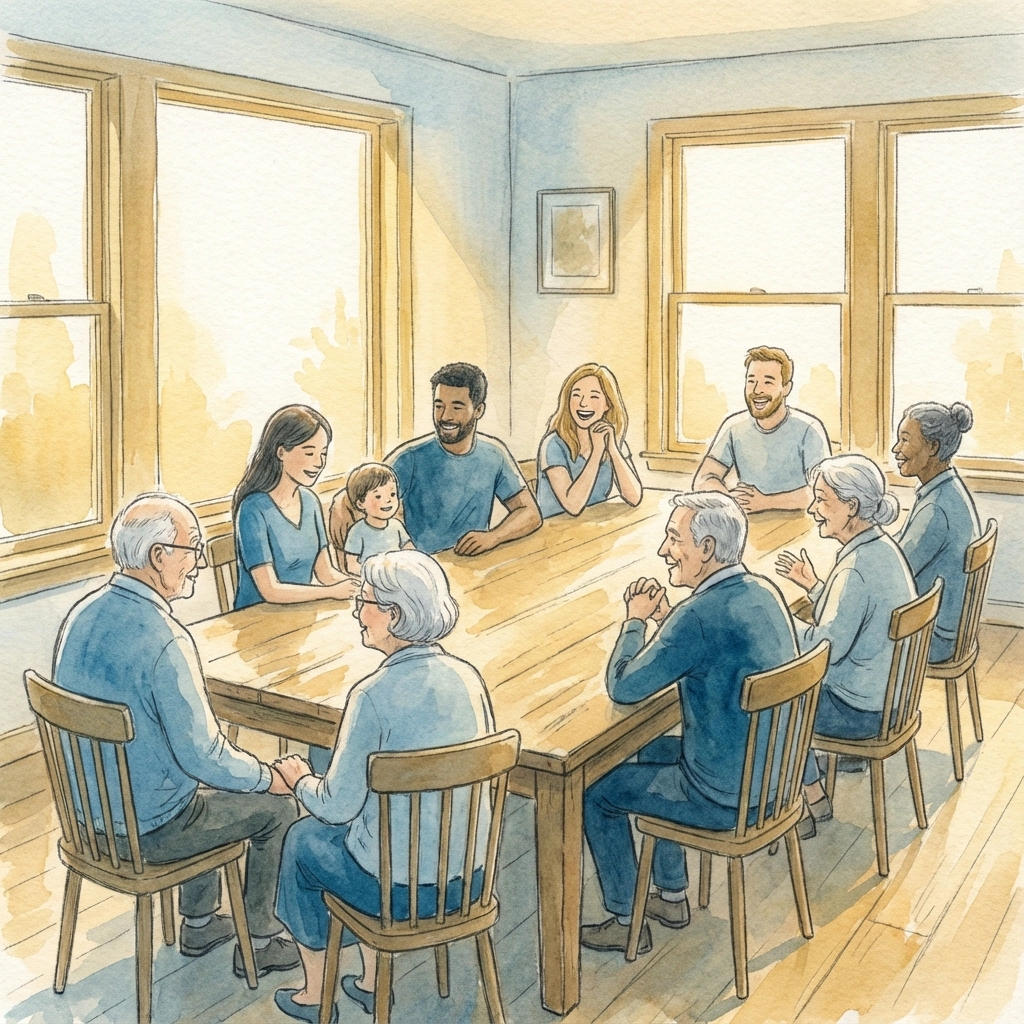
Churches often accidentally create a culture where singles feel like afterthoughts. They get invited to the "singles ministry" that feels more like a matchmaking service than genuine community. They sit through sermon series on marriage and parenting, wondering where their stories fit. They watch as leadership positions seem reserved for married couples, as if a wedding ring is a prerequisite for spiritual maturity.
The pain goes deeper when singles feel infantilized – treated like they haven't quite grown up yet because they haven't reached the marriage milestone. Or they become projects, with married friends constantly trying to set them up, as if their primary need is romance rather than genuine friendship and spiritual growth.
This creates what I call the "half-life syndrome" – where people believe they're only living at 50% capacity until they find their spouse. But here's the truth that might surprise you: this belief system isn't just harmful to singles. It's unbiblical.
What Scripture Actually Says About Family
The Apostle Paul, writing in 1 Corinthians 7, presents singleness not as a consolation prize but as a gift. He doesn't say it's better than marriage – he says it's different, with unique advantages for kingdom work. Paul himself was single and considered it beneficial for his ministry calling.
But here's what really shifts the conversation: Jesus redefined family. In Mark 3:33-35, when told His mother and brothers were looking for Him, Jesus looked at those sitting around Him and said, "Here are my mother and my brothers! Whoever does God's will is my brother and sister and mother."
Jesus wasn't dismissing biological family – He was expanding it. The church isn't supposed to be a collection of nuclear families who occasionally gather. It's meant to be one big household where everyone belongs fully, regardless of marital status.
Psalm 68:6 tells us that "God sets the lonely in families." Notice it doesn't say God gives the lonely spouses. It says He places them in families – meaning the family of faith becomes home for those who might otherwise feel isolated.
The Accidental Idol
Here's an uncomfortable truth: many churches have accidentally made marriage an idol. We've elevated it to a status that Scripture never gives it. Marriage is beautiful, holy, and a gift from God. But it's not the ultimate gift, and it's certainly not the marker of spiritual maturity or completeness.
When we consistently portray marriage as life's ultimate goal, we send several dangerous messages:
• Singles are incomplete until they marry • Marriage solves the problem of loneliness and unfulfillment • God's best blessings come through a spouse • Single people don't have much to offer families or leadership
These beliefs don't just hurt singles – they put impossible pressure on marriage itself. No human relationship can bear the weight of being someone's everything.
Creating Belonging Without Projects
So how do we fix this? How do we create churches where singles feel genuinely valued, not just tolerated or fixed?
First, examine your language. Stop asking singles if they're dating someone as your opening conversation. Instead, ask about their work, their passions, their dreams. Show interest in them as whole people, not incomplete puzzles.
Second, diversify your leadership. If your pastoral staff, board, and ministry leaders are all married, you're missing vital perspectives. Singles often have insights about community, service, and devotion that married people might not see. They also understand the experiences of a significant portion of your congregation.
Third, mix up your small groups and social activities. Instead of "singles ministry" and "couples ministry," try life-stage mixing. Create groups around interests, spiritual growth, or service opportunities rather than marital status.
Fourth, expand your definition of family. Encourage the married couples in your church to adopt singles into their family rhythms – not as charity cases, but as beloved aunts, uncles, and chosen family. And encourage singles to pour into families, offering their gifts of time, energy, and perspective.
The Gift of Singleness (That's Not What You Think)
Many people misunderstand what Scripture means by the "gift of singleness." It's not a special spiritual calling that only some people receive. It's not about being content to never marry. The gift is simply this season of life, with all its unique opportunities and challenges.
Single seasons offer distinctive advantages: • Greater flexibility for service and ministry • More time for personal spiritual development • Deeper friendships across age and life-stage lines • Freedom to take risks in career or calling • Ability to be fully present in relationships without divided attention
This doesn't mean singleness is superior to marriage – both seasons have their gifts and challenges. But it does mean singles aren't waiting for real life to begin. They're living it fully right now.
Practical Steps for Churches
Build mixed-life-stage everything. Your small groups, your leadership teams, your social events, your service projects – make them reflect the diversity of your church family.
Train your married members. Help them understand how to be genuine friends to singles without trying to fix them. Teach them to ask better questions and avoid the constant focus on dating status.
Celebrate different kinds of callings. Share stories from your pulpit of singles who are making kingdom impact. Honor the missionaries, the teachers, the caregivers, the entrepreneurs who are using their singleness as a platform for service.
Create clear leadership pathways. Don't make marriage a prerequisite for spiritual leadership. Judge potential leaders by their character, gifting, and spiritual maturity – not their wedding ring status.

Preach to your whole congregation. When you're doing a marriage series, include messages that speak to the broader church family. When you're talking about singleness, don't make it sound like a problem to be solved.
The Bigger Picture
This isn't just about making singles feel better (though that matters enormously). It's about recovering a biblical vision of what the church is supposed to be. We're not a collection of nuclear families. We're not a social club for married couples. We're a household of faith where everyone belongs, everyone has gifts to offer, and everyone is fully valued.
When we get this right, everybody wins. Singles experience genuine belonging instead of tolerated existence. Married couples gain rich friendships and perspectives they might otherwise miss. Children grow up seeing diverse models of adult life and calling. And the church becomes a more accurate reflection of the family Jesus described.
The truth is, none of us are living a "half-life." Whether single or married, young or old, parent or childless, we're all beloved children of God with unique gifts to offer His kingdom. It's time our churches started acting like we believe it.
Ready to create more inclusive, biblical community in your church? Dr. Layne McDonald offers coaching and resources for church leaders who want to build belonging for everyone. Discover how to strengthen your church culture at laynemcdonald.com.
Comments