Struggling with Evening News Anxiety? Here's Your 10 PM Truth Filter
- Dr. Layne McDonald
- Feb 14
- 6 min read

You've done it again. It's 10 PM, you're scrolling through one more breaking news alert, your heart rate is climbing, and you know, you know, you won't sleep well tonight. Your chest feels tight. Your mind is racing with worst-case scenarios about things you can't control. And somewhere in the back of your mind, a quiet voice whispers: This can't be what Jesus meant by "Watch and pray."
You're not imagining it. Evening news anxiety is real, it's measurable, and it's affecting your body, your sleep, and your peace in ways you might not realize. But here's the hope: you don't have to stay stuck in this cycle.
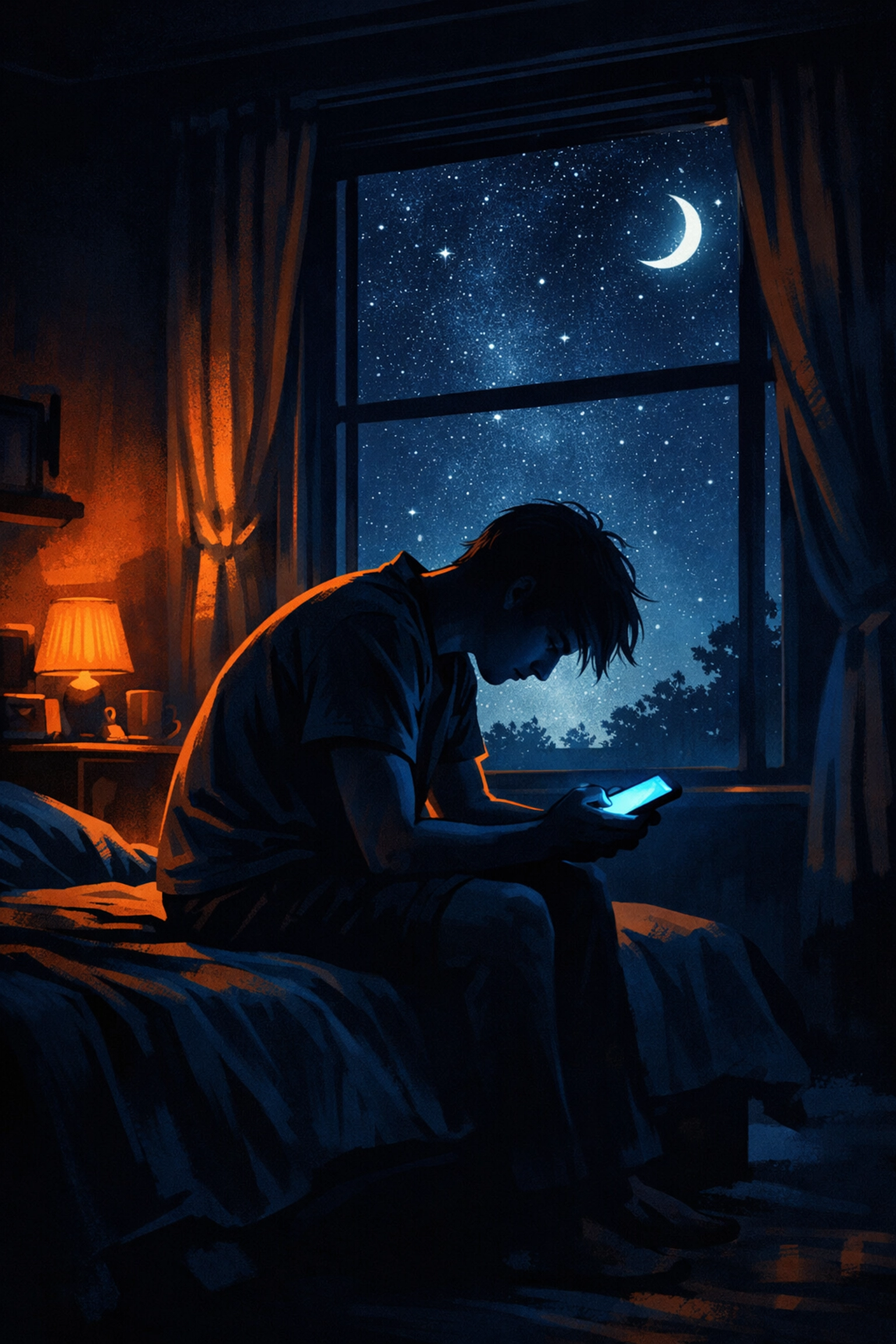
What's Actually Happening When You Watch the 10 PM News
Let's start with the facts, no hype, no agenda, just what research shows.
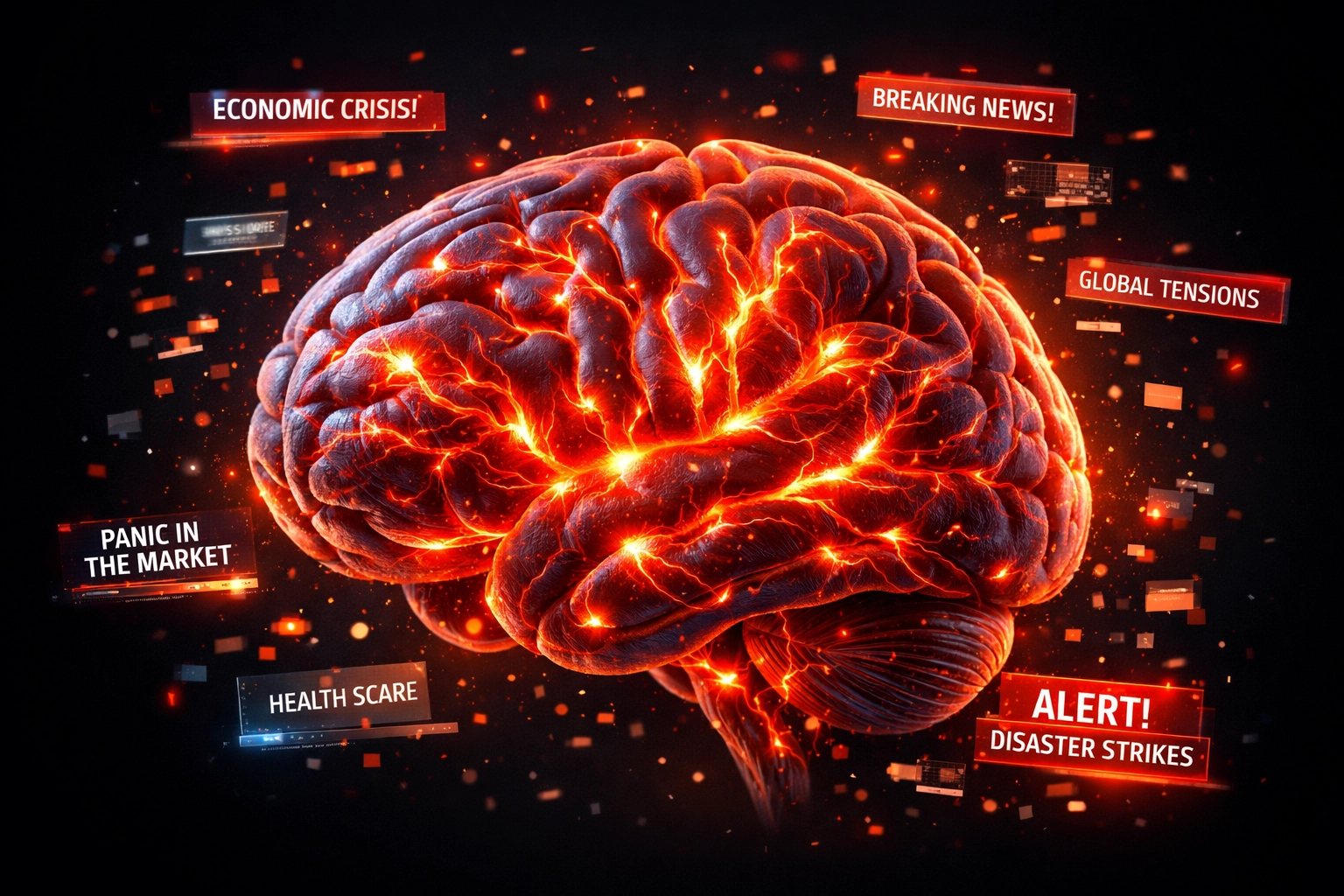
When you consume distressing news in the evening, your brain's "fight or flight" response kicks in. Your body releases stress hormones like cortisol and adrenaline, the same chemicals designed to help you run from a physical threat. But here's the problem: your body can't tell the difference between a tiger at your door and a terrifying headline on your phone.
Research published in health psychology journals found that people exposed to negative news for just 14 minutes experienced measurable increases in depression and anxiety symptoms. A broader study on news consumption habits revealed that 16.5% of respondents showed "severely problematic" news patterns, habits that disrupted sleep, compounded mental health struggles, and even triggered physical symptoms like digestive issues and chronic muscle tension.
Here's what makes evening consumption especially harmful: your body is supposed to be winding down at night. Your nervous system needs to shift from alert mode to rest mode so you can sleep and recover. But when you watch news before bed, you're pouring gasoline on a stress fire your body is trying to put out.
Over time, this pattern doesn't just ruin one night's sleep. Chronic exposure to distressing news can lead to:
Sleep disruption (trouble falling asleep, staying asleep, or waking up exhausted)
Weakened immune function (you get sick more often)
Digestive problems (stress wreaks havoc on your gut)
Chronic tension (tight shoulders, headaches, jaw clenching)
And beneath it all is something called negativity bias, an evolutionary wiring in your brain that makes bad news feel more urgent, more true, and more important than good news. It's why one negative story can overshadow ten positive ones. Your brain is doing what it was designed to do, but it wasn't designed for 24/7 global crisis feeds.
Why This Matters More Than You Think
This isn't just about feeling "a little stressed." Evening news anxiety is quietly eroding your ability to show up well in your real life, the life right in front of you.
When you're chronically anxious, your capacity for patience shrinks. You snap at your kids. You withdraw from your spouse. You feel too drained to serve at church or check in on a hurting friend. You start seeing the world through a lens of fear instead of faith.
And here's the uncomfortable truth: the news industry knows this. Negative stories get more clicks, more shares, more ad revenue. Fear keeps you watching. Outrage keeps you engaged. And while journalists aren't trying to hurt you, the business model isn't built around your peace.
You were not made to carry the emotional weight of every tragedy on earth. You were made to love your neighbor, steward your corner of the world, and trust God with the rest.
A Biblical Lens on Guarding Your Mind
"Do not be anxious about anything, but in everything by prayer and supplication with thanksgiving let your requests be made known to God. And the peace of God, which surpasses all understanding, will guard your hearts and your minds in Christ Jesus." (Philippians 4:6–7)
Notice Paul doesn't say, "Stay perpetually informed about everything bad happening everywhere." He says: bring your anxieties to God, and let His peace guard your heart and mind.
Guarding your mind isn't passive. It's an active, intentional choice about what you let in.
"Finally, brothers, whatever is true, whatever is honorable, whatever is just, whatever is pure, whatever is lovely, whatever is commendable, if there is any excellence, if there is anything worthy of praise, think about these things." (Philippians 4:8)
This doesn't mean pretending bad things don't happen. It means choosing where you fix your attention. It means refusing to let your mental diet be 90% fear and 10% hope.
Jesus told His disciples, "In this world you will have trouble. But take heart! I have overcome the world." (John 16:33)
He didn't say, "Obsess over every detail of the trouble." He said: take heart. Be courageous. I've already won.
If Jesus has overcome the world, you don't have to white-knuckle control it by staying glued to the news cycle.
A Christian Response: Your 10 PM Truth Filter
Here's the practical part, what you can actually do tonight and every night going forward.
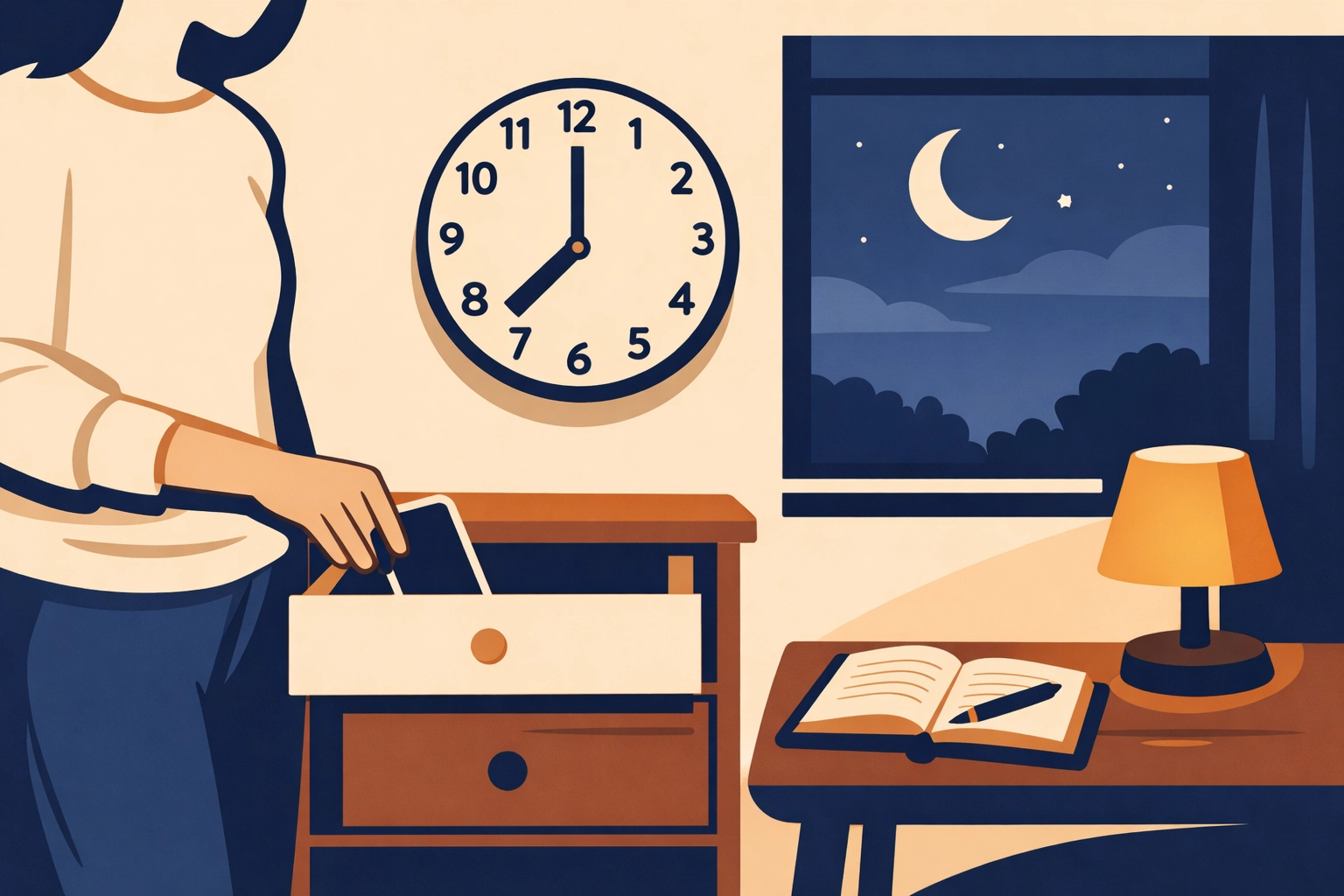
1. Set a news curfew. Decide on a cutoff time (8 PM is a good starting point). After that hour, no scrolling news apps, no cable news, no doomscrolling Twitter. If something is genuinely urgent, you'll hear about it. Most "breaking" news at 10 PM can wait until morning.
2. Replace the scroll with a rhythm. Don't just stop watching news, replace it with something restorative. Read a Psalm. Journal three things you're grateful for. Listen to worship music. Take a short walk. Pray for one person by name. Give your brain a different input.
3. Audit your sources. Are you getting news from sources that prioritize truth and context, or sources that thrive on outrage and fear? Consider subscribing to one or two calm, credible outlets instead of consuming from every direction. (Yes, that's one reason The McReport exists, we're trying to be that steady voice.)
4. Practice the "Can I do something about this right now?" test. If the answer is no, release it. Pray about it, then let it go. Carrying anxiety about things outside your control isn't faithfulness, it's fear pretending to be responsibility.
5. Get honest about the habit. If you're checking news compulsively (every few minutes, first thing when you wake up, last thing before bed), that's not staying informed, that's anxiety-driven behavior. It might be worth talking to a pastor, counselor, or trusted friend.
A Prayer for the Drama-Exhausted
Father, I confess I've been trying to carry things You never asked me to carry. I've let fear masquerade as responsibility. I've let the noise drown out Your voice. Forgive me.
Teach me to guard my mind the way You guard my soul, with intention, with grace, with trust. Help me rest in Your sovereignty. Remind me that You hold the world, the news cycle, and my anxious heart in Your hands.
Give me wisdom to know what to read, when to turn it off, and how to stay awake to the needs right in front of me without being crushed by every headline.
And when I'm tempted to scroll one more time, whisper to my spirit: "Peace. Be still. I am here."
In Jesus' name, Amen.
Your Next Right Step
You don't have to fix this overnight. Start small: tonight, put your phone in another room an hour before bed. Read one chapter of Scripture instead of one more news article. Notice how your body feels. Notice the difference in your sleep.
Then do it again tomorrow.
If evening news anxiety has become a chronic weight, you're not alone, and you don't have to carry it alone. Need prayers? Text us day or night at 1-901-213-7341. We'll pray with you, no judgment, no sales pitch.
And if you're looking for news that won't wreck your peace, that's exactly why we built The McReport. We cover what matters, fairly and truthfully, through a biblical lens, without the fear-bait or the tribal warfare. Follow along at LayneMcDonald.com for calm, Christ-centered clarity on today's biggest stories.
The world will still be turning tomorrow. The news will still be there. But your peace? That's worth protecting tonight.
FAQ: Evening News & Anxiety
Q: Is it irresponsible to limit my news consumption? A: No. Staying informed is wise. Staying chronically anxious helps no one. You can care about the world without absorbing every tragic detail in real time.
Q: What if something urgent happens and I miss it? A: Truly urgent, actionable news will reach you, through a text, a call, or a trusted source. Most "breaking news" at 10 PM isn't something you need to act on immediately.
Q: How do I know if my news habit has become unhealthy? A: Ask yourself: Does it disrupt my sleep? Does it increase my anxiety? Does it make me less patient, less hopeful, or less present with the people I love? If yes, it's time to adjust.
Q: Can I still care about justice and global issues without constant news? A: Absolutely. In fact, you'll care better: with more clarity, more energy, and more sustained engagement: when you're not running on empty from anxiety and exhaustion.
Q: What's a good alternative to evening news? A: Try reading a book, praying through a Scripture passage, taking a walk, or having a real conversation with someone you love. Your brain will thank you.

$50
Product Title
Product Details goes here with the simple product description and more information can be seen by clicking the see more button. Product Details goes here with the simple product description and more information can be seen by clicking the see more button

$50
Product Title
Product Details goes here with the simple product description and more information can be seen by clicking the see more button. Product Details goes here with the simple product description and more information can be seen by clicking the see more button.
$50
Product Title
Product Details goes here with the simple product description and more information can be seen by clicking the see more button. Product Details goes here with the simple product description and more information can be seen by clicking the see more button.
Comments