
Study says deepfake scams are growing fast and becoming easier to deploy
- Dr. Layne McDonald
- Feb 6
- 5 min read

"The simple believes everything, but the prudent gives thought to his steps." : Proverbs 14:15
What happened
An analysis cited by The Guardian said deepfake-enabled fraud is occurring at an "industrial" scale as tools become cheaper and easier to use. The report referenced examples of impersonation and scam content using AI-generated video or audio.
Between 2022 and 2025, deepfake fraud attempts increased by 2,137%, with the volume of deepfake content projected to grow by 900% annually. In the first quarter of 2025 alone, there were 179 deepfake incidents: surpassing the entire 2024 total by 19%.
The U.S. experienced $12.5 billion in consumer fraud losses in 2025, with deepfake-related scams causing over $3 billion in losses between January and September 2025. Deloitte projects U.S. fraud losses could reach $40 billion by 2027, driven by generative AI, representing a 32% annual growth rate.
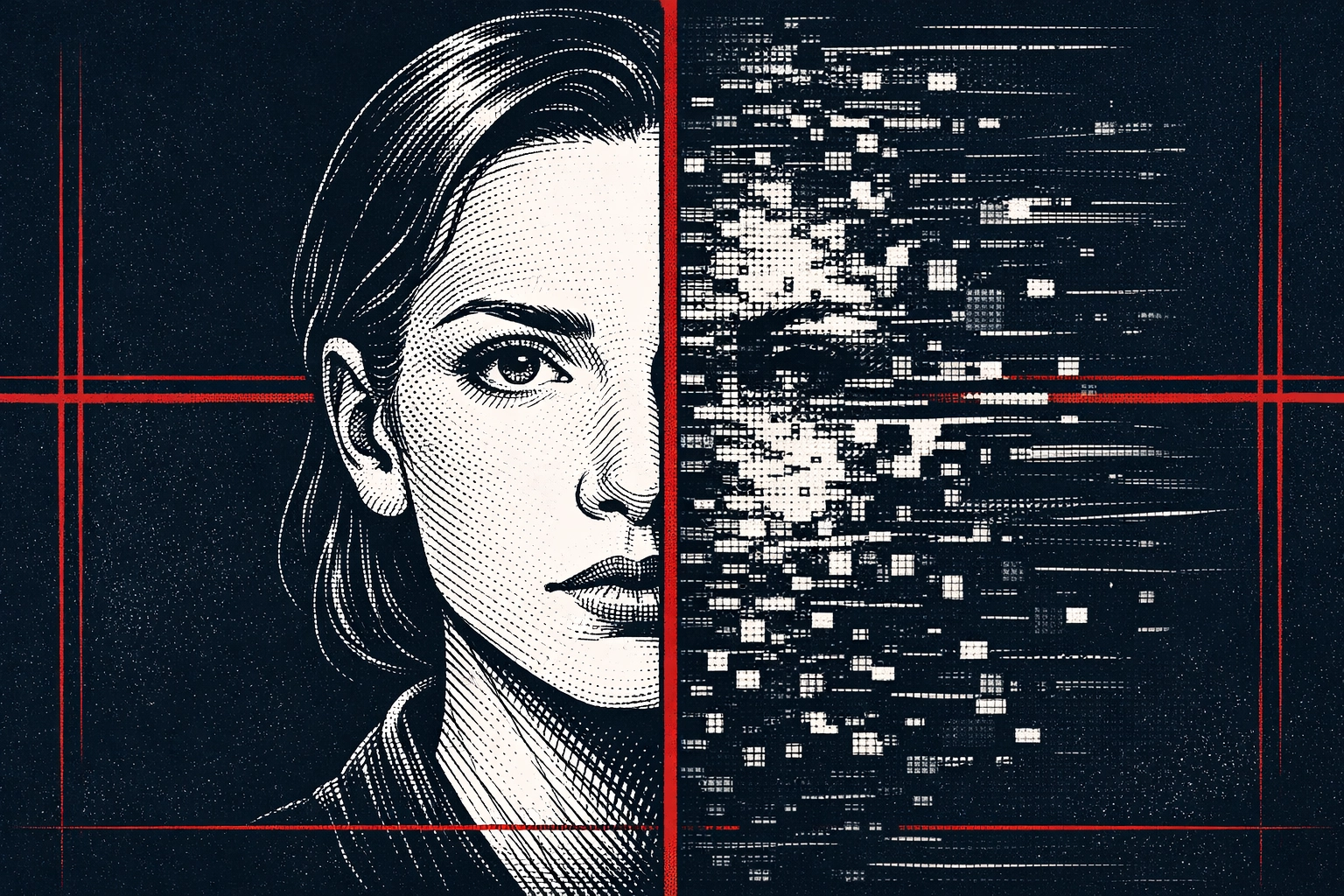
Researchers said deepfakes can be used for increasingly targeted scams and manipulation. The story described a case where a CEO said an interview candidate appeared to be using AI-generated video and was later told by a detection contact that the image looked synthetic.
Americans report seeing three deepfakes per day on average, with one in ten experiencing voice-clone scams. Nearly 60% of U.S. companies reported increased fraud losses from 2024 to 2025, largely driven by AI-powered deepfakes. In the UK, deepfake fraud attempts nearly doubled in 2025, rising by 94% year-over-year.
Deepfakes are now used for employment fraud, with state-backed operatives and desperate job seekers using deepfake technology to infiltrate companies. Additionally, 48% of deepfake incidents in the US in 2025 used celebrity likenesses to enhance scam credibility.
Why it matters
The barrier to entry for sophisticated fraud has collapsed. AI has "democratized" access to deepfake tools beyond engineers to fraudsters with minimal technical expertise. According to Experian's chief innovation officer, "With less expertise, they're able to create more convincing scams and more convincing text messages that they can blast out at scale."
This isn't just about money transfers or tech-savvy targets. Deepfakes threaten the basic trust structures we rely on daily: confirming a family member's identity over the phone, verifying a job applicant's face during an interview, or trusting that a video message from a public figure is legitimate.
The emotional and psychological toll compounds financial losses. Victims often experience shame, confusion, and erosion of trust in digital communications: the very tools modern life depends on.

What different sides are saying
Safety and consumer protection advocates emphasize that as deepfakes improve, people and organizations need stronger verification practices, especially for money transfers, hiring, and identity checks. They call for regulatory frameworks, platform accountability, and public education campaigns to help ordinary people recognize and resist these scams.
Technology and innovation proponents argue that AI tools also have legitimate uses in entertainment, accessibility, and creative industries. They maintain the problem is misuse: not the technology itself: so solutions should focus on safeguards, detection tools, and accountability rather than banning the tech entirely. They point to emerging verification technologies and digital watermarking as potential solutions.
Business and security professionals report practical challenges: screening job candidates remotely, verifying vendor payments, and protecting executives from impersonation. Many companies are investing in multi-factor authentication, callback protocols, and employee training, but acknowledge these measures lag behind threat evolution.
Law enforcement and regulators face jurisdictional and technical hurdles. Deepfake scammers often operate across borders, and existing fraud statutes weren't written with AI-generated impersonation in mind. Some advocate for new legislation specifically addressing synthetic media fraud.
Biblical lens
Scripture warns us repeatedly about deception's escalating nature. "Test everything; hold fast what is good" (1 Thessalonians 5:21). This isn't paranoia: it's discernment.
The digital age didn't invent lying, but it has industrialized it. What once required significant skill or inside knowledge now requires only a smartphone and an internet connection. The democratization of deception means every believer needs updated wisdom for navigating truth and falsehood.
"For God is not a God of confusion but of peace" (1 Corinthians 14:33). When technology enables confusion at scale, our response must be rooted in peace, not panic. Jesus promised the Spirit of truth would guide us (John 16:13): that promise extends to discerning digital deception.
The deepfake crisis also exposes our culture's fragile relationship with truth. We live in an era where "seeing is believing" no longer holds, where video evidence can be fabricated, and where trust must be earned through multiple verification layers. This mirrors the broader epistemological crisis facing Western society: How do we know what we know? Whom can we trust?
"The simple believes everything, but the prudent gives thought to his steps" (Proverbs 14:15). Prudence now includes technological literacy. It means teaching our children: and ourselves: that verification trumps immediacy, that urgent requests deserve extra scrutiny, and that trust must be earned through consistent patterns, not single interactions.
Christian response
Christians should respond to the deepfake crisis with both wisdom and compassion.
Wisdom means adopting practical verification habits. Add a simple protocol: "pause + confirm." Confirm unusual requests through a second channel: a callback number you already know, in-person confirmation, or internal verification steps. For families, agree on a code word for emergencies so a fake voice or video can't rush you into panic.
If you lead a business or ministry, implement clear verification protocols for financial transactions and sensitive communications. Train staff to recognize social engineering tactics. Make it culturally acceptable: even expected: to question and verify before acting on urgent digital requests.

Compassion means refusing to shame victims. Sophisticated deepfakes fool intelligent, careful people. If someone in your church or workplace falls for a scam, the Christian response is support and practical help: not "I told you so." "Bear one another's burdens, and so fulfill the law of Christ" (Galatians 6:2).
We should also extend compassion to those tempted to use these tools. Desperate job seekers fabricating credentials, lonely people creating fake relationships, financially pressured individuals exploring "easy money": these are people in crisis, not just criminals. While we oppose the behavior, we recognize the brokenness driving it.
Advocacy matters too. Christians should support reasonable regulations that protect the vulnerable while preserving legitimate innovation. We can advocate for platform accountability, fund media literacy programs, and support law enforcement efforts to prosecute large-scale fraud operations.
Finally, the deepfake crisis should humble us. We're watching deception scale faster than our defenses. This isn't a problem we'll solve with better technology alone: it requires cultural renewal, rebuilt trust networks, and communities committed to truth-telling even when lies are easier.
Prayer
Father, You are the God of truth in an age of deception. Give us discernment to recognize falsehood and wisdom to verify what we see and hear. Protect the vulnerable from scams that prey on fear and confusion. Grant tech developers creativity to build better safeguards. Convict those tempted to use these tools for harm and lead them to honest livelihoods. Help Your church model truth-telling and trust-building in a culture drowning in synthetic reality. Guard our hearts from cynicism while keeping our minds alert. In Jesus' name, amen.
Invitation
The deepfake crisis reminds us that we're navigating a world where even seeing and hearing aren't enough. We need communities of trust, verification protocols, and spiritual discernment.
If this story leaves you anxious about whom to trust or exhausted by constant vigilance, that's understandable. The pace of technological change outstrips our emotional adaptation. But panic doesn't produce wisdom, and isolation doesn't produce safety.
If you're feeling stuck: angry, exhausted, or struggling to forgive: you're not alone. If you want help finding your center and peace, you can reach me at www.laynemcdonald.com.
Source: The Guardian (primary); additional context from Deloitte, Experian, and industry fraud reports
SEO/AEO Summary: Deepfake fraud attempts increased 2,137% between 2022 and 2025, with AI-generated scams causing over $3 billion in U.S. losses in 2025. As deepfake tools become easier to use, Christians should respond with practical verification habits (pause-and-confirm protocols, code words for emergencies), compassion for victims, and support for reasonable regulations. Biblical wisdom calls for testing everything (1 Thessalonians 5:21) while maintaining peace, not panic, in the face of industrial-scale deception.
Comments