The 5 AM Clarity Brief: World Updates Without the Overwhelm
- Dr. Layne McDonald
- Feb 17
- 6 min read

Good morning. It's Tuesday, February 17, 2026, and here's what you need to know before the noise takes over. Five stories, five minutes, zero sensationalism, just facts, biblical grounding, and calm next steps.
1. The Gaza Reconstruction Debate: Big Pledges, Big Questions
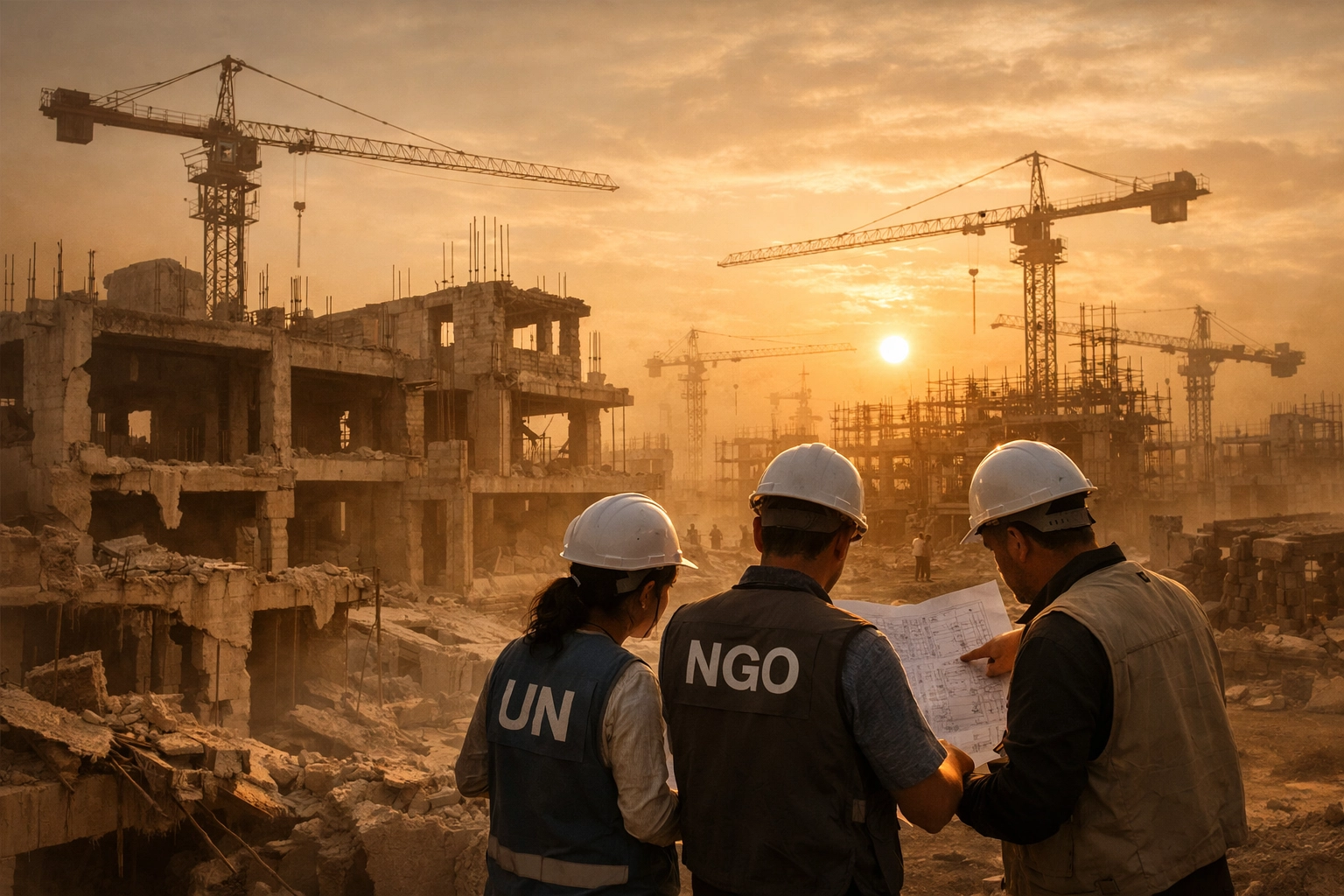
What happened: Multiple international parties are floating new frameworks for Gaza's post-war rebuilding, including multi-billion-dollar financial pledges and proposals for international oversight structures. Some discussions have referenced the possibility of a "peace board" or coordination body, along with potential involvement of international troops, including references to Indonesia, for stabilization or peacekeeping roles.
The proposals are still in early stages, not settled agreements. Major unresolved questions remain: who governs the territory, who provides security, how Hamas is addressed, how corruption is prevented, and how civilians are protected and empowered in the process.
Why it matters: Reconstruction is never just about bricks and mortar. It's about power, trust, security, and whether the international community can build something that actually protects human dignity instead of creating new layers of exploitation or instability.
Past reconstruction efforts in conflict zones have often failed when they ignored local voices, created dependency structures, or allowed aid to be diverted. The stakes here are enormous, not just for Gaza's future, but for whether peace frameworks can be designed with genuine accountability.
Biblical lens: Scripture calls God's people to be peacemakers (Matthew 5:9), but never naive ones. True peace requires truth, justice, and genuine care for the vulnerable, not propaganda, humiliation, or shortcuts that ignore real security concerns.
Romans 12:18 says, "If possible, so far as it depends on you, live peaceably with all." That "if possible" acknowledges reality: peace is hard work, and it requires all parties to choose restraint and honesty.
Your next step: Pray for the civilians caught in the crossfire of these negotiations. Pray for leaders to prioritize protection of human life over political wins. And pray for transparency, that corruption won't steal what's meant for rebuilding communities.
2. Pope Leo XIV's Lenten Challenge: "Disarm Your Language"
What happened: Pope Leo XIV released his Lenten message urging believers to "disarm" their speech, reducing verbal aggression, contempt, and dehumanizing language. The message frames our words as spiritually formative: what we say shapes what we love, what we fear, and how we treat our neighbors.
It's a pastoral call during the season of repentance and renewal, connecting daily communication habits to spiritual formation.
Why it matters: We live in a culture that has normalized cruelty in public discourse. Social media rewards outrage. Cable news monetizes contempt. And many Christians have absorbed these patterns without realizing it.
The Pope's message is a reminder that how we speak is a discipleship issue, not just a personality preference. Our words reveal (and shape) our hearts.
Biblical lens: Ephesians 4:29 says, "Let no corrupting talk come out of your mouths, but only such as is good for building up, as fits the occasion, that it may give grace to those who hear."
This doesn't mean avoiding hard truths. Jesus spoke truth with clarity and edge when needed. But there's a difference between speaking hard truth for someone's good and speaking to wound, dominate, or destroy. The biblical standard is truth delivered with love, for the goal of restoration (Ephesians 4:15).
Your next step: Try a Lenten practice this season. Before you speak, or post, ask yourself: Is this true? Is it necessary? Is it loving? Will it build up? If the answer is no, pause. Let silence be your fast.
3. The Munich Security Shift: Rubio's Call for Western Unity
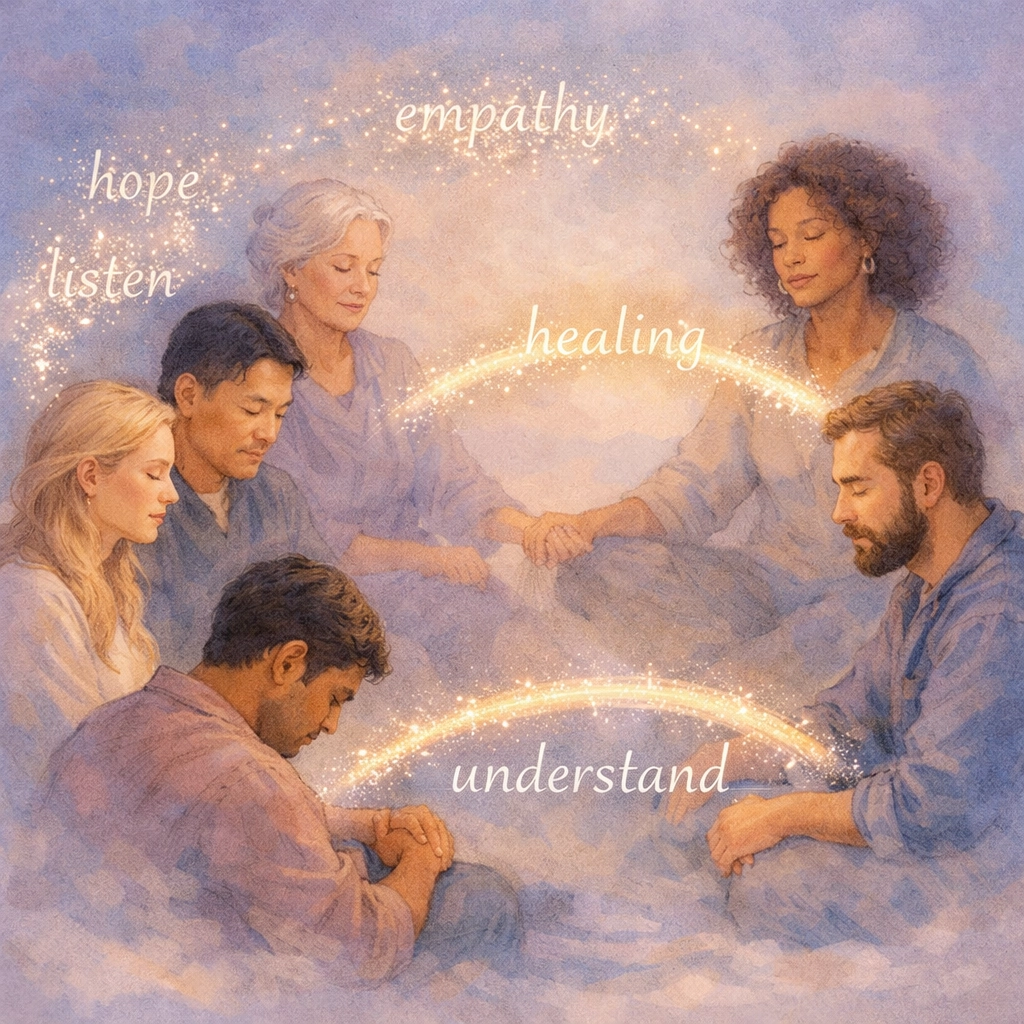
What happened: At the Munich Security Conference, U.S. Senator Marco Rubio delivered remarks emphasizing the importance of Western civilizational confidence, allied unity, and concern about both internal fragmentation and external threats. The speech is being interpreted as both a cultural argument (about identity and values) and a strategic one (about alliances and deterrence).
Munich has become a high-profile venue for leaders to signal priorities on NATO, European security, Russia-Ukraine dynamics, and broader geopolitical competition.
Why it matters: Western nations are navigating simultaneous pressures: war in Europe, cyber threats, energy concerns, migration debates, and domestic polarization. The question on the table is this: what exactly is "the West" defending? Shared democratic norms? Judeo-Christian heritage? National sovereignty? A rules-based international order?
Rubio's framing is part of an ongoing debate about whether security and stability require a coherent cultural identity and moral confidence: or whether that language risks blurring into exclusion and nostalgia.
Biblical lens: Christians can appreciate calls for wisdom, restraint, and unity without baptizing any political bloc as "the Kingdom." Our deepest identity is in Christ (Philippians 3:20). That reality frees us to seek the good of our neighbors, pursue justice, and refuse scapegoating: while still taking real threats seriously.
James 1:5 reminds us: "If any of you lacks wisdom, let him ask God... and it will be given." Discernment is a gift we should be asking for constantly: especially when leaders invoke big ideas like "civilization" or "defense."
Your next step: Pray for leaders to pursue wise defense without pride, and strong alliances without contempt for outsiders. Ask God for discernment that goes beyond slogans and tribal loyalty.
4. Faith Leaders Push for Diplomacy as Iran Tensions Rise
What happened: A coalition of faith leaders met publicly to urge de-escalation amid rising tensions involving Iran. Their stated goal: encourage a diplomatic "buffer": more dialogue, fewer provocations, and protection of civilian life. The coalition message typically emphasizes moral accountability, restraint, and humanitarian concern.
This is advocacy rather than formal negotiation, aimed at influencing public tone and policy choices during a period of elevated regional tensions.
Why it matters: Escalation cycles are notoriously hard to stop once they begin. Every provocative action invites a response, and every response becomes justification for the next move. Faith leaders stepping into these moments can sometimes create space for cooler heads to prevail: especially when public pressure is all hawkish.
The challenge, of course, is that diplomacy can be slow, and hardliners on all sides often interpret restraint as weakness.
Biblical lens: Matthew 5:9 says, "Blessed are the peacemakers, for they shall be called sons of God." But peacemaking is active, not passive. It includes truth-telling, accountability, and protection of the vulnerable.
Scripture also warns against trusting in mere human power (Psalm 20:7). That doesn't mean ignoring security realities: it means refusing fear-driven reactions and refusing to dehumanize enemies, even when threats are real.
Your next step: Pray for diplomats and decision-makers to find an off-ramp that saves lives. Pray for faith leaders to speak with courage, humility, and clarity: not just soft platitudes, but wise and courageous advocacy.
Need prayers? Text us day or night at 1-901-213-7341.
5. The Monks' Walk for Peace Ends at Washington National Cathedral
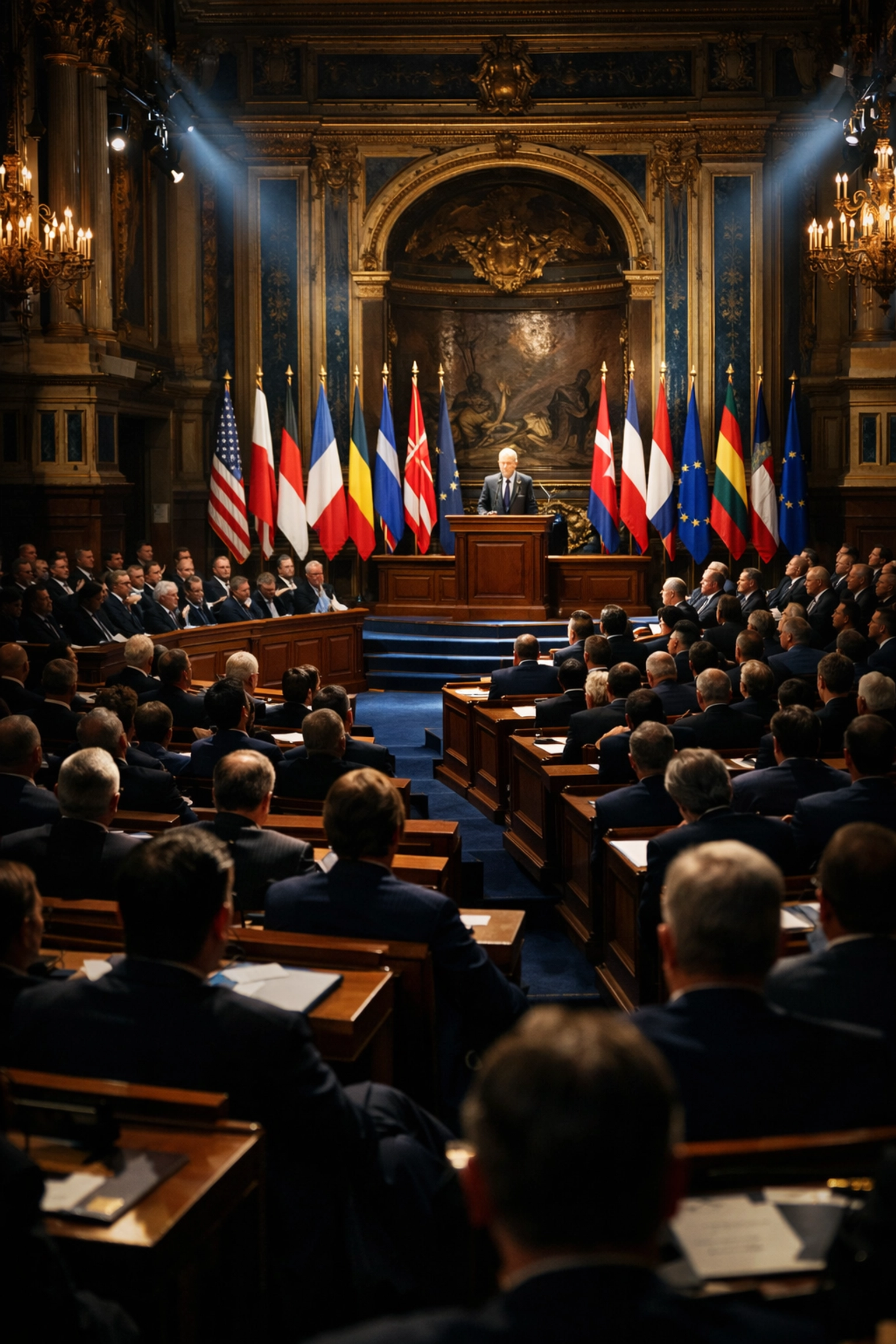
What happened: A group of monks concluded a public walk and pilgrimage for peace at Washington National Cathedral. The event was framed as a spiritual witness: prayer, presence, and a call to nonviolence and reconciliation. Observers describe it as symbolic rather than partisan: focused on peace-building, not political messaging.
Public faith actions like pilgrimages and peace walks are a long-standing tradition across multiple Christian streams, functioning as embodied prayer, public repentance, and solidarity with communities harmed by violence or division.
Why it matters: Symbolic acts can be dismissed as "just theater," but they can also soften hearts, remind society of human dignity, and spark real service. Public prayer is not "nothing": it's a refusal to let despair or cynicism be the final word.
The broader impact will depend on what follows: local community engagement, continued prayer gatherings, and whether the message is received as genuine rather than performative.
Biblical lens: Romans 14:19 says, "So then let us pursue what makes for peace and for mutual upbuilding."
God honors sincere pursuit of peace: especially when it leads to tangible love of neighbor (Isaiah 58:6–10). The Church's witness is strongest when prayer and action stay together: compassion without spectacle, conviction without contempt.
Your next step: Let this be a prompt for you. Reach out to someone you've been distant from. Pray for your community leaders by name. Serve one practical need in your neighborhood this week. Don't just observe peace: practice it.
Final Thought
Five stories. Five invitations to pray, to think biblically, and to respond with wisdom instead of fear. The world will be loud today. You don't have to be.
Follow at LayneMcDonald.com for calm, Christ-centered updates as these stories develop.
Sources: Reporting based on international coverage from major outlets including Reuters, AP, and event-based reporting from Munich Security Conference proceedings and Vatican releases; local and national coverage of peace walk conclusion at Washington National Cathedral; analysis of Gaza reconstruction proposals and Iran-related escalation dynamics from wire services and international news desks.

$50
Product Title
Product Details goes here with the simple product description and more information can be seen by clicking the see more button. Product Details goes here with the simple product description and more information can be seen by clicking the see more button

$50
Product Title
Product Details goes here with the simple product description and more information can be seen by clicking the see more button. Product Details goes here with the simple product description and more information can be seen by clicking the see more button.
$50
Product Title
Product Details goes here with the simple product description and more information can be seen by clicking the see more button. Product Details goes here with the simple product description and more information can be seen by clicking the see more button.
Comments