The Miracle in the Code: B.C. Man Cured in World-First Gene Editing Breakthrough
- Dr. Layne McDonald
- Feb 28
- 6 min read

"I praise you because I am fearfully and wonderfully made; your works are wonderful, I know that full well." : Psalm 139:14 (NIV)
In the quiet city of Kelowna, British Columbia, a young man named Ty Sperle has become the living embodiment of a scientific: and many would say spiritual: milestone. At just 19 years old, Ty has walked out of the shadow of a life-threatening genetic condition and into the history books. For the first time in medical history, a patient has been cured of Chronic Granulomatous Disease (CGD) using a revolutionary technology known as "prime editing."
At The McReport, we often talk about the intersection of news and faith. Usually, the headlines are heavy, filled with the friction of a world in transition. But today, the news from the West Coast of Canada feels like a deep exhale. It’s a story about the complexity of our design and the grace found in discovery. It’s about a "spelling mistake" in a young man’s DNA finally being corrected.
The Facts: A World-First in Vancouver
The story, recently detailed in the *New England Journal of Medicine*, centers on Ty Sperle’s lifelong battle with CGD. Diagnosed at age five, Ty lived a life defined by caution. CGD is a rare primary immunodeficiency where the body’s white blood cells are unable to kill certain types of bacteria and fungi. For most of us, a bit of dirt or a walk in the woods is harmless. For Ty, it was a gamble with a life-threatening infection.
The standard "cure" for CGD has traditionally been a bone-marrow transplant. However, this requires a near-perfect donor match, which Ty did not have. Without a donor, his options were limited to a lifetime of intensive medication and constant vigilance. That changed when he met Dr. Stuart Turvey, a pediatric immunologist at BC Children’s Hospital.
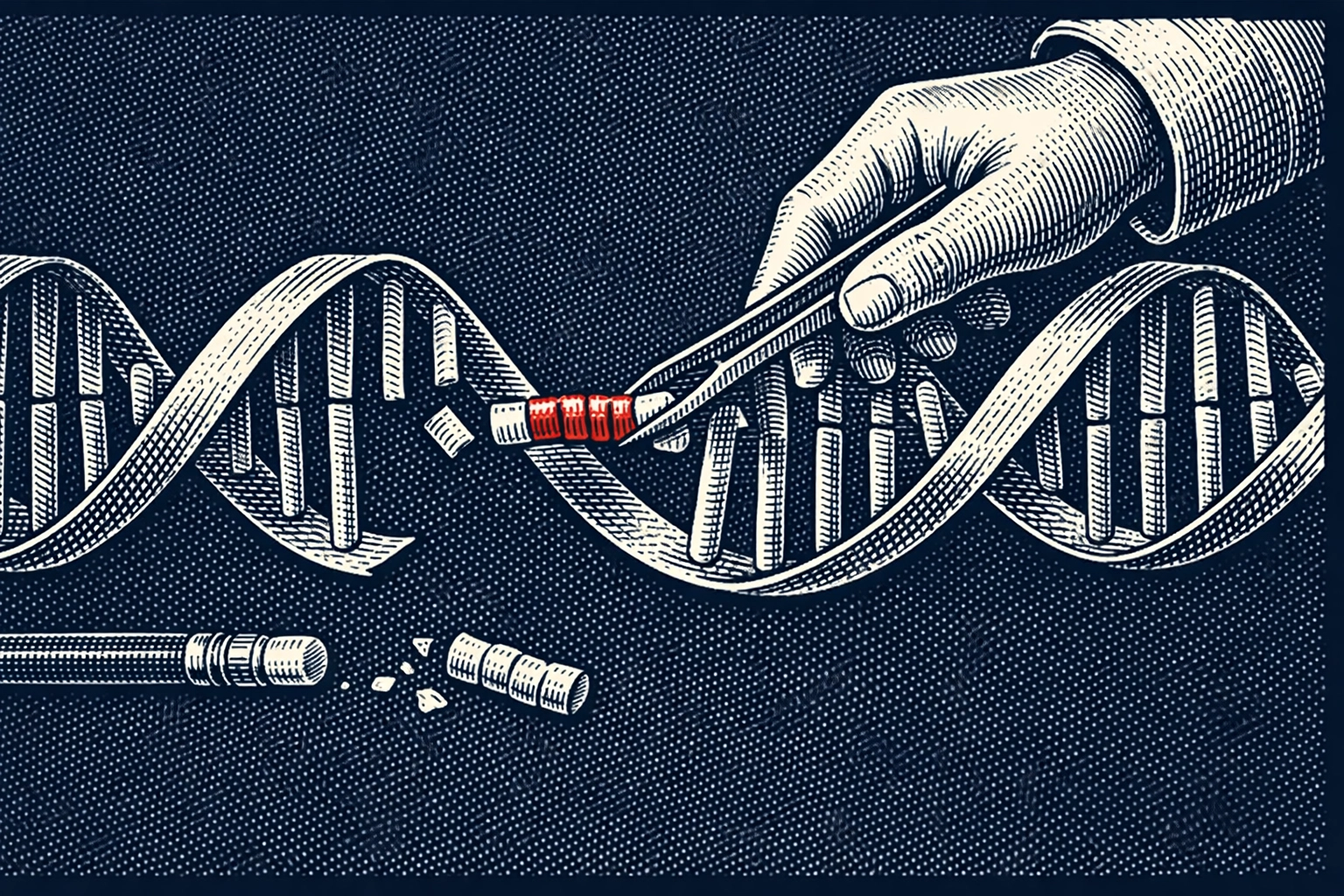
Dr. Turvey and his team utilized "prime editing," a highly precise form of gene therapy often described as a "molecular word processor." Unlike earlier versions of gene editing (like CRISPR-Cas9) that act more like "molecular scissors" to cut DNA, prime editing allows scientists to search for a specific sequence of DNA and replace it with a corrected version without breaking both strands of the double helix. It is cleaner, more precise, and, in Ty’s case, remarkably effective.
The process involved extracting Ty’s own blood stem cells, taking them to a lab to "fix" the genetic error, and then reinserting them into his body. Because the cells were his own, there was no risk of rejection: a common and dangerous side effect of traditional transplants.

The Context: From Constant Anxiety to Camping Trips
To understand the magnitude of this breakthrough, you have to understand the daily reality of CGD. Dr. Turvey notes that "people with this disease don't live long and healthy lives" without intervention. Ty lived with the constant weight of knowing his immune system was missing its most basic defensive tools. He couldn't go camping, hike through the brush, or engage in many of the outdoor activities that define a Kelowna childhood because the risk of inhaling a common fungus or bacteria was too high.
Since the treatment, the change has been absolute. Ty no longer takes the heavy rotation of medications that were once his lifeline. He has been cleared to do the things most 19-year-olds take for granted, like spending time in nature. His mother’s reaction: one of "instant tears" upon hearing the news of the cure: speaks to the decade-long burden that has finally been lifted from their family.
While the medical community is hailing this as a "miracle" (Dr. Turvey’s own words), they are also being realistic about the timeline for the general public. This was a clinical trial, and prime editing is not yet a routine treatment available at your local clinic. The next several years will be focused on scaling this technology and integrating it into healthcare systems worldwide.
Viewpoints: Science, Ethics, and Hope
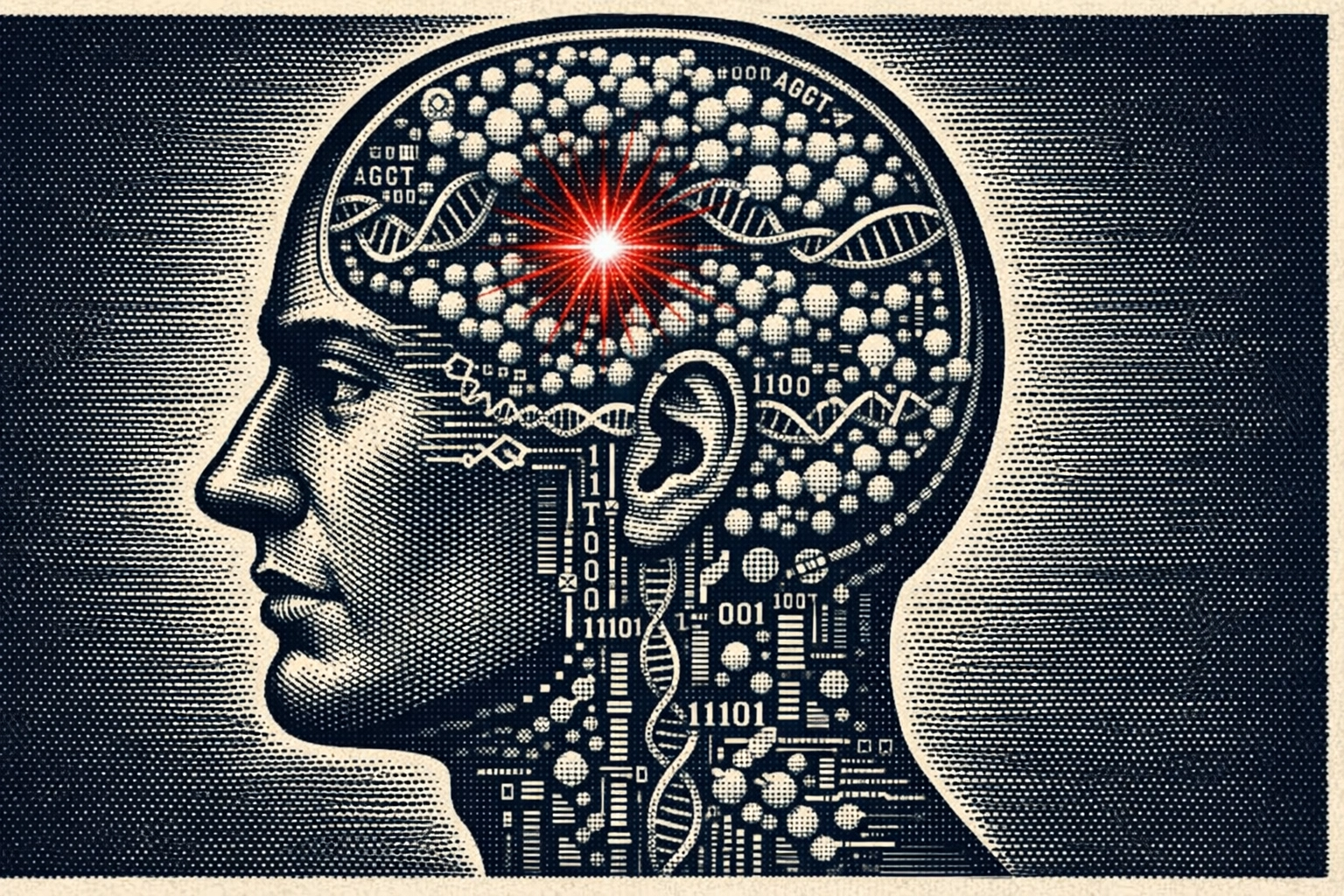
As with any breakthrough involving the human genome, there are various lenses through which to view this news. Within the medical community, the consensus is one of overwhelming optimism. Prime editing is seen as a way to treat thousands of rare genetic diseases that were previously considered "untreatable" because the genetic errors were too small or too complex for older editing methods.
From an ethical standpoint, the conversation remains nuanced. While most agree that using gene editing to cure debilitating diseases in "somatic cells" (cells that aren't passed down to children) is a moral good, there is always a healthy caution regarding "germline" editing (changing the DNA of embryos). This story, however, is firmly in the camp of restorative medicine: fixing what is broken to allow a human being to thrive as they were meant to.
In the public sphere, the reaction has been a rare moment of unity. In a time when medical science is often a point of contention, the image of a young man being cured of a fatal disease through the sheer brilliance of human ingenuity is hard not to celebrate.
"He sent out his word and healed them; he rescued them from the grave." : Psalm 107:20 (NIV)

Biblical Lens: The Master Architect and the Tool of Science
As an Assemblies of God-based newsroom, we view a story like Ty’s through the lens of Divine Healing and the sovereignty of God. We believe that God is the Great Physician, but we also recognize that He often works through the gift of human intellect and the stewardship of creation. In the AG tradition, we see science not as an opponent of faith, but as a tool that uncovers the intricacies of God’s handiwork.
The "code" of our DNA is not an accident; it is the language of the Creator. When we see doctors like Stuart Turvey spending years learning how to "correct the spelling" in that code, we see a reflection of the redemptive work of Christ. Just as Christ came to restore a broken world and bring wholeness to our spirits, God has allowed us to discover ways to bring wholeness to our physical bodies.
We believe in the power of prayer for healing: we see it happen, and we trust God for it every day. But we also believe that when a scientist discovers a way to cure a 19-year-old of a fatal disease, that discovery itself is a form of grace. It is God revealing a little more of how His universe works so that we might alleviate suffering. Ty’s cure is a reminder that we are "fearfully and wonderfully made," and sometimes, God uses the curiosity of the human mind to finish the healing that nature could not complete on its own.
Next Step: A Response of Gratitude and Prayer
How do we respond to a "miracle in the code"? First, we respond with gratitude. We can take a moment today to thank God for the scientists, researchers, and brave trial participants like Ty who move the needle of human health forward. Their work is a service to all of humanity.
Second, we hold space for those who are still waiting. For every Ty Sperle who receives a world-first cure, there are thousands of families still praying for a breakthrough for their own loved ones suffering from rare diseases. This news should embolden our prayers and our support for medical research that honors the sanctity of life.
Finally, let this story remind you of your own value. If the "spelling" of your DNA is so important that the world’s top scientists would spend decades learning how to fix a single letter of it, imagine how much more important you are to the One who wrote the code in the first place.
"I will restore health to you, and your wounds I will heal, declares the Lord." : Jeremiah 30:17 (ESV)
This breakthrough in Vancouver is more than just a medical milestone; it’s a signpost of hope. It reminds us that even when things feel broken at the most fundamental level, there is a path toward restoration. Whether through a laboratory in B.C. or a quiet prayer in your living room, healing is always the heart of the Father.
Need prayers? Text us day or night at 1-901-213-7341. If you’re looking for mentoring or guidance on how to navigate these changing times with a focus on faith, visit LayneMcDonald.com.
Share this to bring a little hope to someone’s day.
Source: The Canadian Press, Global News, New England Journal of Medicine

$50
Product Title
Product Details goes here with the simple product description and more information can be seen by clicking the see more button. Product Details goes here with the simple product description and more information can be seen by clicking the see more button

$50
Product Title
Product Details goes here with the simple product description and more information can be seen by clicking the see more button. Product Details goes here with the simple product description and more information can be seen by clicking the see more button.
$50
Product Title
Product Details goes here with the simple product description and more information can be seen by clicking the see more button. Product Details goes here with the simple product description and more information can be seen by clicking the see more button.
Comments