The Sanctuary of the Home: Indian Court Upholds Private Prayer Rights
- Dr. Layne McDonald
- Mar 10
- 5 min read

For most of us, "home" is more than just a roof over our heads. It is the place where we are most ourselves. It is where we share meals, raise our children, and, for many of us, it is where we find the quiet space to connect with the Almighty. In the Christian tradition, the home has always been a sacred sanctuary: the original "church building."
But for many believers in Uttar Pradesh, India, that sense of sanctuary has felt fragile in recent years. Local authorities and vigilante groups have frequently interrupted private gatherings, citing the need for government permits or raising concerns about "unlawful conversions."
In a landmark decision that is being celebrated by religious liberty advocates worldwide, the Allahabad High Court has stepped in to clarify the law. The court ruled that when it comes to private prayer on private property, the government has no business requiring a permit.
At The McReport, we believe in looking at the news through a lens of faith and peace. Today, we’re diving into the details of this ruling, why it matters for our brothers and sisters in India, and how it aligns with the biblical model of the early church.
The Facts: A Victory for Constitutional Rights
The ruling came from the Allahabad High Court in January 2026, specifically addressing petitions from two Christian organizations: Maranatha Full Gospel Ministries and the Emmanuel Grace Charitable Trust. These groups, based in the state of Uttar Pradesh, had been facing a frustrating wall of bureaucracy. They wanted to hold prayer meetings on their own residential and workplace properties, but local authorities were either denying permission or simply ignoring their requests.
The division bench, led by Justices Atul Sreedharan and Siddharth Nandan, didn't mince words. They anchored their decision in Article 25 of the Indian Constitution, which guarantees all citizens the freedom of conscience and the right to freely profess, practice, and propagate their religion.
The court’s clarification was simple but profound: No government permission is required to hold religious prayer meetings in private premises.
The judges drew a clear line between private and public life. If a group wants to take their prayer meeting onto a public road, a park, or any government-owned property, they still need to notify authorities and get approval. This makes sense for the sake of public order. However, the four walls of a private home or a private office are a different story. In those spaces, the right to worship is protected.
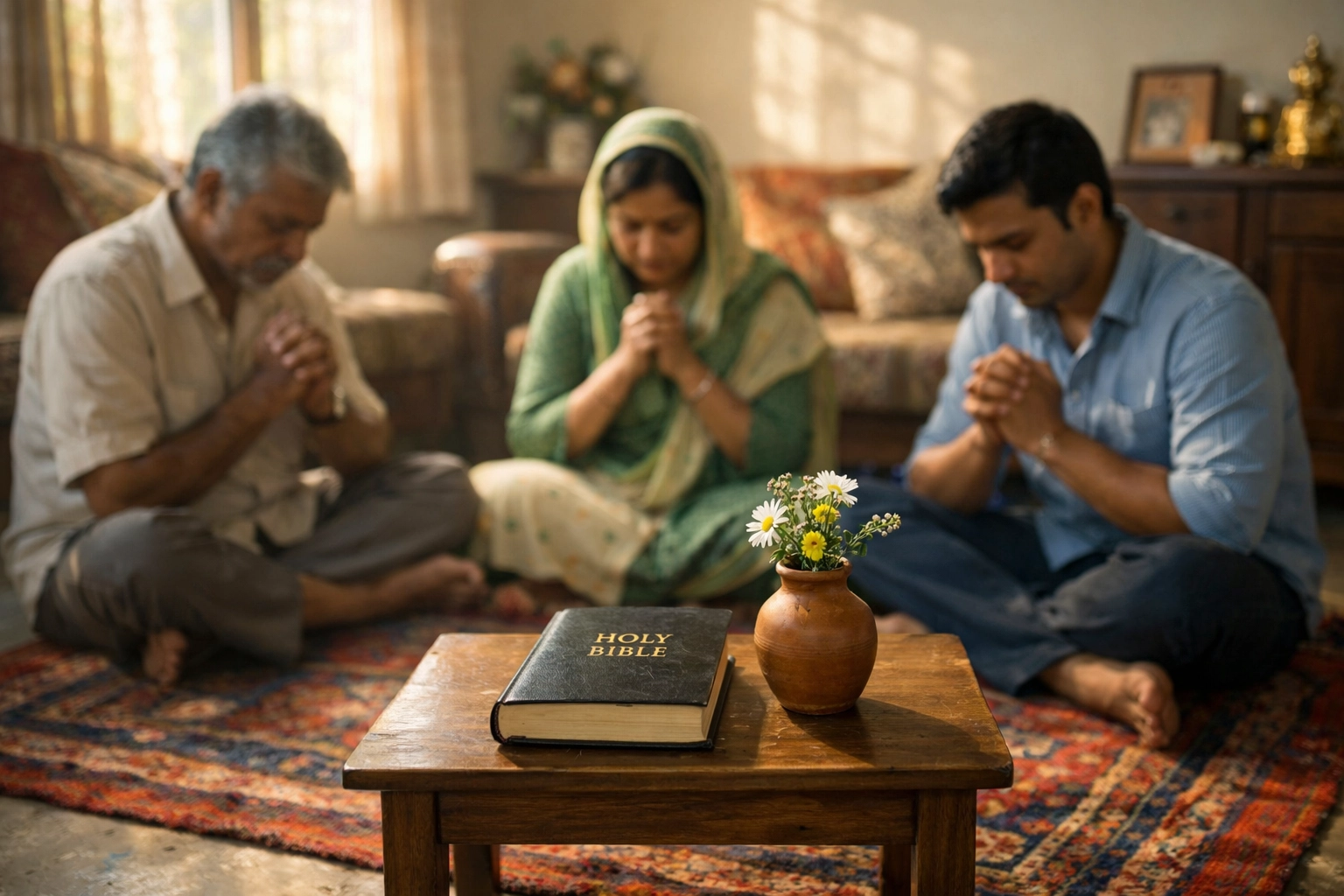
This ruling is particularly significant because of the climate in northern India. Uttar Pradesh has been a flashpoint for tensions surrounding religious gatherings. In many rural and semi-urban areas, local officials have used "law and order" concerns as a pretext to shut down even the smallest home-based fellowships. By affirming that private worship is a constitutional right, the court has provided a vital legal shield for minority communities who have felt increasingly squeezed.
The Context: A Growing Conversation on Liberty
While this ruling is a major win, it doesn’t exist in a vacuum. Currently, the Supreme Court of India is looking at the broader picture. They have issued notices to the central government and 12 states: including Uttar Pradesh: regarding the constitutionality of "anti-conversion" laws.
These laws were originally intended to prevent forced or fraudulent conversions, but critics argue they are often weaponized against legitimate religious activity. The Allahabad High Court’s decision helps reinforce the idea that practicing one’s faith privately is not a crime, regardless of the broader political debates.
However, legal experts caution that a court ruling on paper and the reality on the ground can sometimes differ. Even with this protection, believers in India still face social pressure and the threat of harassment from local groups who may not respect the court's decree. This is why judicial backing is so essential: it gives believers a legal leg to stand on when their rights are challenged.
The Lens: The Church in the Living Room
When we look at this through a biblical lens, we see a beautiful parallel to the very first years of the Christian movement. The early church didn't have cathedrals, steeples, or even dedicated church buildings. They had homes.
In Acts 12:12, we see a powerful example of this: "When this had dawned on him, he went to the house of Mary the mother of John, also called Mark, where many people had gathered and were praying."
Peter had just been miraculously released from prison, and where did he find the believers? They weren't in a public square or a temple; they were in a private home, hidden away, seeking God together. The "house church" isn't a modern invention or a backup plan; it is the birthplace of our faith.
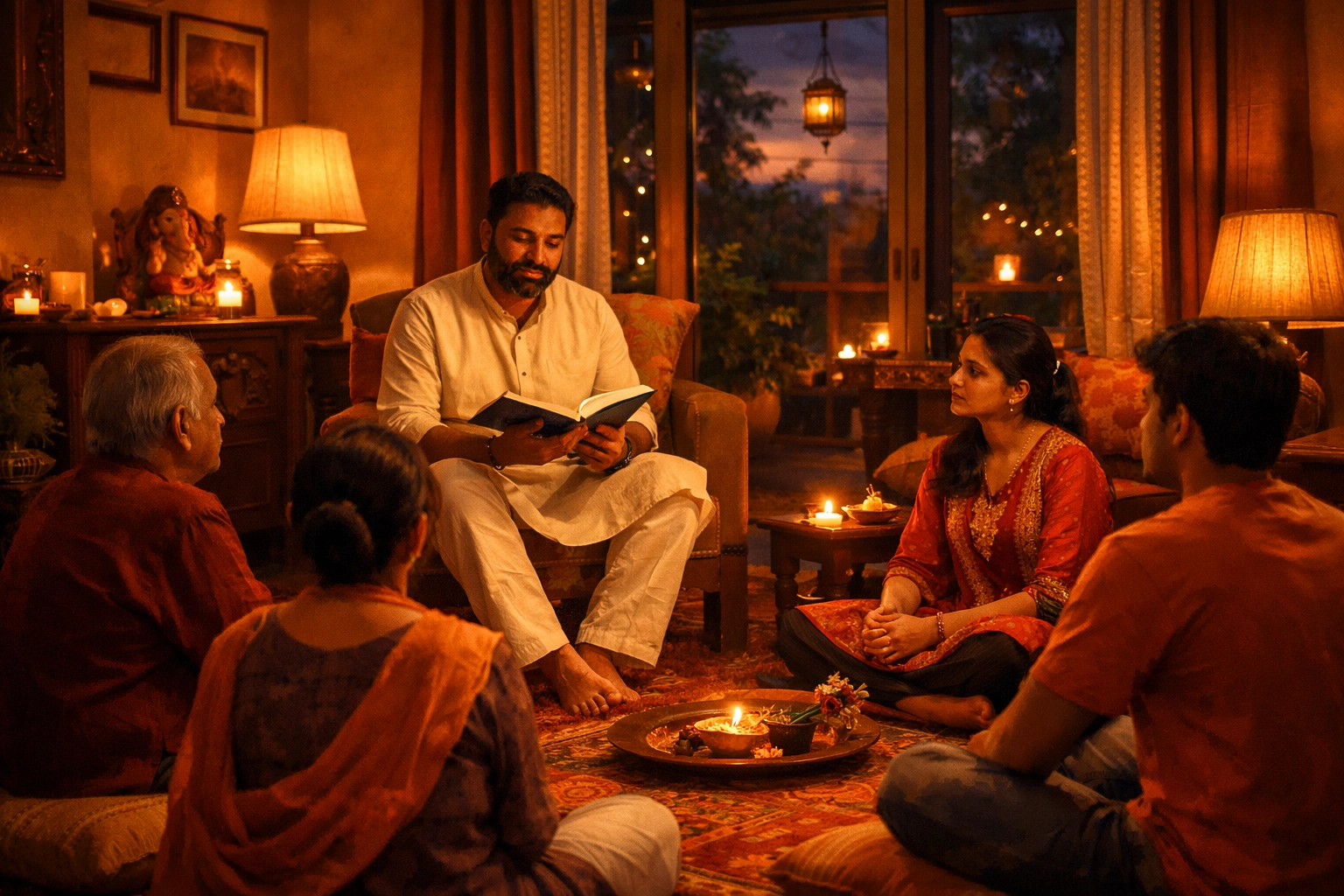
From an Assemblies of God perspective, we value the "priesthood of all believers." This means that the presence of God isn't restricted to a specific holy building or a professional clergy. Wherever two or three are gathered in His name, He is there. This court ruling in India protects that fundamental spiritual truth: the Holy Spirit moves in living rooms just as powerfully as He moves in grand tabernacles.
We believe in the Great Commission: the call to share the hope of Christ with the world. This legal protection allows our brothers and sisters in India to continue that work in the most natural, relational way possible: by inviting neighbors into their homes for prayer and fellowship.
The Response: Peace, Unity, and Prayer
How should we respond to this news? As "peace-bringers," we don't use legal victories as a way to boast or to create further division. Instead, we celebrate the protection of human dignity. Every person, regardless of their faith, should have the right to speak to God in the privacy of their own home without fear of the state knocking on the door.
We stand in solidarity with our Indian brothers and sisters. They are often living out the Gospel in environments that are far more challenging than what many of us experience. Their resilience is a testimony to the power of the Spirit.

Our posture is one of respect for the laws of the land, as Scripture instructs us to pray for those in authority. We are grateful for a judiciary that upholds the core values of the Indian Constitution, ensuring that "freedom of religion" remains a lived reality rather than just a dusty paragraph in a law book.
Calm Next Steps
We invite you to join us in a moment of intentional prayer for this situation. Here is how you can focus your heart today:
Pray for the Judiciary: Ask God to continue to give wisdom and courage to the judges in India as they navigate complex constitutional questions. Pray that they would remain committed to justice and the protection of the vulnerable.
Pray for Safety: Pray for the home-based fellowships across Uttar Pradesh. Ask for God’s protection over the families who open their doors for prayer. Pray that they would be "wise as serpents and innocent as doves" as they navigate their local communities.
Pray for Peace: Ask the Lord to soften the hearts of those who have opposed these meetings. Pray that the presence of these praying believers would bring peace, blessing, and healing to their neighborhoods.
Pray for the Global Church: Let this be a reminder to us not to take our own religious freedoms for granted. Use this news as a catalyst to stir up a greater hunger for prayer in your own home.
The home is a sanctuary. It is a place of refuge, a place of growth, and a place where the light of the Gospel can shine brightly. We are encouraged to see that, legally speaking, that light has been given more room to burn in India.

Need prayers? Text us day or night at 1-901-213-7341.
Share this to bring a little hope to someone’s day.
Source: Reuters, India Legal News, The Hindu

$50
Product Title
Product Details goes here with the simple product description and more information can be seen by clicking the see more button. Product Details goes here with the simple product description and more information can be seen by clicking the see more button

$50
Product Title
Product Details goes here with the simple product description and more information can be seen by clicking the see more button. Product Details goes here with the simple product description and more information can be seen by clicking the see more button.
$50
Product Title
Product Details goes here with the simple product description and more information can be seen by clicking the see more button. Product Details goes here with the simple product description and more information can be seen by clicking the see more button.
Comments