The Shadow of Escalation: A Call to Prayer for Israel and Gaza
- Dr. Layne McDonald
- Mar 10
- 6 min read

Tuesday, March 10, 2026. This morning, the world woke up to headlines that many of us had hoped and prayed we would never see again. The fragile peace that had been tenuously held together by international diplomacy for several months has fractured. What started as localized skirmishes has now spiraled into a regional escalation that threatens to pull the entire Middle East into a wider conflict.
In the early hours of this morning, Hezbollah launched a significant barrage of rockets that reached deep into central Israel. For the first time in this current cycle of violence, sirens echoed through the streets of Tel Aviv and surrounding suburbs, sending families into bomb shelters. In response, the Israeli military has expanded its operations, conducting strikes on broader targets in Beirut and, most significantly, in Tehran.
The geopolitical map is shifting rapidly, and with it, the safety of millions of innocent people is being cast into the shadow of uncertainty. At The McReport, our heart is to look past the political posturing and the military strategies to see the human faces caught in the crossfire. We are here to process this through the lens of faith, focusing on truth, compassion, and the urgent need for prayer.
The Facts: A Region on the Brink
The data coming in from the field is sobering. On March 10, 2026, the Israel-Gaza conflict has officially moved beyond its borders. The escalation involves multiple fronts, making the delivery of humanitarian aid: already a logistical nightmare: nearly impossible.
In Gaza, the humanitarian situation remains dire. Restricted access to food, clean water, and medical supplies has created a crisis that humanitarian groups are calling catastrophic. While a ceasefire had been signed back in October 2025, it remained fragile, plagued by sticking points such as the disarmament of Hamas and the withdrawal of troops from the "Yellow Line."
The strategic analysts we follow are sounding the alarm. They emphasize that the risk of an all-out regional war is no longer a "what if" scenario; it is a "right now" reality. When strikes reach Tehran, the stakes change. The international community is scrambling to find a diplomatic off-ramp, but as of this morning, the drums of war are beating louder than the calls for peace.
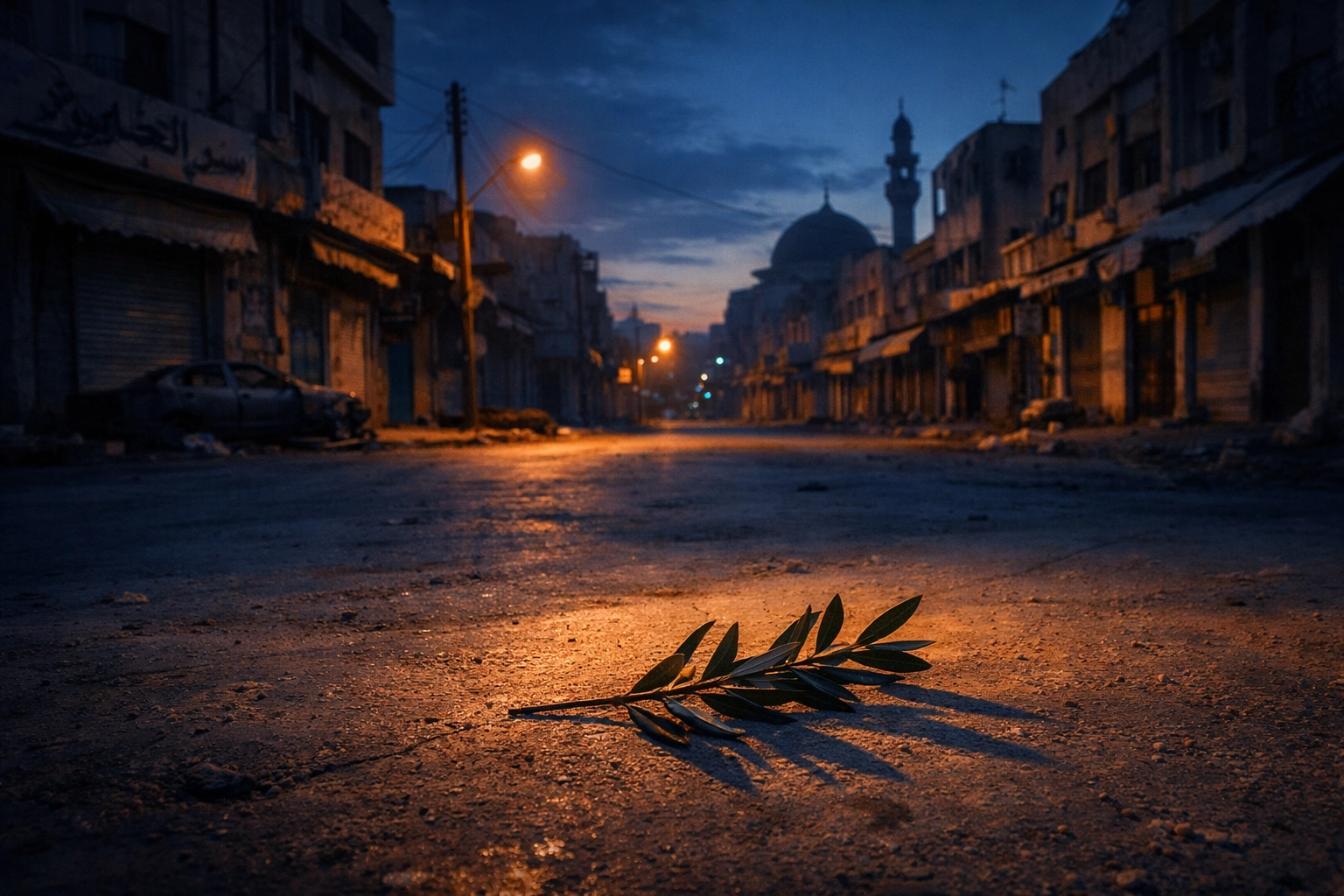
The Human Cost of Strategy
Behind every strike and every rocket launch, there are people. There are mothers in Gaza trying to find bread for their children. There are elderly residents in Tel Aviv who lived through previous wars and are now facing new fears. There are believers in Beirut and Tehran who are trying to be a light in a very dark hour.
Humanitarian groups have issued an urgent plea for an immediate ceasefire. They argue that without a pause in hostilities, the civilian death toll will rise exponentially, not just from direct combat, but from the collapse of the systems that sustain life: hospitals without power, cities without water, and a generation of children without safety.
The Lens: Seeking Peace in a Broken World
As a community of faith, specifically through our Assemblies of God (AG) heritage, we look at these events with a heavy heart but a grounded spirit. We believe in the power of the Holy Spirit to bring comfort where there is none and to provide wisdom to leaders who seem to have run out of options.
Our primary biblical grounding for this situation comes from Psalm 122:6: "Pray for the peace of Jerusalem: 'May those who love you be secure.'"
Praying for the peace of Jerusalem is not just a political stance; it is a spiritual mandate. It is a prayer for the protection of the city, its people, and the surrounding regions. It is a cry for God's divine intervention in a land that is holy to so many, yet has seen so much bloodshed.
However, we also look to the words of Jesus in Matthew 25:35: "For I was hungry and you gave me something to eat, I was thirsty and you gave me something to drink, I was a stranger and you invited me in."
This verse reminds us that our compassion cannot be one-sided. God's heart breaks for the hungry child in Gaza just as much as it does for the frightened family in Israel. As followers of Christ, we are called to see the "least of these" in every nation. We cannot let national borders or political alliances blind us to the suffering of fellow human beings created in the image of God.
In the AG tradition, we also live with the awareness of the "blessed hope": the Second Coming of Christ. This doesn't mean we sit back and watch the world burn. Rather, it gives us an urgency to be peacemakers and to share the Gospel of peace while we still have time. We believe that ultimate peace will only come when the Prince of Peace returns, but until then, we are His hands and feet.
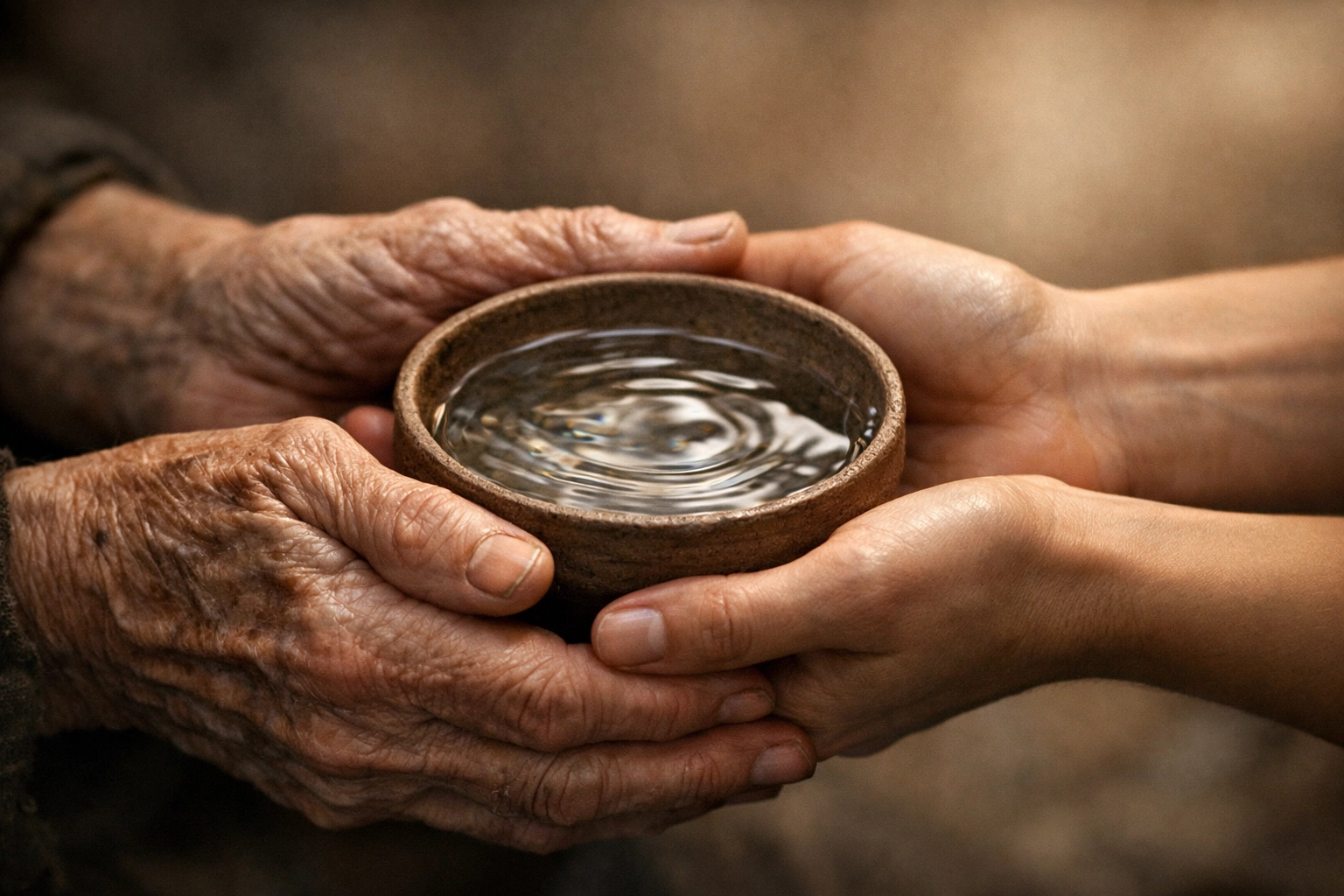
A Posture of Unity
In times of war, the world wants you to pick a side and dehumanize the other. Social media feeds are filled with vitriol, mocking those who suffer if they happen to live on the "wrong" side of a border.
At The McReport, we refuse that posture. We refuse to mock, and we refuse to dehumanize.
Our posture is one of unity in prayer. We pray for the safety of every innocent life. We pray for the Israeli soldier, the Palestinian civilian, the Lebanese family, and the Iranian believer. When we dehumanize a person, we are ignoring the Spark of Divinity within them. We choose instead to see every person caught in this crossfire as someone for whom Christ died.
The escalation we are seeing is a "shadow," but we know that shadows only exist where there is a light. Our job is to find that light and point others toward it.
The Remnant Church: A Light in the Darkness
One of the most important things we can do right now is to pray for the "remnant" church in the Middle East. There are vibrant, Spirit-filled communities of believers in Israel, Gaza, the West Bank, Lebanon, and Iran. These brothers and sisters are often the unsung heroes of these conflicts.
They are the ones opening their doors to neighbors, regardless of their background. They are the ones sharing their meager rations and offering a word of hope when everything feels hopeless. They are the light in the darkness.
We pray for their protection. We pray that they would have the "peace that passes all understanding" to guard their hearts and minds. We pray that the Holy Spirit would embolden them to be agents of reconciliation in a climate of hatred.

The Response: Our Calm Next Step
It is easy to feel paralyzed by the news. The scale of the conflict feels overwhelming. But we are not called to be paralyzed; we are called to be prayerful and proactive.
1. Pray for Peace. Make Psalm 122:6 your daily prayer. Ask God to supernaturally intervene in the hearts of leaders in Israel, Gaza, Iran, and Lebanon. Pray for a "quieting of the storms."
2. Pray for the Remnant. Specifically lift up the pastors and believers in the conflict zones. Ask that they would be protected and provided for, and that their witness would be powerful.
3. Support Trusted Relief. While aid is restricted, there are organizations with deep roots in the region that are finding ways to get help to those who need it most. Seek out trusted, Christ-centered relief agencies that are providing food, medicine, and trauma care to all sides of the conflict.
4. Guard Your Heart. Don't let the anger of the world infect your spirit. Stay informed, but stay focused on the character of God. He is still on the throne, even when the earth gives way.
The escalation of March 10, 2026, is a call to the global church to wake up and intercede. We don't know what tomorrow holds, but we know Who holds tomorrow. Let’s be a people who choose prayer over panic and compassion over contempt.

A Final Thought
The Middle East is often called the "cradle of civilization." Today, it feels like the center of a storm. But remember, Jesus walked on the water in the middle of a storm. He spoke "Peace, be still," and the wind and waves obeyed Him.
We serve that same Jesus today. Let’s trust Him to be the anchor for our souls and the source of peace for a region in desperate need.
Source: Reuters, AP, Strategic Intelligence Reports
Need prayers? Text us day or night at 1-901-213-7341.
Follow at LayneMcDonald.com for calm updates as this story develops.

$50
Product Title
Product Details goes here with the simple product description and more information can be seen by clicking the see more button. Product Details goes here with the simple product description and more information can be seen by clicking the see more button

$50
Product Title
Product Details goes here with the simple product description and more information can be seen by clicking the see more button. Product Details goes here with the simple product description and more information can be seen by clicking the see more button.
$50
Product Title
Product Details goes here with the simple product description and more information can be seen by clicking the see more button. Product Details goes here with the simple product description and more information can be seen by clicking the see more button.
Comments