
The Simple 5-Step Christian Forgiveness Framework That Actually Works (Even for Deep Hurts)
- Dr. Layne McDonald
- Dec 10, 2025
- 5 min read

Updated: May 5
Forgiveness sounds beautiful in Sunday sermons, but when someone has shattered your trust, broken your heart, or destroyed something precious to you, those well-meaning words can feel hollow. You've probably heard "just forgive and move on" more times than you can count, yet the pain still sits heavy in your chest every morning.
The truth is, forgiveness isn't a magic wand that instantly erases deep wounds. It's a process: one that requires both spiritual wisdom and practical steps. After years of counseling hurting hearts, I've discovered that most people struggle with forgiveness because they don't have a clear roadmap for navigating the journey from pain to freedom.
That's exactly what this framework provides: a biblical, step-by-step process that acknowledges the depth of your hurt while guiding you toward genuine healing.
What Forgiveness Actually Is (And What It's Not)
Before diving into the steps, we need to clear up some dangerous misconceptions that keep people trapped in cycles of pain and guilt.
Forgiveness does NOT mean:
Approving or excusing what happened to you
Pretending the offense was "no big deal"
Automatically reconciling the relationship
Forgetting what occurred
Putting yourself back in harm's way
Bypassing the need for justice or accountability
True forgiveness IS:
Releasing your right to revenge
Choosing to let God handle the justice
Freeing yourself from the prison of bitterness
Opening your heart to healing
Trusting God's timing and wisdom
Understanding this distinction removes the pressure to "feel better" immediately and gives you permission to heal at a healthy pace.

The 5-Step Framework for Deep Healing
Step 1: Get Brutally Honest with God
Most of us try to sanitize our pain when we pray, but God can handle your raw emotions. In fact, He's waiting for your honesty.
Pour out everything: the anger, the hurt, the desire for revenge, even the ugly thoughts you're ashamed to admit. Tell God exactly how you feel about the person who hurt you and what you wish would happen to them. Don't hold back.
Practical application:
Find a private space where you can speak freely
Write in a journal if verbal expression feels difficult
Make a complete inventory of the damage: emotional, relational, financial, spiritual
Ask God to help you see the full extent of what was taken from you
This isn't about wallowing in pain: it's about inviting God into the messy reality of your hurt so He can begin His healing work.
Step 2: Choose Forgiveness as an Act of Will
Here's where most people get stuck: they wait to "feel" forgiving before they actually forgive. But with deep hurts, feelings often lag far behind decisions.
Forgiveness begins as a choice, not an emotion. You can make the decision to release the debt while your heart is still processing the pain.
What this sounds like: "God, I choose to forgive [name] for what they did to me. I don't feel it yet, but I'm making this decision by faith. I release my right to revenge and place this situation in Your hands."
Signs your forgiveness is taking root:
You can think about the person without your stomach clenching
You stop rehearsing the offense mentally
You can mention their name without venom in your voice
You begin to feel genuinely lighter
Step 3: Pray for Your Offender's Good
This step often makes people recoil, but it's the key that unlocks the prison door. When you genuinely pray for someone's blessing (not their punishment), something shifts in your own heart.
Start small if you need to. Maybe you can only pray that God would work in their life. As you heal, you might find yourself praying for their genuine repentance, their relationships, even their success.
Why this works:
It breaks the cycle of mental revenge
It aligns your heart with God's heart
It demonstrates that you've truly released them
It opens the door for supernatural healing in your own life
Practical tip: Try praying this way for 30 days and notice how your own heart changes.
Step 4: Establish Healthy Boundaries
Many Christians confuse forgiveness with foolishness. You can completely forgive someone and still protect yourself from future harm.
Think of it as being "available but protected": you've released the past offense, but you're also wise about future interactions.
This might look like:
Limiting contact or going no-contact if necessary
Not sharing vulnerable information with someone who's proven untrustworthy
Setting clear expectations about behavior you'll accept
Having accountability in place if you must maintain a relationship
Remember: reconciliation requires two willing parties and rebuilt trust. Forgiveness only requires you.

Step 5: Embrace the Ongoing Journey
Forgiveness isn't a one-time event: it's a process that unfolds over time. Some days will be harder than others. You might need to re-choose forgiveness when painful memories resurface or when you encounter new situations that trigger old wounds.
Give yourself grace in this process. Healing happens in layers, and God is patient with your timeline.
Signs you're making progress:
The heavy feeling in your chest begins to lift
You can genuinely wish good things for the person
You feel freer to pursue your own goals and relationships
You can share your story without seeking to vilify the other person
Peace begins to replace bitterness
Practical Tools for the Journey
When forgiveness feels impossible:
Remember that God commands what He also empowers
Ask for the grace to forgive rather than trying to manufacture it yourself
Focus on your own freedom rather than the other person's response
Seek support from mature believers who can walk with you
When you feel like you're going backward:
Acknowledge that healing isn't always linear
Return to Step 1 and get honest with God again
Remember that feeling the pain doesn't mean you haven't forgiven
Consider whether professional Christian counseling might help
Your Freedom Awaits
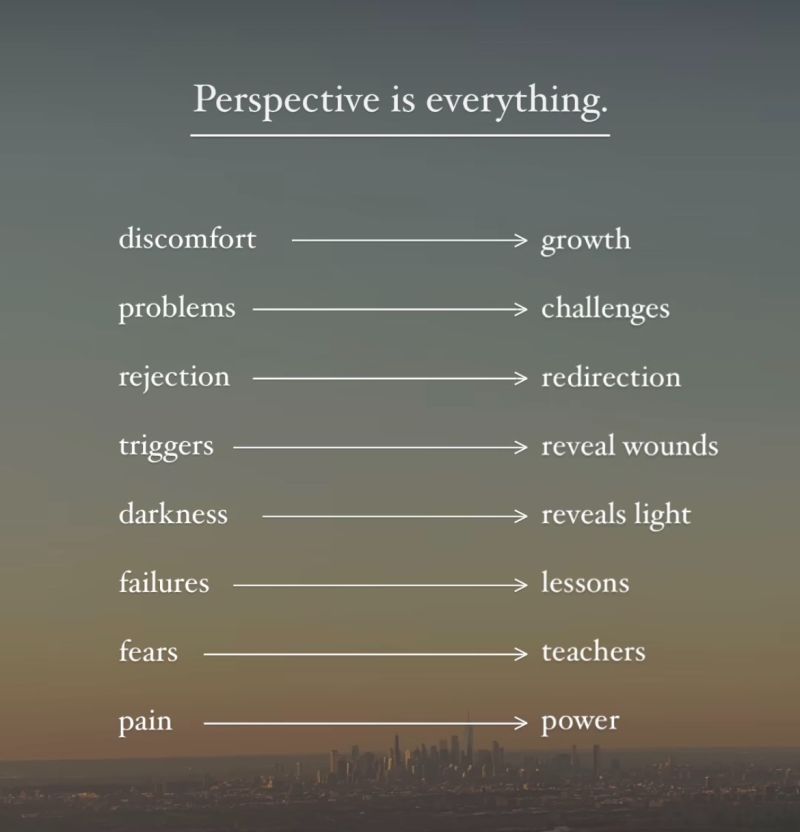
Deep hurts require deep healing, and deep healing takes time. But every step toward forgiveness is a step toward the freedom God has for you. You don't have to carry this burden forever. You don't have to let someone else's choices define the rest of your story.
Forgiveness is ultimately a gift you give yourself: it's how you get unstuck, break free, and move forward into the abundant life Christ promised.
The person who hurt you may never apologize, change, or even acknowledge what they did. But your healing doesn't depend on their response. It depends on your willingness to walk this path with God, one step at a time.
Ready to dive deeper into your healing journey? My book "Healing & Forgiveness Through Christ" provides additional biblical insights and practical tools for processing deep wounds. You can also explore our coaching services for personalized support as you navigate forgiveness and reclaim your life. Remember: you don't have to walk this road alone: God has provided both His presence and His people to support you every step of the way.
If you want to learn more about Layne McDonald, his works, and media, visit www.laynemcdonald.com. Layne is the online church pastor for Boundless Online—made possible by famemphis.org/connect.
Comments