
TikTok could be forced to change app's 'addictive design' by European Commission
- Dr. Layne McDonald
- Feb 6
- 6 min read

"All things are lawful for me," but not all things are helpful… "I will not be dominated by anything." (1 Corinthians 6:12)
What happened
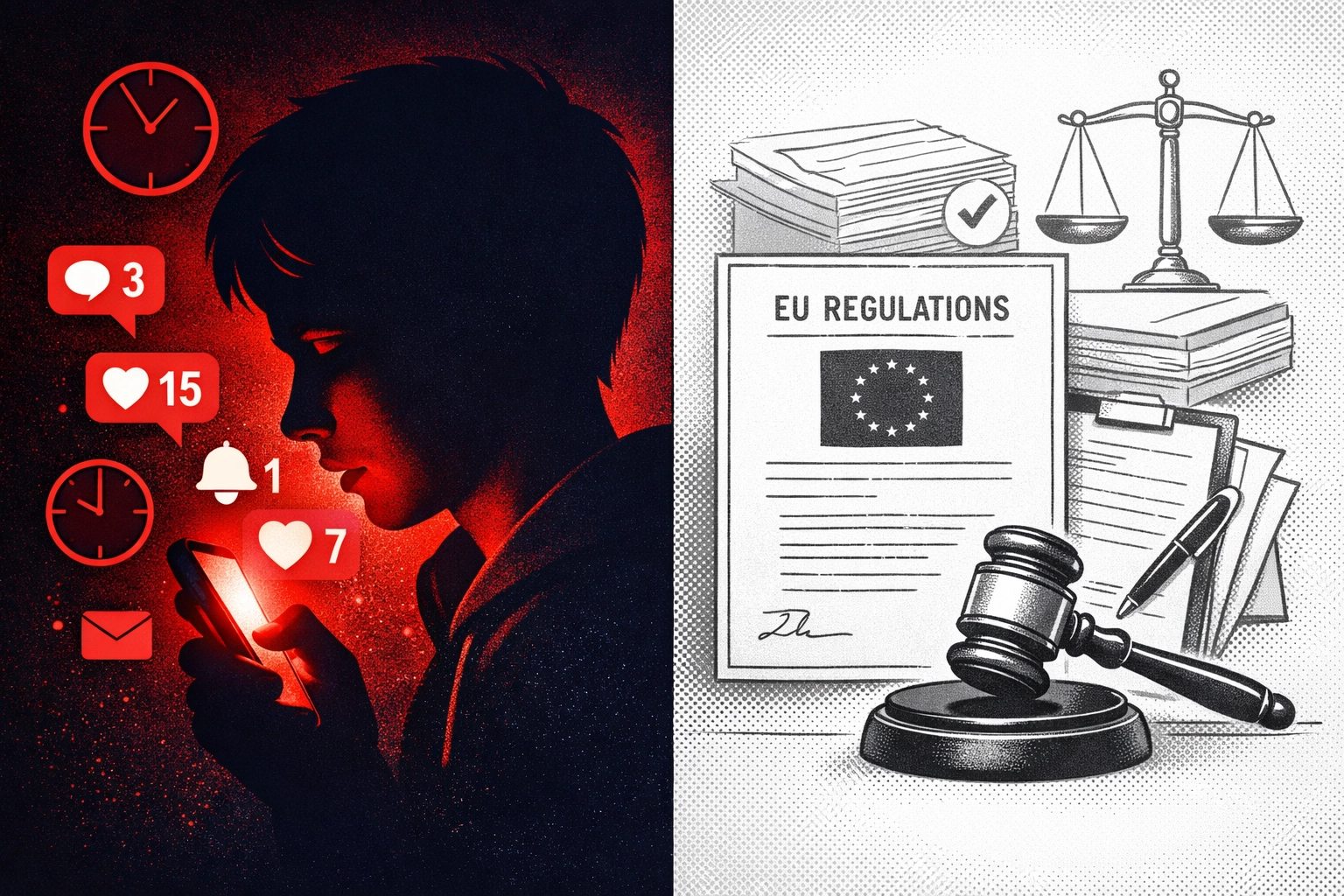
The European Commission issued a preliminary ruling stating that TikTok may have breached the EU's Digital Services Act (DSA) due to what regulators called "addictive design" features built into the platform.
The Commission said TikTok had not adequately assessed how its design features could harm users' physical and mental wellbeing, including children and vulnerable adults. Specific concerns centered on infinite scroll, autoplay, push notifications, and AI-powered content recommendation systems that work together to encourage compulsive use.
According to the Commission's investigation, TikTok reaches 170 million users in the EU. The platform is the most-used social media app after midnight by children aged 13 to 18, and 7% of children between 12 and 15 spend four to five hours daily on the platform.
The Commission said potential remedies could include disabling infinite scroll, implementing effective mandatory screen time breaks that cannot be easily bypassed, and overhauling video recommendation algorithms to reduce compulsive engagement patterns.

The findings are preliminary, and TikTok has the opportunity to respond in writing with its own proposed solutions. If the Commission confirms its findings in a final decision, TikTok could face penalties reaching up to 6% of its global annual turnover: potentially billions of euros.
TikTok rejected the findings as "categorically false and entirely meritless" and stated it will "take whatever steps are necessary to challenge these findings through every means available." The company maintains it offers numerous tools for users to make their own decisions about screen time, including a one-hour daily screen time limit for users aged 13 to 17, sleep mode reminders, and parental controls through its "Family Pairing" tool.
However, the Commission found these existing measures insufficient, noting that screen time alerts are "easy to dismiss" and parental controls "require additional time and skills from parents to introduce," placing unrealistic burdens on families.
Why it matters
This case represents one of the first major tests of the EU's Digital Services Act, which came into force in 2023 to hold large tech platforms accountable for how their design choices affect users: especially vulnerable populations like children.
The outcome could reshape how social media platforms operate across Europe and potentially set a precedent for other jurisdictions wrestling with similar concerns about digital wellbeing and platform accountability.
For families, the ruling acknowledges what many parents already feel: that keeping children safe online shouldn't require a computer science degree or constant vigilance against increasingly sophisticated engagement tactics.
"Look carefully then how you walk, not as unwise but as wise, making the best use of the time." (Ephesians 5:15–16)
What different sides are saying
Regulator perspective: Platforms should reduce design features that encourage compulsive use, especially for minors, and demonstrate clear risk mitigation. The Commission argues that companies have a responsibility to assess and address harms their products may cause, rather than placing the entire burden on individual users and families to resist professionally designed engagement systems.
Company and free-expression perspective: TikTok and other platforms argue their tools already include substantial controls and that regulators may mischaracterize how products work or overreach into business operations. They maintain that users value infinite scroll and personalized recommendations as core features that make the platform enjoyable and useful. TikTok contends it has invested heavily in safety features and that further regulation could stifle innovation.
Digital wellbeing advocates: Groups focused on tech ethics and mental health generally support stronger guardrails, pointing to research linking excessive social media use with anxiety, depression, sleep disruption, and attention problems: particularly among adolescents whose brains are still developing.
Parents and educators: Many express relief that regulators are taking action, describing an exhausting arms race trying to manage children's screen time against platforms designed by teams of engineers specifically to maximize engagement. Others worry about government overreach or doubt that regulatory changes alone can solve deeper cultural issues around technology use.
Biblical lens
Scripture consistently calls us to steward our time, attention, and hearts with wisdom and intentionality.
"Teach us to number our days that we may get a heart of wisdom." (Psalm 90:12)
The Bible doesn't condemn technology or entertainment: but it does warn against being mastered by anything that competes for the devotion and focus we owe to God and to loving others well.
"The simple believes everything, but the prudent gives thought to his steps." (Proverbs 14:15)
When design features are specifically engineered to bypass our conscious decision-making and create compulsive patterns, we should ask honest questions: Are we using these tools, or are they using us? Are we making choices, or are we on autopilot?
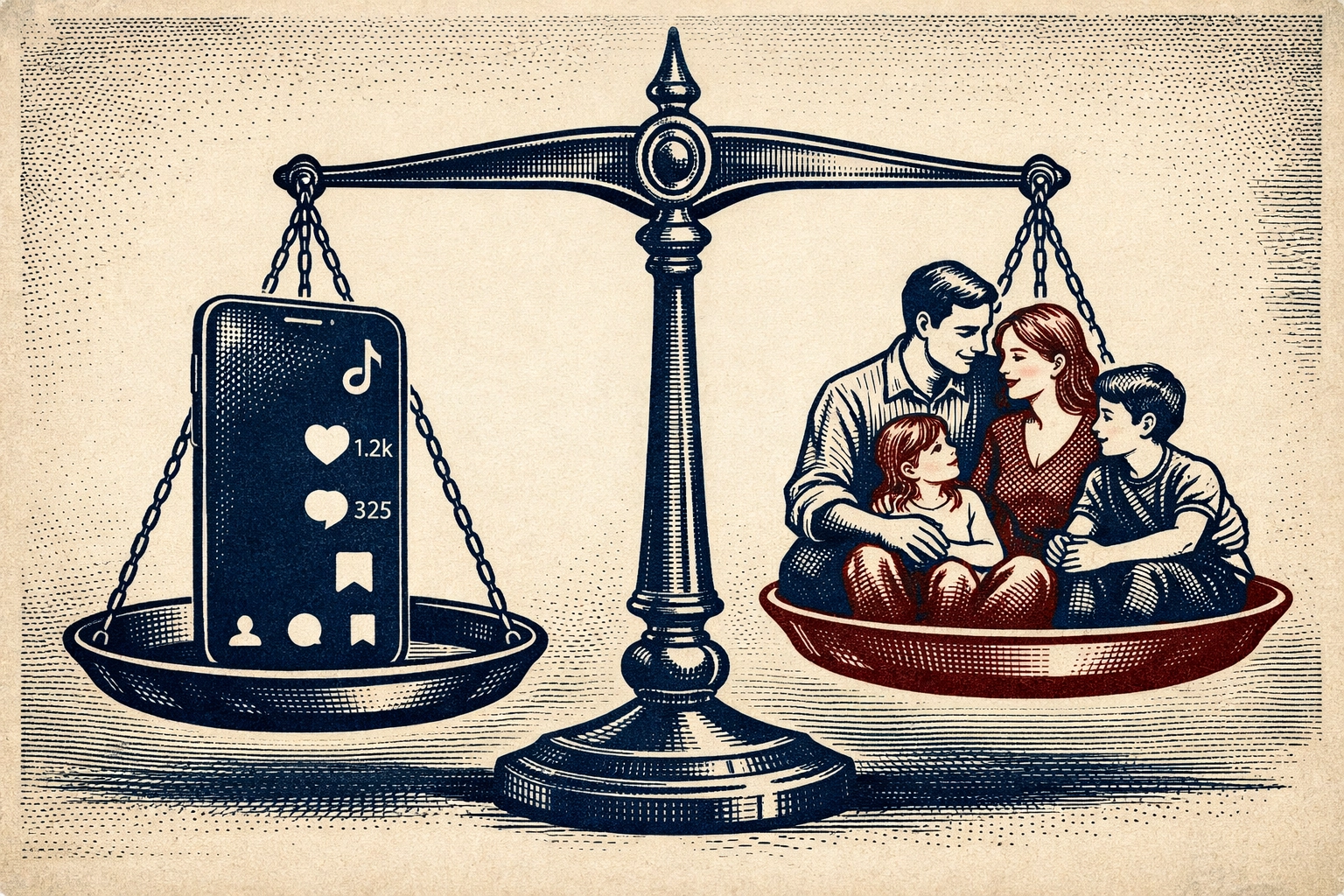
This isn't about demonizing TikTok or social media broadly. Many people find genuine connection, creativity, education, and joy through these platforms. The issue is when design choices prioritize maximum engagement over user wellbeing: when the business model depends on keeping people scrolling past the point of healthy use.
"Test everything; hold fast what is good." (1 Thessalonians 5:21)
For Christian parents and leaders, this situation calls for both wisdom and compassion. Wisdom means setting clear boundaries, modeling healthy tech habits, and refusing to let shame or peer pressure override what we know protects our families. Compassion means recognizing that children (and adults) aren't failures for struggling with platforms designed by entire teams to be hard to resist.
Christian response
Here's the practical truth: we don't have to wait for regulators or companies to act. We can take steps today.
If you use TikTok or similar platforms:
Set a daily time limit through your phone's screen time settings, not just the app's built-in tool
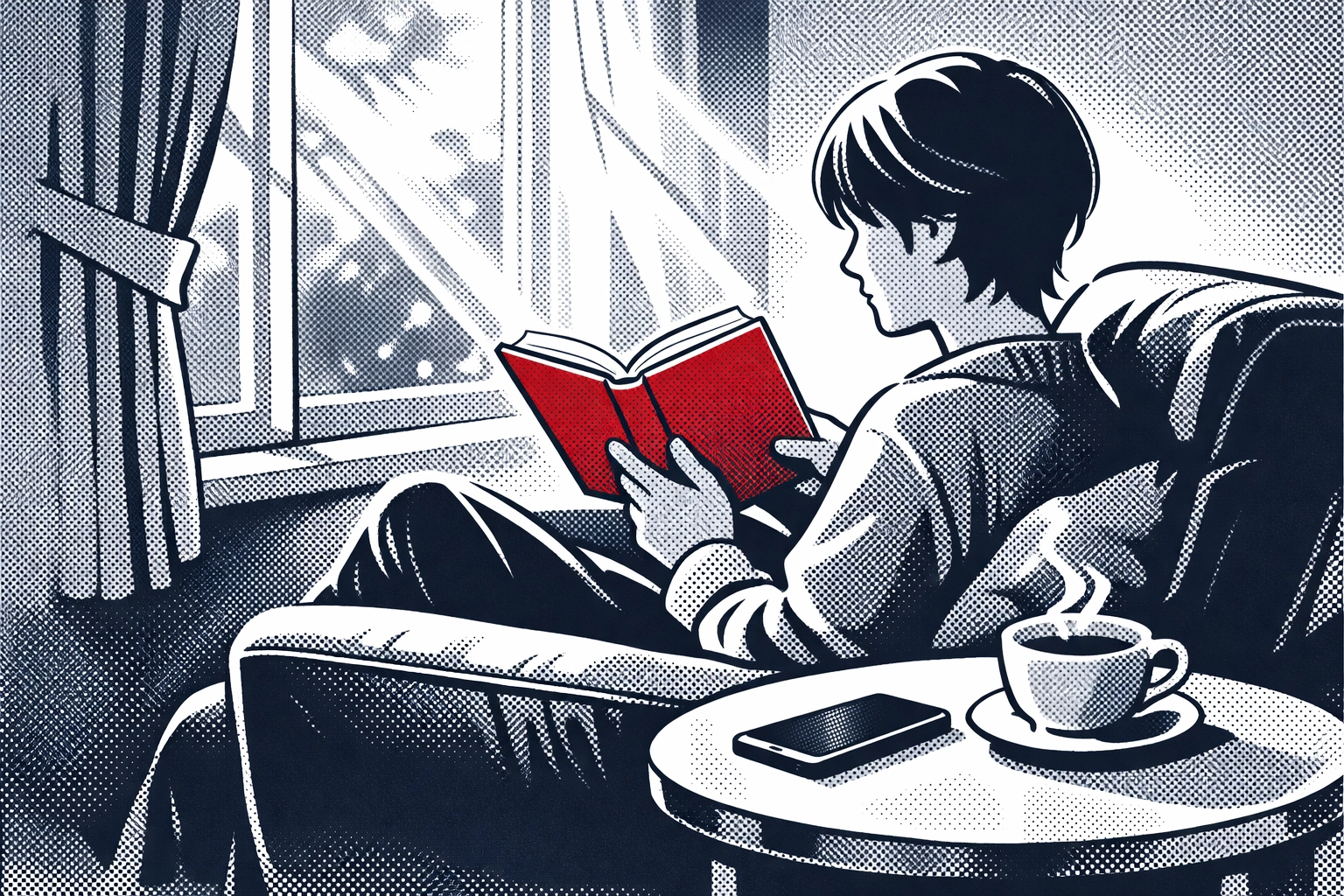
Remove the app from your home screen so accessing it requires an intentional choice
Disable push notifications
Schedule specific times to check the app rather than scrolling mindlessly throughout the day
Ask yourself regularly: "Is this serving me, or am I serving it?"
If you're a parent:
Review screen time and parental controls on your child's devices: and keep the conversations calm and consistent
Establish tech-free zones and times (meals, bedrooms, first and last hour of the day)
Model the boundaries you want to see; kids watch how we use our phones
Build in alternative activities that offer what social media promises: connection, creativity, belonging
Remember that shame doesn't change behavior; relationship and clear expectations do
If you're a leader or employer:
Consider how your organization's own digital tools and communication expectations might contribute to compulsive checking behaviors
Build margin into schedules and expectations: constant connectivity isn't a virtue
Encourage people toward offline hobbies, face-to-face community, and rest
"Come to me, all who labor and are heavy laden, and I will give you rest." (Matthew 11:28)
The deeper invitation here isn't just about TikTok. It's about recognizing that we were made for more than endless content consumption. We were made for presence: with God, with each other, with our own thoughts and hearts.
That doesn't mean abandoning social media entirely (though for some people, a season of stepping away brings tremendous peace). It means refusing to let any platform, algorithm, or company determine how we spend our one wild and precious life.
Prayer
Gracious God, You who made us for connection and creativity, help us steward our time and attention as the gifts they are. Give parents wisdom and courage to set boundaries with compassion. Give young people the strength to resist what's designed to be irresistible. Give leaders and companies the integrity to choose user wellbeing over maximum engagement. And give all of us the discernment to know when we're being used rather than using wisely. May our lives overflow with the kind of presence and peace that no algorithm can manufacture. Amen.
Your next step
If you use TikTok (or any short-video app), try one small boundary today: set a time limit, remove notifications, or put the app off your home screen. Notice what happens when you reclaim even 15 minutes of your day for something that feeds your soul instead of just filling time.
If you're a parent, start one conversation this week: not with accusations or fear, but with curiosity. Ask your child what they love about the platform, what they notice about how it makes them feel, and what one boundary they'd be willing to try together.
Small, steady steps matter more than perfect execution.
"For God is not a God of confusion but of peace." (1 Corinthians 14:33)
If you're feeling stuck: angry, exhausted, or struggling to forgive: you're not alone. If you want help finding your center and peace, you can reach me at www.laynemcdonald.com.
Source: The Guardian
Comments