Your 8 AM Peace Brief: How to Start the Day Informed Without the Anxiety
- Layne McDonald
- Feb 21
- 5 min read

Let's be honest: waking up and immediately scrolling through news feeds is like starting your day with a fire hose of chaos pointed directly at your brain. You roll over, grab your phone, and within seconds you're confronted with breaking news, political drama, global crises, and algorithm-driven outrage: all before your first cup of coffee.
No wonder so many people feel anxious before they even get out of bed.
But here's the tension: as followers of Christ, we're called to be informed, engaged citizens who understand the world around us. We can't just stick our heads in the sand. So how do you stay informed without letting the morning news cycle hijack your peace?
That's what we're tackling today. Think of this as your roadmap for creating what I call the "8 AM Peace Brief": a way to start your day grounded, informed, and anchored in truth rather than tossed around by anxiety.
The Problem With How We Consume Information

The average person checks their phone within five minutes of waking up. For many, it's the very first thing they do: before prayer, before coffee, before even processing that they're conscious.
This habit creates what researchers call "reactive mode." Instead of intentionally setting the tone for your day, you're letting algorithms, headlines, and notifications dictate your emotional state from the moment you wake up. Your cortisol levels spike. Your mind races. And suddenly, before you've even brushed your teeth, you're carrying the weight of a dozen problems you can't immediately solve.
The news cycle operates on a simple principle: urgency sells. Everything is breaking. Everything demands your immediate attention. Everything feels like a crisis. And while some stories genuinely matter, the delivery system is designed to keep you scrolling, not to keep you sane.
Here's what's interesting: staying informed doesn't require this frantic, anxiety-inducing approach. You can be aware, engaged, and thoughtful about current events without sacrificing your mental and spiritual health.
Building Your 8 AM Peace Brief: A Better Way Forward
So what does a healthier morning information routine actually look like? Let's break it down into practical, sustainable steps.
Step 1: Create a Phone-Free Buffer Zone
The first rule of the 8 AM Peace Brief is simple: delay the information flood. When you wake up, give yourself at least the first 15-30 minutes of the day before consuming any news, social media, or email.
This isn't about ignorance. It's about establishing emotional and spiritual stability first before external information comes rushing in. Think of it as putting on your armor before you step onto the battlefield.
During this buffer zone, focus on grounding practices:
Prayer and Scripture reading
Deep breathing or a few moments of silence
Gratitude journaling
Physical movement (even just stretching)
These practices aren't fluff. They're anchoring your heart and mind in truth before you encounter the noise. When you eventually do consume information, you'll process it from a place of groundedness rather than anxiety.
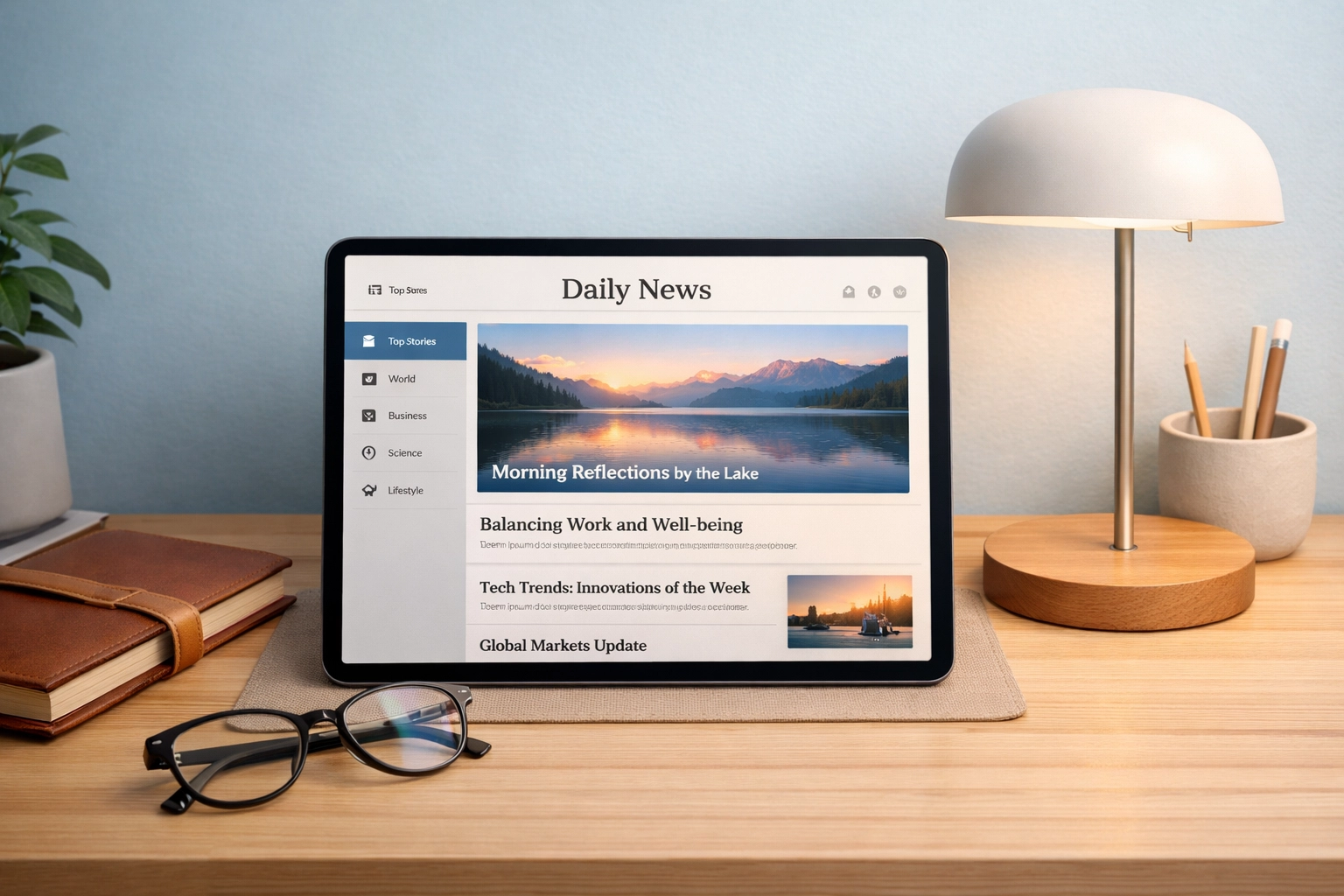
Step 2: Curate Your Information Sources
Not all news sources are created equal. Some are genuinely committed to accuracy and fairness. Others are more interested in clicks, outrage, and partisan spin.
Your 8 AM Peace Brief should include intentionally selected sources that prioritize facts over sensationalism. Look for outlets that:
Clearly distinguish reporting from opinion
Use calm, measured language rather than loaded, emotional rhetoric
Provide context and background, not just headlines
Cover a range of perspectives without tribal cheerleading
Consider subscribing to a single, trustworthy morning newsletter or podcast that summarizes the key stories of the day. This gives you a condensed, efficient way to stay informed without falling down the rabbit hole of endless scrolling.
Step 3: Set Time Boundaries
One of the biggest mistakes people make is consuming news with no time limit. You check one headline, which leads to another article, which leads to a 45-minute doom-scroll through your social media feed.
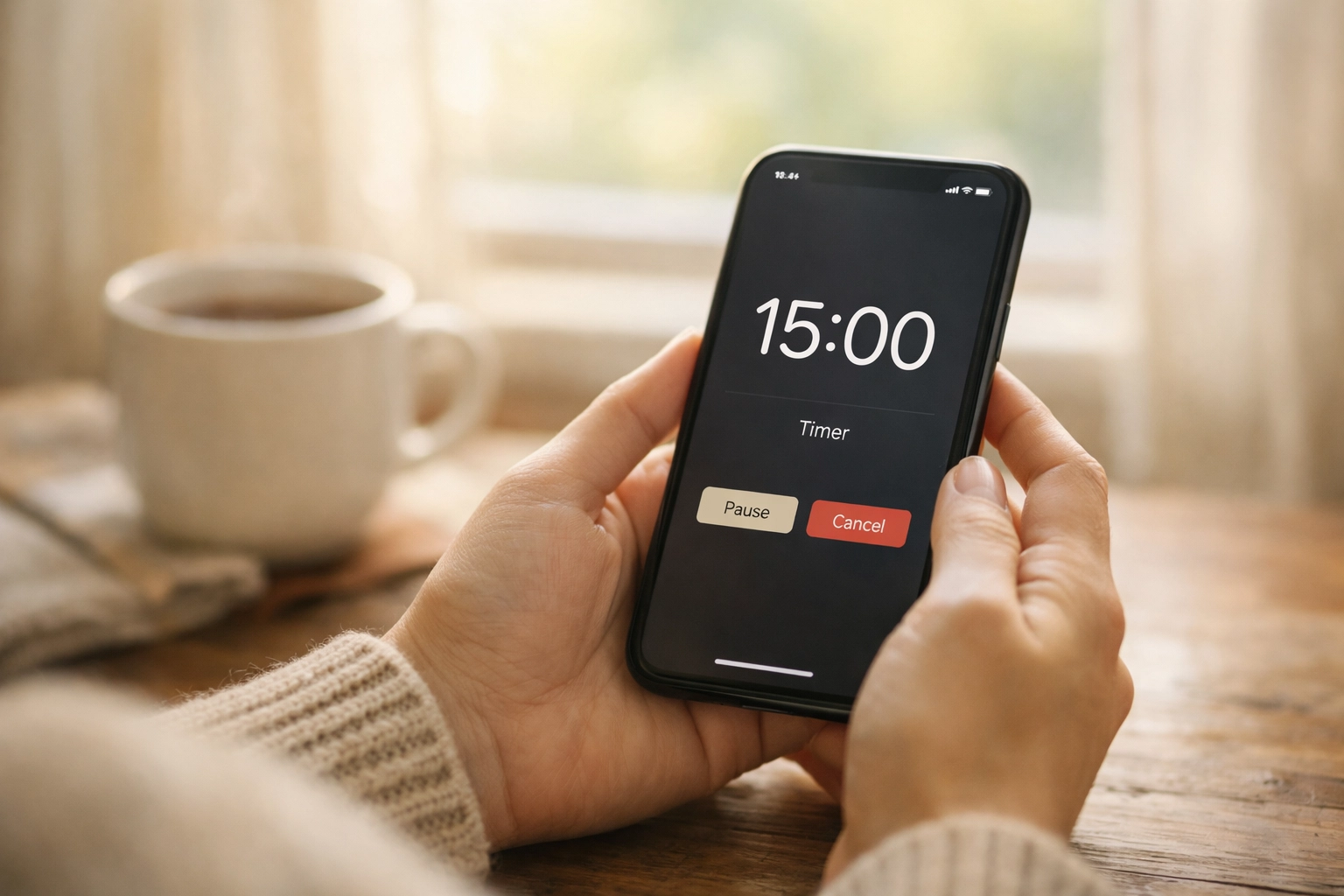
For your 8 AM Peace Brief, set a strict boundary: 15-20 minutes, maximum. Use a timer if you need to. Get the information you need, then move on with your day.
This discipline protects your mental bandwidth for the things that actually matter: your family, your work, your calling, your community. Remember: being informed is important, but it's not your primary identity or purpose.
Step 4: Practice the Pause
Here's a technique borrowed from mindfulness practices that works beautifully for news consumption: the 30-second pause.
After reading a particularly heavy or emotionally charged story, take 30 seconds to breathe and reset before moving to the next one. This simple practice prevents your nervous system from staying in a heightened state of stress.
Inhale slowly for four counts. Hold for four counts. Exhale for six counts. Repeat a few times. This physiological reset helps you process information more calmly and prevents anxiety from compounding throughout your reading.
A Biblical Lens on Information and Peace
Scripture has a lot to say about where we fix our attention and how we guard our hearts. Philippians 4:8 reminds us: "Finally, brothers and sisters, whatever is true, whatever is noble, whatever is right, whatever is pure, whatever is lovely, whatever is admirable: if anything is excellent or praiseworthy: think about such things."
This doesn't mean we ignore hard truths or difficult realities. It means we're intentional about what we allow to shape our thinking. We filter information through the lens of God's truth rather than letting the world's chaos define our reality.
Proverbs 4:23 warns us: "Above all else, guard your heart, for everything you do flows from it." Your morning routine: including how you consume information: is a spiritual discipline. What you allow into your heart and mind first thing in the morning sets the trajectory for your entire day.
As believers in the Assemblies of God tradition, we understand that we're not just physical beings; we're spiritual beings navigating a physical world. That means we need wisdom, discernment, and the Holy Spirit's guidance in everything: including how we engage with the news.
Your Response: Practical Peace Steps
Here's your action plan for implementing the 8 AM Peace Brief starting tomorrow morning:
Tonight, before bed:
Charge your phone outside your bedroom, or at minimum, across the room
Set a physical alarm clock so you're not tempted to grab your phone immediately
Prepare your morning grounding routine (Bible, journal, coffee setup: whatever helps you start calm)
Tomorrow morning:
Wake up and resist the phone for at least 15 minutes
Spend time in prayer and Scripture first
When you're ready to consume news, set a 20-minute timer
Use your curated sources, not social media feeds
Practice the 30-second pause between heavy stories
Close your news consumption with prayer, handing anxieties to God
Remember: you're not less informed by consuming news this way. You're better informed because you're processing information from a place of peace, wisdom, and spiritual grounding rather than reactivity and anxiety.
The goal isn't to disconnect from the world. The goal is to stay connected to the Prince of Peace while engaging with the world He's called us to serve.
Moving Forward With Intention
Creating an 8 AM Peace Brief isn't about perfection. Some mornings you'll nail it. Other mornings you'll grab your phone before your feet hit the floor. That's okay. Extend yourself grace and try again tomorrow.
The key is building a sustainable rhythm that protects your peace while keeping you engaged and informed. You can be aware of what's happening in the world without carrying the weight of the world on your shoulders.
That's God's job, not yours.
Need prayers? Text us day or night at 1-901-213-7341.
Follow along at LayneMcDonald.com for more Christ-centered clarity on staying grounded in an anxious world.

$50
Product Title
Product Details goes here with the simple product description and more information can be seen by clicking the see more button. Product Details goes here with the simple product description and more information can be seen by clicking the see more button

$50
Product Title
Product Details goes here with the simple product description and more information can be seen by clicking the see more button. Product Details goes here with the simple product description and more information can be seen by clicking the see more button.
$50
Product Title
Product Details goes here with the simple product description and more information can be seen by clicking the see more button. Product Details goes here with the simple product description and more information can be seen by clicking the see more button.
Comments