Your Quick-Start Guide to Morning News: Read This First
- Dr. Layne McDonald
- Feb 19
- 4 min read

Let's be honest: opening the news in the morning can feel like stepping into a firehose. Headlines scream from every direction, notifications ping, and before you've had your coffee, you're already stressed about things happening on the other side of the world.
But here's the truth: staying informed doesn't have to be overwhelming. In fact, with a simple framework and just 45 minutes, you can start your day grounded, informed, and ready to engage with the world thoughtfully rather than reactively.
The Facts: How Morning News Actually Works
Most people approach the news all wrong. They scroll endlessly, read everything, and end up exhausted with no clear takeaway. The secret? Structure and selectivity.
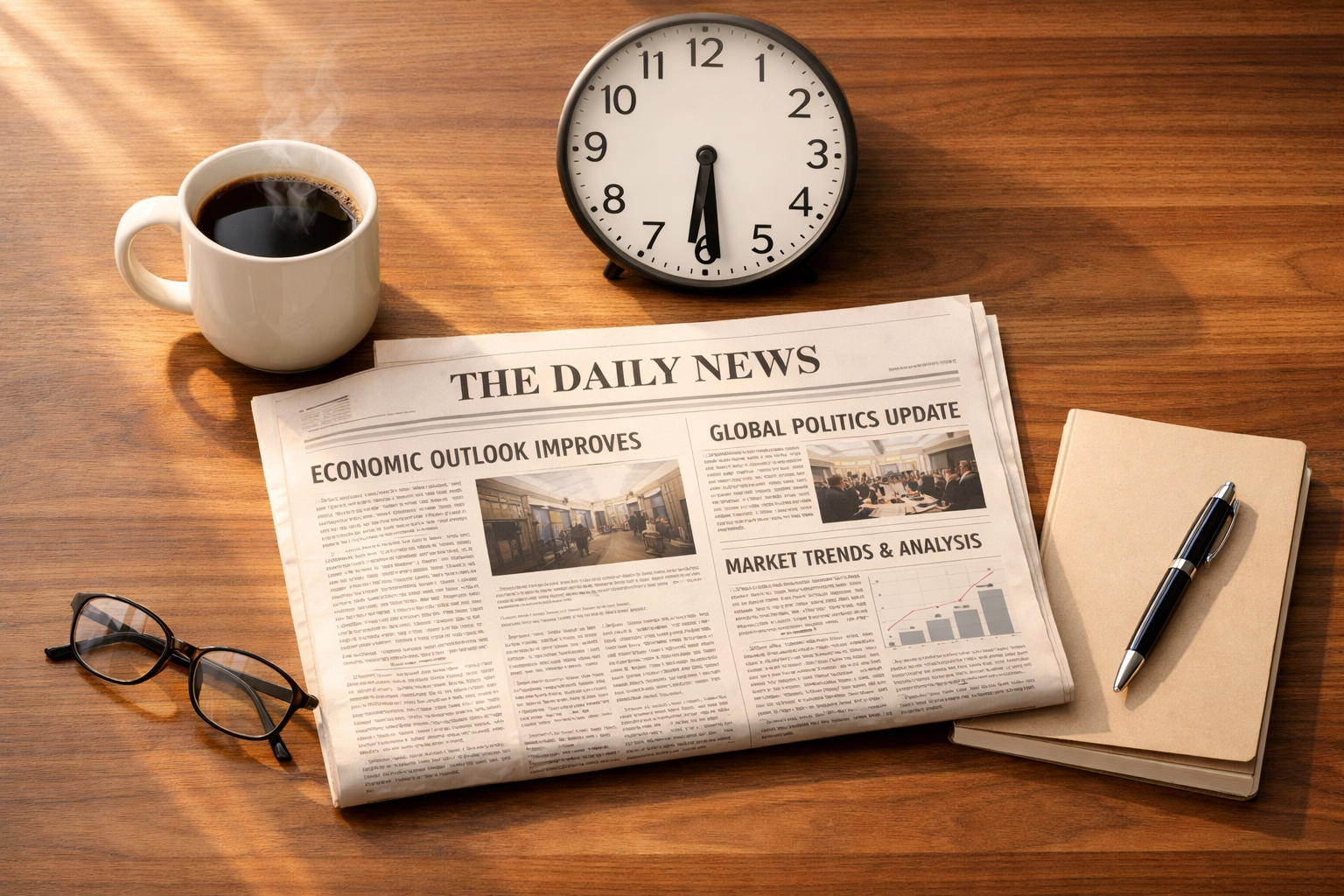
The 45-Minute Framework
You don't need hours to stay informed. Research shows that a focused 45-minute reading session beats aimless scrolling any day. Here's how to break it down:
15 minutes – Start with front-page stories and national headlines. These are your anchor points: the stories everyone will be talking about.
15 minutes – Move to editorials and opinion pieces. This is where you learn why things matter, not just what happened.
10 minutes – Dive into economy, science, and international developments. These shape the world quietly but powerfully.
5 minutes – Review what you've read and jot down key takeaways. This cements the information and helps you retain what actually matters.
Early morning is the ideal time for this routine. Your mind is fresh, distractions are minimal, and you set the tone for your entire day.
What Actually Deserves Your Attention
Not all news is created equal. Some stories inform and equip you; others just noise up your brain. Here's what to focus on:
Read:
Government policies and major legislative actions
Court decisions and legal developments
International relations and global shifts
Economic trends and financial updates
Scientific breakthroughs and environmental news
Well-researched editorial analysis
Skip:
Celebrity gossip and entertainment drama
Sensationalized crime stories with no broader impact
Sports scores (unless that's your professional focus)
Clickbait headlines designed to trigger rather than inform
The goal isn't to know everything: it's to know what matters.
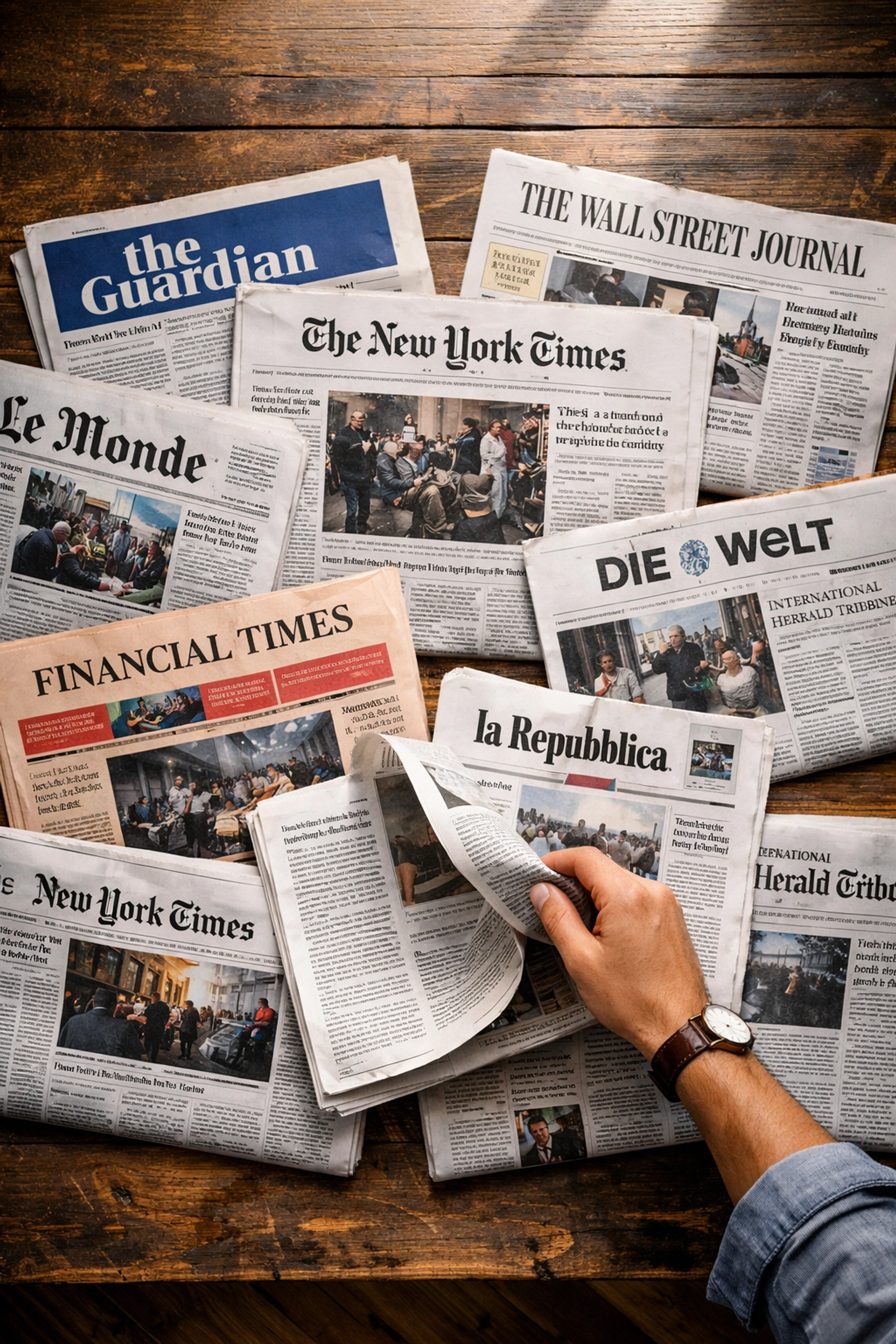
Choose Quality Over Quantity
Pick one or two trusted news sources and stick with them consistently. Quality newspapers like The New York Times, The Wall Street Journal, or The Guardian offer depth that social media snippets can't match.
If you're still building your news-reading skills, start with simplified sources designed for learners: outlets that present information clearly without dumbing it down. As you grow more comfortable, graduate to more complex reporting.
The key is consistency. Reading the same reputable source daily helps you track developing stories and understand context that single articles miss.
The Lens: Why This Matters for Faith-Driven People
Here's where it gets deeper. As Christians, we're called to be "in the world but not of it" (John 17:14-16). That means engaging thoughtfully with current events: not burying our heads in the sand or drowning in anxiety.
Being informed isn't about pride or appearing smart at dinner parties. It's about stewardship. How can we love our neighbors, pray effectively, or speak truth if we don't understand what's happening around us?
Proverbs 18:15 says, "The heart of the discerning acquires knowledge, for the ears of the wise seek it out." Reading the news with discernment means filtering information through biblical truth: recognizing where the world's narrative aligns with God's heart and where it diverges.
A structured morning news routine helps you stay grounded in truth rather than swept up in fear. When you approach the news intentionally, you're less likely to react emotionally and more likely to respond wisely.

The Response: Your Practical Morning News Routine
Let's make this actionable. Here's how to build a sustainable morning news habit that informs without overwhelming.
Start with Headlines First
Don't dive straight into full articles. Scan the headlines and opening paragraphs: that's where the core information lives. News follows an "inverted pyramid" structure: the most important facts come first.
Notice the language in headlines. Strong emotional verbs? Loaded adjectives? These can signal bias or sensationalism. Training yourself to spot this helps you read more critically.
Use the Dictionary (Seriously)
When you hit an unfamiliar term: whether it's political jargon, economic vocabulary, or foreign policy language: look it up immediately. Building your knowledge base compounds over time.
Don't skip this step. The difference between someone who reads the news and someone who understands the news often comes down to vocabulary.
Read Multiple Perspectives
Here's a game-changer: read the same story from different sources. A breaking story reported by three different outlets will highlight different angles, facts, and implications.
This isn't about "both sides" for its own sake: it's about seeing the full picture. Context matters. Details matter. And no single source captures everything.
Take Smart Notes
Don't highlight entire paragraphs or copy huge chunks of text. Instead, capture:
Keywords (names, places, key terms)
Dates (when did this happen?)
Implications (why does this matter?)
Questions (what do I still need to understand?)
A simple bullet-point list in a notebook or digital doc works perfectly. The act of writing helps your brain process and retain information.
Test Your Understanding
Can you explain the article to someone else without reading it again? Try it. Summarize out loud what you just read: sticking to facts, not adding your own spin.
If you can't, reread the key sections. This "teach-back" method solidifies comprehension.

The Invite: Start Small, Stay Consistent
Here's the good news: you don't have to read everything to be informed. Even reading 2-3 quality pages thoughtfully beats skimming 20 articles mindlessly.
Start tomorrow morning. Set your timer for 15 minutes and read just the front-page stories. That's it. Build from there as the habit sticks.
Consistency beats volume every single time. A sustainable 20-minute routine you actually do daily will transform your understanding of the world more than a 3-hour weekend binge ever could.
And remember: staying informed is a tool for engagement, not anxiety. The goal is to equip yourself to love well, pray specifically, and speak truth clearly in a confused world.
Need prayers? Text us day or night at 1-901-213-7341.
Follow The McReport for more Christ-centered clarity on today's biggest questions.

$50
Product Title
Product Details goes here with the simple product description and more information can be seen by clicking the see more button. Product Details goes here with the simple product description and more information can be seen by clicking the see more button

$50
Product Title
Product Details goes here with the simple product description and more information can be seen by clicking the see more button. Product Details goes here with the simple product description and more information can be seen by clicking the see more button.
$50
Product Title
Product Details goes here with the simple product description and more information can be seen by clicking the see more button. Product Details goes here with the simple product description and more information can be seen by clicking the see more button.
Comments