Your Quick-Start Guide to Today's News: What Happened, What It Means, What Jesus Says
- Dr. Layne McDonald
- Feb 14
- 6 min read

"For God so loved the world that he gave his one and only Son, that whoever believes in him shall not perish but have eternal life." : John 3:16 (NIV)
On this Valentine's Day 2026, while the world celebrates love with flowers and chocolates, the news reminds us of a different kind of love story: God's relentless pursuit of a broken world. Today's headlines carry weight, but they don't carry the final word. Here's what you need to know, what it means, and where Jesus meets us in the middle of it all.
Today's Top Stories at a Glance
Diplomacy in Motion: Iran and U.S. continue indirect nuclear talks in Oman as both sides signal cautious openness to negotiation while maintaining security postures.
Humanitarian Crisis Deepens: The UN reports its 2026 global appeal seeks $23 billion to reach 87 million people facing life-threatening needs across 50 countries, as 2025 funding fell to decade lows.
Sudan's Return Movement: Over 3 million people have returned to areas of origin in Sudan despite damaged infrastructure and limited services, according to IOM monitoring.
Venezuela Amnesty Proposal: Venezuela's legislature advanced an amnesty bill that could release hundreds detained for what rights groups describe as political reasons, pending a second debate and public release of the bill's text.
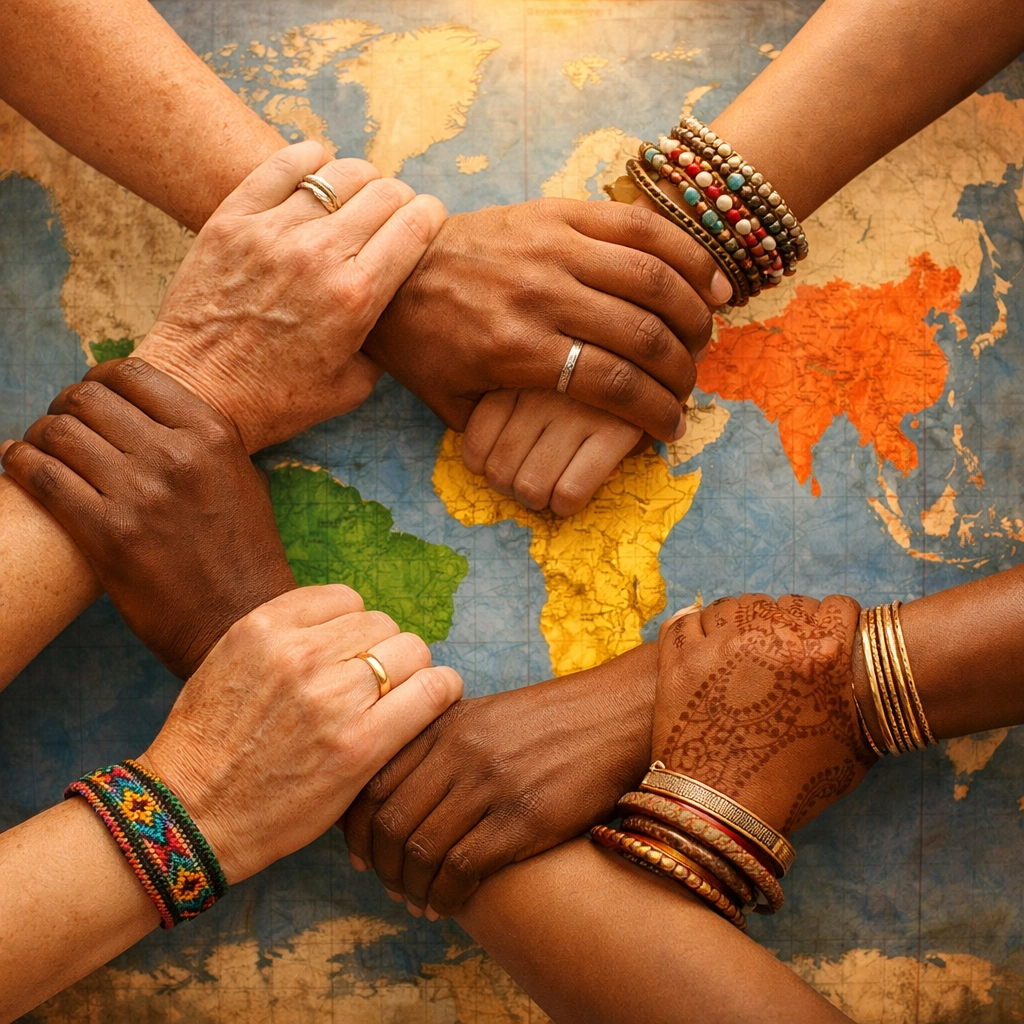
What Happened: The Facts
Iran-U.S. Nuclear Talks Continue Associated Press reports Iranian officials met with Omani leadership this week as the Gulf sultanate continues facilitating indirect negotiations between Tehran and Washington. President Trump described initial talks held February 6 as "very good," while Iran's Foreign Minister called them "a good start." The discussions come after a summer 2025 conflict that included U.S. strikes on Tehran's nuclear facilities, underscoring the high stakes involved. U.S. maritime authorities updated guidance for vessels transiting the Strait of Hormuz, advising they stay as far as practical from Iranian waters without compromising navigation safety.
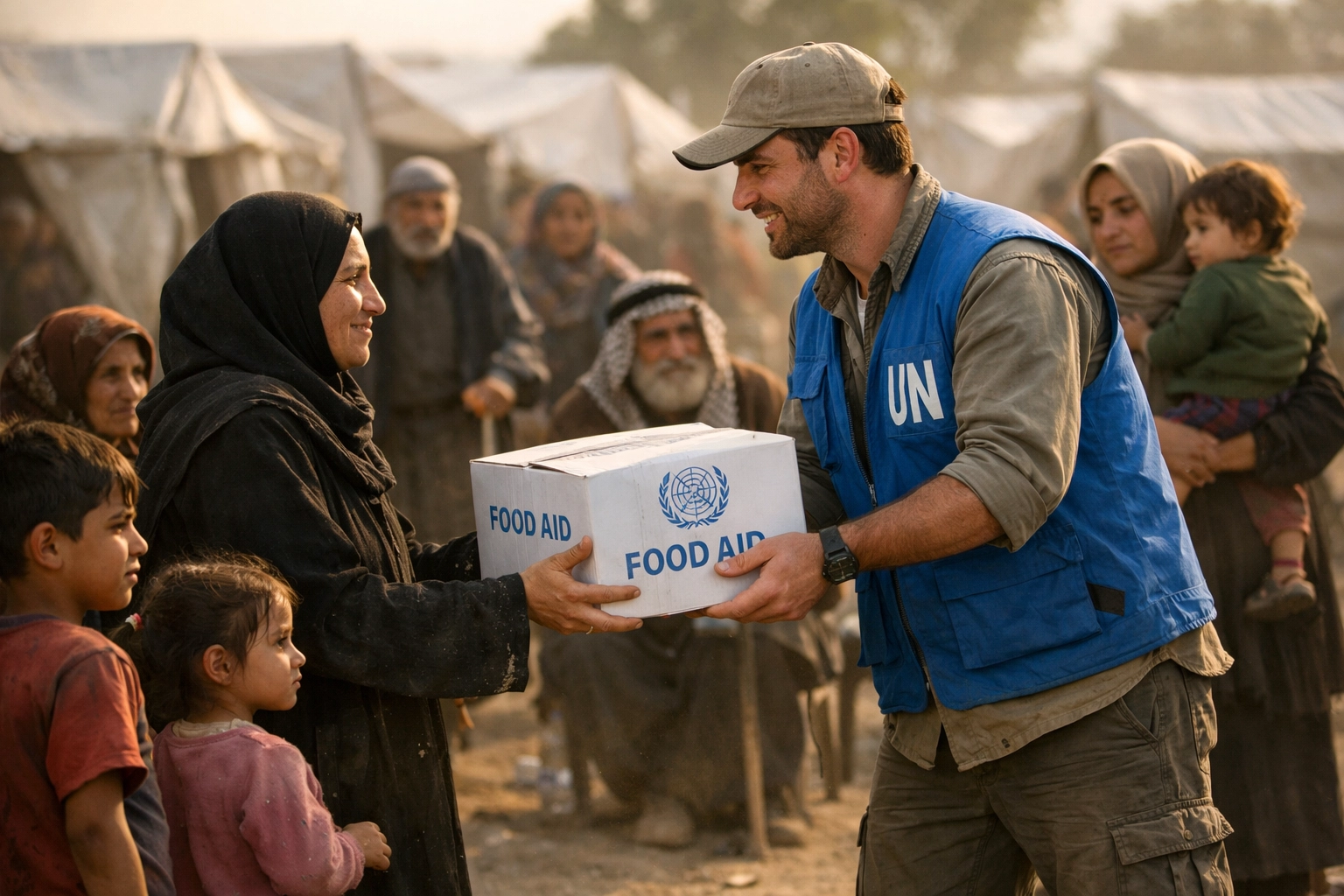
UN Humanitarian Appeal Faces Shortfalls UN OCHA reports its 2026 Global Humanitarian Overview requests $23 billion as a priority fund to reach 87 million people facing acute, life-threatening needs. The broader appeal totals $33 billion for 135 million people across 50 countries. This comes after 2025 funding hit decade lows at just $12 billion, forcing aid agencies to adopt "hyper-prioritized" triage that left millions without assistance. Major appeals include the Occupied Palestinian Territory ($4 billion for 3 million people), Sudan ($2.8-$2.9 billion for 20 million inside the country), Syria ($2.8 billion for 8.6 million), and Myanmar ($1.4 billion for 4.9 million).
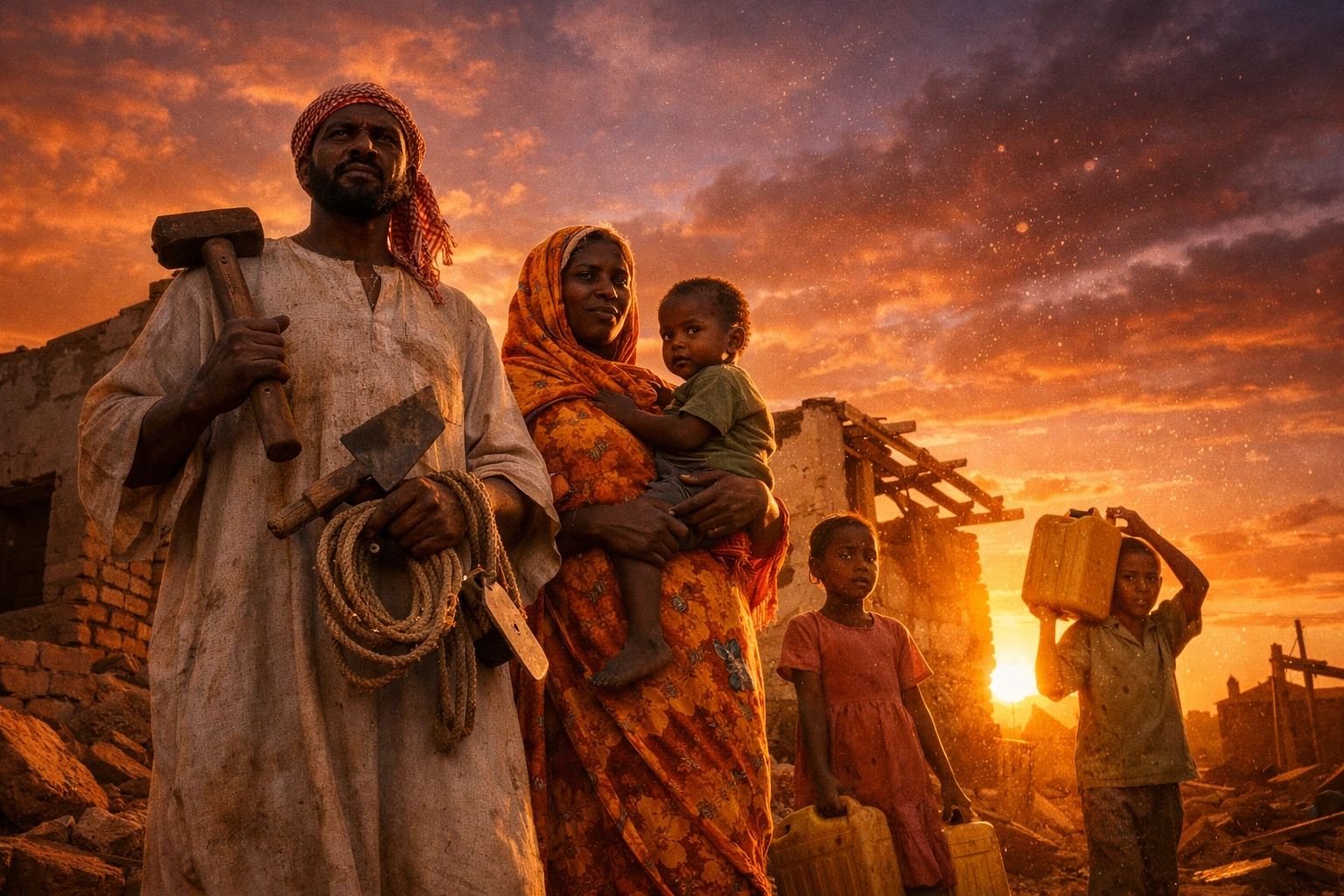
Sudan Return Movement Strains Services The International Organization for Migration reports more than 3 million people have returned to their areas of origin in Sudan, with concentrated movements in Khartoum and Aj Jazirah states. IOM warns returnees face damaged housing, limited public services, and strained infrastructure. The agency emphasized that returns don't necessarily signal safety or stability, and that support is urgently needed for shelter, reconstruction, and basic services.
Venezuela Amnesty Bill Advances AP reports Venezuela's National Assembly advanced an amnesty bill proposed by acting President Delcy Rodríguez that could lead to releases of people rights groups describe as detained for political reasons. The bill's full text has not been released publicly, and it requires a second debate before taking effect. Human rights organizations expressed cautious optimism while pressing for transparency on eligibility requirements and timelines.
Why It Matters
These stories share a common thread: millions of people whose daily reality hangs in the balance of decisions made in distant capitals, funding commitments honored or broken, and diplomatic breakthroughs achieved or missed.
The Iran-U.S. talks represent a rare diplomatic opening after years of escalation. The Strait of Hormuz carries one-fifth of the world's petroleum, making any miscalculation there consequential for global markets and security. But beyond geopolitics, families on all sides: Iranian, American, Israeli, Arab: bear the cost when leaders choose escalation over dialogue.
The UN humanitarian funding gap is not abstract. It translates to children going hungry, families sleeping in the cold, mothers giving birth without medical care, and aid workers forced to choose which lives to prioritize when resources run out. The $11 billion shortfall in 2025 meant 25 million fewer people received help. In 2026, the needs are larger and the resources remain inadequate.
Sudan's 3 million returns create a humanitarian paradox: people choosing to go home despite conditions that remain far from safe or stable. They're returning to damaged homes, compromised water systems, and communities that lack capacity to absorb them. This is not the end of Sudan's crisis: it's a new phase requiring sustained support for reconstruction and services.
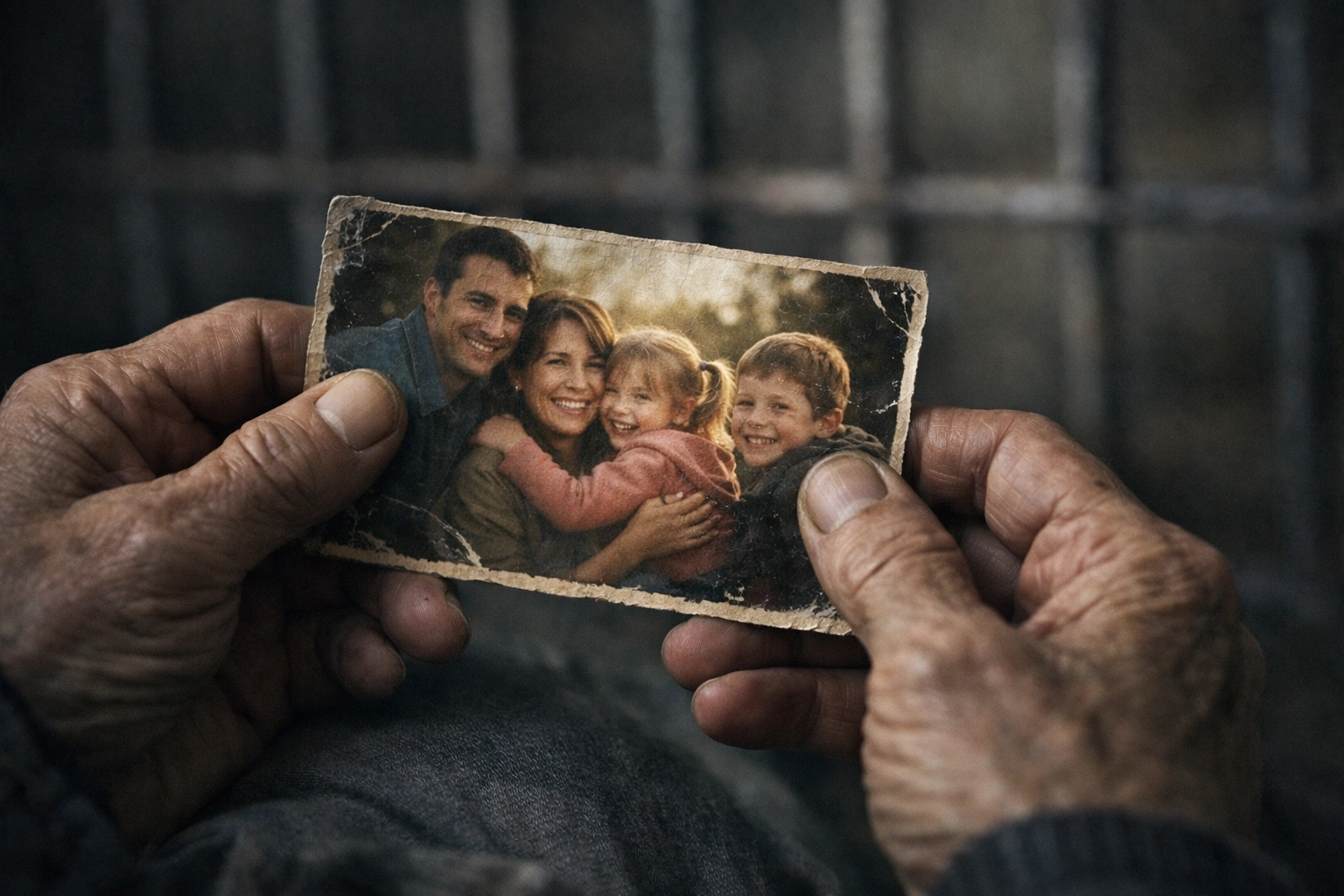
Venezuela's amnesty proposal could reunite families separated by detention, but the lack of transparency creates uncertainty about who qualifies, when releases will happen, and whether the process will deliver meaningful relief or create new delays.
A Biblical Lens: God's Love for the World
On Valentine's Day, we celebrate love in its safest, most comfortable forms. But John 3:16 points us to a different kind of love: one that enters the mess, pays the cost, and pursues the lost at any price.
"For God so loved the world..." Not the sanitized world. Not the easy world. The actual world: the one where children go to bed hungry, where families flee violence, where prisoners wait behind bars, where diplomats negotiate while weapons are readied.
God's love is not sentimental. It's fiercely committed to human dignity, justice, and flourishing. It doesn't ignore suffering; it enters it. Jesus didn't stay in heaven's comfort: He came to Bethlehem's cold, to Egypt's refuge, to Nazareth's obscurity, to Jerusalem's cross.
When we see 87 million people facing life-threatening needs, we're seeing people God loves. When we read about families returning to damaged homes in Sudan, we're reading about image-bearers God created. When we follow negotiations that could prevent or provoke conflict, we're watching decisions that affect people God died for.
"Blessed are the peacemakers, for they will be called children of God." (Matthew 5:9)
Peacemaking is not passive. It requires courage, patience, wisdom, and the willingness to pursue de-escalation even when pride tempts us toward confrontation. It means supporting diplomacy, funding humanitarian aid, advocating for the vulnerable, and refusing to dehumanize those we disagree with.
A Christian Response: Love in Action
The call is clear: don't let the news overwhelm you, but don't let it leave you unchanged either.
Pray specifically. Pray for negotiators in Muscat working on Iran-U.S. talks. Pray for humanitarian workers delivering aid in dangerous conditions. Pray for families returning to Sudan and those waiting for release in Venezuela. Pray for leaders making decisions that affect millions.
Give generously. If you have capacity, consider supporting vetted humanitarian organizations working in crisis zones. The UN appeal includes specific country needs: research reputable groups working in regions that burden your heart, and give toward long-term solutions, not just emergency response.
Stay informed without anxiety. Follow credible sources. Understand the issues. But don't let fear or anger dominate your heart. God is sovereign over nations and their leaders, even when outcomes feel uncertain.
Advocate for justice. Whether you lean left or right politically, you can insist that leaders pursue diplomacy before bombs, dialogue before escalation, and funding for humanitarian needs before luxuries. Contact your representatives. Make your voice heard.
Resist dehumanization. Behind every headline are millions of ordinary people: parents, teachers, shopkeepers: who want safety and dignity for their families. Iranians are not a monolith. Neither are Sudanese, Venezuelans, or Americans. See people, not caricatures.
A Prayer for the World God Loves
Father,
On this day when the world celebrates love, we remember Your love for the world: the real world with all its brokenness, conflict, and need.
We lift up the 87 million people facing life-threatening crises. Provide for them. Protect them. Move the hearts of donors and leaders to respond generously.
We pray for diplomats negotiating peace in Oman, for aid workers serving in Sudan, for families waiting for loved ones in Venezuela. Give them wisdom, courage, and breakthrough.
We ask for Your peace: not just the absence of war, but the presence of justice, dignity, and flourishing for all people.
Help us to love the way You love: not with sentiment, but with sacrifice. Not with words alone, but with action. Not from a distance, but up close.
In Jesus' name, Amen.
The news is heavy, but it doesn't have the final word. Jesus does. And His word is love: costly, committed, transformative love that meets us in the headlines and calls us to respond with hope, not despair.
Need prayers? Text us day or night at 1-901-213-7341.
For calm, Christ-centered updates on the week's biggest stories, follow along at LayneMcDonald.com for clarity without the noise.
Sources: Associated Press, UN Office for the Coordination of Humanitarian Affairs (OCHA), International Organization for Migration (IOM)

$50
Product Title
Product Details goes here with the simple product description and more information can be seen by clicking the see more button. Product Details goes here with the simple product description and more information can be seen by clicking the see more button

$50
Product Title
Product Details goes here with the simple product description and more information can be seen by clicking the see more button. Product Details goes here with the simple product description and more information can be seen by clicking the see more button.
$50
Product Title
Product Details goes here with the simple product description and more information can be seen by clicking the see more button. Product Details goes here with the simple product description and more information can be seen by clicking the see more button.
Comments