
7 Mistakes Christian Leaders Make with Emotional Health (And How to Fix Them Before Burnout Hits)
- Dr. Layne McDonald
- Feb 18
- 5 min read

You know that feeling when you're running on fumes but can't figure out why? When Sunday morning rolls around and you'd rather hide under the covers than lead worship? When the thought of one more committee meeting makes your chest tight?
You're not alone. And you're not weak.
Christian leaders carry a unique burden, serving God's people while managing their own emotional health. But somewhere along the way, many of us picked up habits that drain us dry instead of filling us up. The good news? These mistakes are fixable. And fixing them doesn't mean you love Jesus less, it means you're learning to love yourself the way He already does.
Mistake #1: Ignoring What Your Body Is Trying to Tell You
Your body is preaching sermons you're not listening to. That tension headache every Monday? The stomach issues before board meetings? The exhaustion that sleep doesn't fix? These aren't just inconveniences, they're emotional messages wrapped in physical symptoms.
The fix: Spend one hour each week in honest self-assessment. Journal about what's making you feel afraid, sad, or angry. Don't edit it. Don't spiritualize it away. Just write it down. Then bring those raw feelings to Jesus in prayer. He can handle your honesty better than you can handle your denial.

Mistake #2: Running Faster Than Your Tank Can Handle
There's a dangerous phrase floating around ministry circles: "I'd rather burn out than rust out." But God never asked you to burn anything, except maybe the idols of productivity and people-pleasing.
When your doing for God outpaces your being with God, you're running a race He never designed you to run. You say yes to every opportunity because it feels faithful. But reflexively saying yes without prayer isn't faith, it's fear dressed up in a church t-shirt.
The fix: Before you say yes to the next speaking invitation, volunteer role, or leadership position, sit in silence for 24 hours. Not because God can't speak quickly: He can. But because you need time to hear Him over the noise of your own performance anxiety. Make cultivating your relationship with Jesus a top leadership priority, not something you squeeze in between meetings.
Mistake #3: Treating Sabbath Like a Suggestion
You wouldn't skip paying your mortgage because you're too busy. So why do we skip Sabbath rest like it's optional? Many Christian leaders view Sabbath as an Old Testament relic or a luxury for people with lighter schedules. But God didn't suggest rest: He commanded it. Because He knows what we keep forgetting: we're human.
The fix: Block out a full 24-hour period every single week. Not "lighter work day": actual rest. No email. No sermon prep. No crisis management unless it's literally life or death. Delight in God's gifts. Play with your kids. Take a nap. Read a book that has nothing to do with ministry. Watch the sunset. Your church will survive. In fact, it'll thrive because you'll return with actual life in you.

Mistake #4: Carrying Guilt Like a Badge of Honor
Unresolved guilt is emotional poison. It starts as conviction: which is good and holy: but when we refuse to confess and receive forgiveness, it curdles into shame. And shame makes us hide from the very God who wants to heal us.
Maybe you feel guilty about that harsh word you said to a volunteer. Maybe you're carrying regret about a ministry decision that hurt someone. Maybe you can't shake the feeling that you're not enough.
The fix: Confession isn't weakness: it's freedom. Name the guilt specifically. Tell God about it. Tell a trusted mentor or counselor about it. Then: and this is the hard part: actually believe that you're forgiven. Not because you earned it, but because Jesus already paid for it. Let guilt do its proper job as a guardrail for your conscience, then let it go.
Mistake #5: Stuffing Your Anger Down Until It Explodes
Anger is an emotion, not a sin. But we've been taught that "good Christians" don't get angry, so we stuff it down, smile through the hurt, and pretend everything's fine. Until it's not. Until we snap at our spouse over something small or resign from ministry in a dramatic exit.
Suppressed anger doesn't disappear: it just goes underground and does more damage from there. It shows up as depression, passive-aggressive comments, or sudden emotional explosions that shock everyone, including you.
The fix: Learn to name your anger without letting it control you. When you feel that heat rising in your chest, pause. Say to yourself (or to God), "I'm angry right now, and that's okay." Then process it in healthy ways: talk it out with a safe person, journal about it, pray through it, or exercise it out. Anger is information: it's telling you something needs attention. Listen to it, then decide what to do with it.

Mistake #6: Postponing Your Grief
Grief doesn't have an expiration date. That loss you experienced five years ago? If you never actually processed it, it's still sitting in your emotional basement, gathering interest. Grief is patient: it'll wait for you. But the longer you put it off, the heavier the bill when it finally comes due.
Maybe you lost a loved one. Maybe a ministry dream died. Maybe a relationship ended. You told yourself you'd deal with it later, when things slowed down. But things never slow down.
The fix: Face grief head-on, right when it happens. Don't wait for the "right time." Cry when you need to cry. Talk about the loss. Let yourself feel the weight of what's gone. Need prayers? Text us day or night at 1-901-213-7341. You don't have to carry this alone.
Mistake #7: Leading from Isolation
There's a difference between solitude (healthy) and isolation (dangerous). Many leaders either refuse to share their emotional burdens out of pride: "I'm supposed to have it all together": or they overshare with everyone, treating social media like a therapy session.
Neither works. Isolation makes you think you're the only one struggling. Oversharing exhausts you and the people around you.
The fix: Build a small circle of trusted people who know the real you. Not your congregation. Not your entire friend list. A handful of people who've proven they can hold your story with care. Share honestly with them. Let them pray for you, challenge you, and remind you who you are when you forget.
Breath Section: Pause. You're Still Here.
Before you rush to fix everything, just breathe for a moment. Inhale slowly through your nose. Hold it for four counts. Exhale through your mouth.
You made it through this article, which means you're already paying attention. That's half the battle. Emotional health doesn't happen overnight: it's built in small, consistent choices.
You're not too far gone. You're not too broken. You're not disqualifying yourself by admitting you're struggling. You're just human, trying to follow Jesus in a world that's really hard sometimes.
Reflection Question
Which of these seven mistakes feels most familiar to you right now? And more importantly: what's one small step you could take this week to start fixing it?
Action Step
Pick one thing from this list. Just one. Schedule it in your calendar right now:
One hour for self-awareness journaling
A 24-hour Sabbath period (mark it "unavailable" on your calendar)
A conversation with someone safe about the anger or grief you've been carrying
A text or call to set up a meeting with a trusted mentor
Don't try to fix everything at once. Just start somewhere.
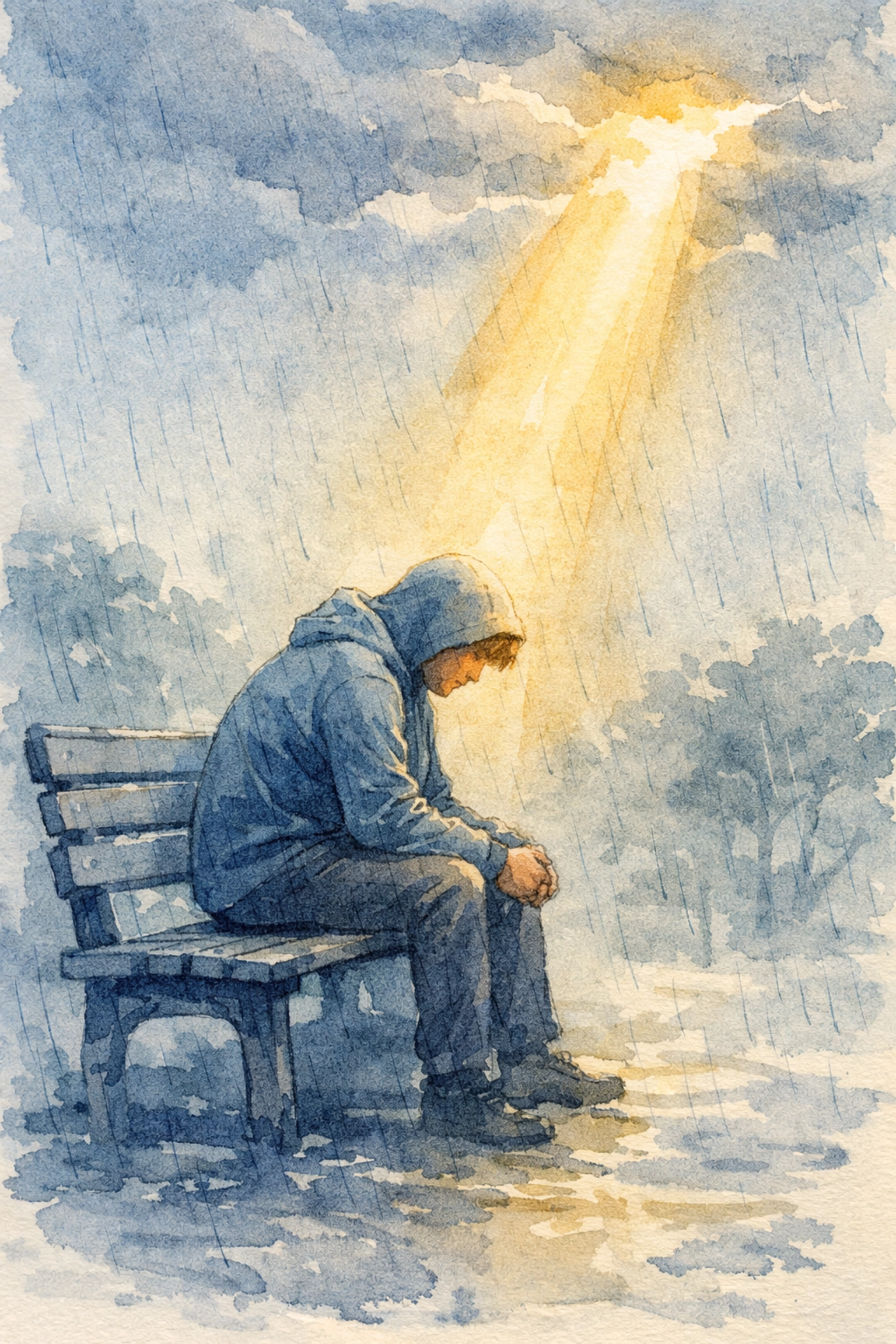
You're Not Alone in This
Emotional health isn't a solo project: it's a community effort rooted in grace. If you need practical tools, coaching, or just someone who gets it, visit www.laynemcdonald.com for resources on leadership, emotional health, and sustainable ministry. Every visit helps raise funds for families who've lost children, at no cost to you.
And if you're looking for a spiritual home where you can stay grounded and grow with others who understand the journey, check out www.boundlessonlinechurch.org: a private online church where you can watch teachings, join family groups, and connect without pressure.
Burnout isn't inevitable. But healing is available. And it starts with admitting you need it.
Comments