
A Tiny Michigan Butterfly Moves Back From the Brink of Extinction
- Dr. Layne McDonald
- 4 days ago
- 1 min read

Author: Dr. Layne McDonald
Direct answer: A collaborative conservation program is helping the critically endangered Poweshiek skipperling butterfly recover through captive breeding, habitat restoration, and carefully tracked releases. Partners released more than 1,300 butterflies in 2025, offering a hopeful example of patient stewardship and cooperation.
Facts: Michigan State University, John Ball Zoo, the Minnesota Zoo, and other partners have raised the rare prairie butterfly in controlled environments designed to replicate its native habitat. Released butterflies are marked for monitoring, and researchers continue restoring the prairie fens the species needs to survive. Long-term recovery is not guaranteed, but the program has produced measurable progress.

Perspectives: Conservationists say captive breeding can buy time for a species while habitats are repaired. Others emphasize that laboratory success must ultimately translate into stable wild populations. Both points matter: recovery requires science, patience, land stewardship, and sustained cooperation.
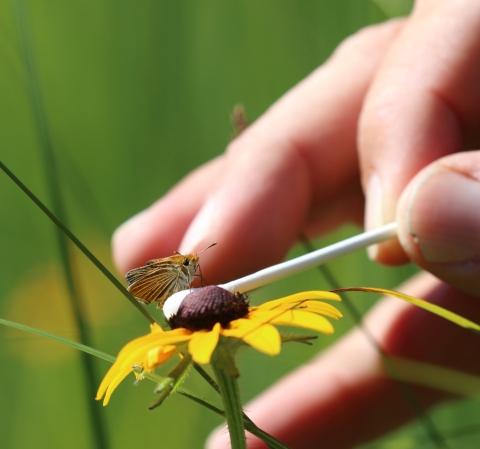
Eternal Center: Genesis 2:15 describes humanity's responsibility to work the earth and care for it. Small acts of faithful stewardship can protect life that many people never notice: but God does.
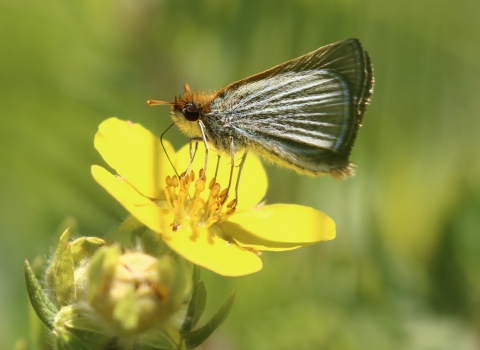
How to respond: Learn about native habitats in your region, support responsible conservation work, and practice gratitude for the quiet forms of life around you.
For more hope-filled stories of stewardship and creation care, visit www.laynemcdonald.com.
Source:Michigan State University / conservation partners, Aug. 20, 2026.
Comments