
Book: Authentic Christian Pastoral Leadership in Churches - Chapter 1: The Call to Authentic Leadership
- Dr. Layne McDonald
- May 28
- 10 min read

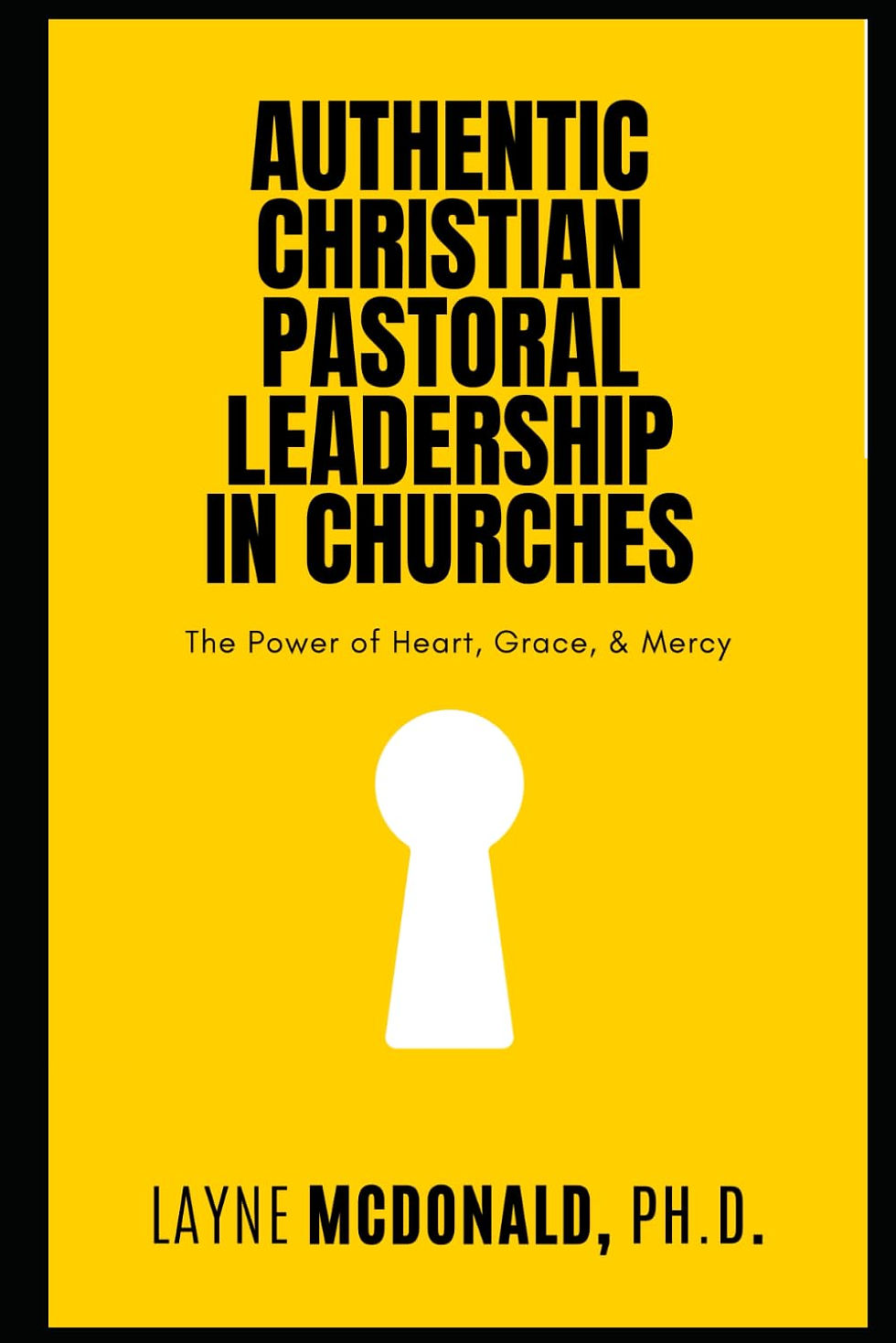
The journey of leadership within the church is one of the most profound callings a believer can receive. It is a path marked not by the pursuit of personal glory but by the commitment to serve others with a heart modeled after Christ. Authentic Christian leadership requires a deep understanding of biblical principles, a commitment to grace, and an unwavering dedication to show mercy. This book aims to explore these themes and provide a roadmap for leaders who aspire to shepherd their congregations with integrity and love.
The modern church faces numerous challenges, from societal shifts to internal conflicts, which can often lead pastors astray from their true calling. In such times, it is essential to return to the basics of what it means to lead like Christ. Authentic leadership is not about power or prestige but about humility, service, and a genuine love for others.
In Matthew 20:26-28, Jesus provides a clear model for leadership: "Whoever wants to become great among you must be your servant, and whoever wants to be first must be your slave—just as the Son of Man did not come to be served, but to serve, and to give his life as a ransom for many." This verse encapsulates the essence of authentic Christian leadership—serving others selflessly.
However, understanding this concept is only the beginning. Implementing it in everyday pastoral work requires a heart transformed by the Holy Spirit, a mind renewed by the Word of God, and hands ready to do the work of the kingdom. Authentic leaders are those who lead with their hearts, embody grace, and act with mercy.
The heart of a leader is the core of authentic pastoral leadership. Proverbs 4:23 says, "Above all else, guard your heart, for everything you do flows from it." The condition of a leader's heart determines their ability to lead effectively. A heart that is in tune with God’s will, filled with compassion and love, can impact lives in profound ways.
Consider the story of David, a man after God’s own heart (Acts 13:22). Despite his flaws and failures, David's leadership was marked by his deep relationship with God and his heartfelt repentance. His psalms reveal a leader who is not afraid to pour out his soul before the Lord, seeking guidance and forgiveness. This transparency and vulnerability are essential qualities for authentic leaders today.
Grace is the foundation upon which Christian leadership is built. Ephesians 2:8-9 reminds us that it is by grace we have been saved, through faith—and this is not from ourselves, it is the gift of God—not by works, so that no one can boast. A leader who understands grace can extend it to others, creating an environment where people feel valued and forgiven.
Grace-filled leadership means forgiving others as Christ forgave us, showing kindness even when it is undeserved, and providing opportunities for growth and restoration. It is about creating a church culture that reflects the grace we have received from God.
Mercy goes hand in hand with grace. While grace is giving someone what they do not deserve, mercy is withholding what they do deserve. James 2:13 says, "Mercy triumphs over judgment." A merciful leader is one who chooses compassion over condemnation, understanding over criticism, and love over legalism.
In the parable of the Good Samaritan (Luke 10:25-37), Jesus teaches us about mercy. The Samaritan showed mercy by caring for a stranger who was beaten and left for dead, while others passed by. This act of kindness exemplifies the mercy that should characterize Christian leadership.
As we embark on this journey of exploring authentic Christian pastoral leadership, it is crucial to keep in mind the ultimate goal: to lead like Christ. This involves a continuous process of self-examination, prayer, and reliance on the Holy Spirit. It is about being open to change and willing to grow in heart, grace, and mercy.
In the chapters that follow, we will delve deeper into each aspect of authentic leadership. We will examine the heart of leadership, the transformative power of grace, and the practical application of mercy. Through real-life examples, biblical insights, and practical advice, this book aims to equip you with the tools needed to lead your congregation with authenticity and love.
Reflection and Prayer
Before we move forward, take a moment to reflect on your current leadership journey. Consider how the biblical examples discussed resonate with your experiences. Let’s delve deeper into how you can align your leadership with the principles exemplified by these biblical leaders.
Aligning Your Leadership with Biblical Principles
Seek God’s Guidance Through Prayer
Prayer is the foundation of a strong relationship with God and an essential tool for leadership. Through prayer, leaders can seek God's guidance, wisdom, and strength. The story of Moses serves as a profound example of the importance of prayer in leadership. Moses often turned to God in prayer, seeking direction and support as he led the Israelites out of Egypt.
In Exodus 33:11, it is written, "The Lord would speak to Moses face to face, as one speaks to a friend." This intimate relationship with God was crucial for Moses as he navigated the many challenges of leading a nation. Pastors today can follow this example by dedicating time each day for prayer, seeking God’s guidance in all aspects of their ministry.
Practical steps to incorporate prayer into your leadership:
Set a Prayer Schedule: Dedicate specific times each day for prayer. This could be in the morning, during a lunch break, or before bed. Consistency is key.
Prayer Journal: Keep a journal to record your prayers and the answers you receive. This can help you track your spiritual journey and see how God is working in your life.
Prayer Partners: Find a prayer partner or group within your congregation. Praying with others can provide encouragement and accountability.
Study and Meditate on Scripture
Scripture is the living Word of God and a vital resource for leaders seeking to align their actions with God’s will. Consistently reading and meditating on the Bible helps leaders to discern God’s direction and apply His principles in their ministry.
Joshua’s leadership provides an excellent example of the importance of scripture. In Joshua 1:8, God commands, "Keep this Book of the Law always on your lips; meditate on it day and night, so that you may be careful to do everything written in it. Then you will be prosperous and successful." Joshua’s success as a leader was directly linked to his commitment to God’s Word.
Practical steps to integrate scripture into your leadership:
Daily Bible Reading: Set aside time each day to read the Bible. Use a reading plan to help you cover different parts of scripture.
Meditation: Take time to meditate on the passages you read. Reflect on how they apply to your life and ministry.
Bible Study Groups: Participate in or lead a Bible study group. This allows for deeper exploration of scripture and fosters a sense of community.
Embrace the Power of Fasting
Fasting is a powerful spiritual discipline that enhances your focus and dependence on God. It is a way to humble yourself before God, seeking His intervention and guidance. Jesus Himself fasted for forty days in the wilderness before beginning His ministry (Matthew 4:1-11), setting an example for us to follow.
The practice of fasting can bring clarity and direction in times of decision-making or when facing significant challenges. It helps to break the routine and draw closer to God, allowing His Spirit to lead and guide.
Practical steps to incorporate fasting into your leadership:
Choose a Fasting Schedule: Decide on the length and type of fast. It could be a complete fast, a partial fast, or abstaining from certain foods or activities.
Set Your Intentions: Clearly define the purpose of your fast. Whether it's seeking guidance, interceding for your congregation, or personal spiritual growth, having a clear focus will help you stay committed.
Combine with Prayer and Scripture: Use the time you would spend eating or engaging in the activity you’re fasting from to pray and read scripture. This deepens the spiritual impact of your fast.
Engage in Regular Worship
Worship is an expression of our love and reverence for God. It re-centers our focus on Him and cultivates a heart of gratitude and humility. Regular worship, both personal and communal, is vital for maintaining a vibrant spiritual life.
King David, known for his heart of worship, provides a powerful example. His psalms are filled with expressions of praise, thanksgiving, and adoration for God. Psalm 95:6 says, "Come, let us bow down in worship, let us kneel before the Lord our Maker." David’s example teaches us the importance of making worship a central part of our lives.
Practical steps to incorporate worship into your leadership:
Personal Worship: Set aside time each day for personal worship. This can include singing, playing an instrument, or simply expressing your love and gratitude to God.
Corporate Worship: Actively participate in and lead corporate worship services. Encourage your congregation to engage fully in worship, creating an atmosphere of reverence and celebration.
Worship Through Service: Consider all aspects of your ministry as acts of worship. Serving others, preaching, and even administrative tasks can be done with a heart of worship, offering them to God as a form of praise.
Cultivating a Heart of Compassion and Empathy
Leading with a compassionate and empathetic heart is essential for building genuine relationships and fostering a supportive church environment. Jesus' ministry was marked by His deep compassion and empathy for those He encountered.
In Matthew 9:36, we read, "When he saw the crowds, he had compassion on them because they were harassed and helpless, like sheep without a shepherd." This level of compassion drove Jesus to meet the physical, emotional, and spiritual needs of those around Him.
Steps to Develop Compassion and Empathy:
Active Listening
Listening is a fundamental aspect of compassion and empathy. When we listen actively, we show that we value and care about the person speaking. James 1:19 advises, "My dear brothers and sisters, take note of this: Everyone should be quick to listen, slow to speak and slow to become angry."
Practical steps for active listening:
Focus Fully: Give the speaker your undivided attention. Avoid distractions and make eye contact.
Reflect Back: Summarize what the speaker has said to ensure understanding and show that you are engaged.
Ask Questions: Ask open-ended questions to encourage the speaker to share more and demonstrate your interest in their perspective.
Personal Reflection
Reflecting on your own experiences and how they shape your empathy can deepen your understanding of others. Consider how you would feel in similar situations and use this insight to guide your actions.
Practical steps for personal reflection:
Journaling: Keep a journal to reflect on your experiences and feelings. This can help you gain clarity and understanding.
Prayerful Reflection: Spend time in prayer, asking God to reveal areas where you can grow in compassion and empathy.
Seek Feedback: Ask trusted friends or mentors for feedback on how you can improve in showing empathy and compassion.
Engaging in Service
Engaging in service activities puts you in direct contact with those in need, deepening your compassion and understanding of their struggles. Jesus modeled this through His ministry, often going out of His way to serve the marginalized and disadvantaged.
Practical steps for engaging in service:
Community Service: Participate in community service projects. This could include feeding the homeless, visiting the sick, or helping those in need.
Church Outreach: Organize and lead outreach programs within your church. Encourage your congregation to get involved in serving the community.
Mission Trips: Consider participating in or organizing mission trips. These experiences can provide profound insights into the lives and needs of others.
Continual Learning
Continually learning about the lives and experiences of others can enhance your empathy and compassion. Studying the life of Jesus and other compassionate leaders can provide valuable insights.
Practical steps for continual learning:
Reading: Read books and articles about empathy, compassion, and the lives of compassionate leaders. Biographies of leaders like Mother Teresa or Martin Luther King Jr. can be particularly inspiring.
Workshops and Seminars: Attend workshops and seminars focused on empathy, compassion, and effective leadership.
Mentorship: Seek out mentors who exemplify compassionate leadership. Learn from their experiences and insights.
Leading with Integrity and Love
Integrity and love are foundational to heart-led leadership. Love ensures that your actions are motivated by genuine care for others, while integrity ensures that your actions are consistent with your values and beliefs.
Living with Integrity
Integrity involves being honest, transparent, and consistent in one’s actions. Proverbs 11:3 states, "The integrity of the upright guides them, but the unfaithful are destroyed by their duplicity." Leaders with integrity earn the trust and respect of their congregants.
Practical steps to live with integrity:
Honesty: Be truthful in all your interactions. Avoid deceit and be transparent in your dealings.
Consistency: Ensure that your actions align with your words. This builds trust and shows that you are reliable.
Accountability: Allow trusted individuals to provide feedback and hold you accountable for your actions. This helps maintain integrity and prevent ethical lapses.
Leading with Love
Love is the greatest commandment, and it should be the driving force behind all leadership actions. 1 Corinthians 13:1-3 eloquently describes the importance of love: "If I speak in the tongues of men or of angels, but do not have love, I am only a resounding gong or a clanging cymbal. If I have the gift of prophecy and can fathom all mysteries and all knowledge, and if I have a faith that can move mountains, but do not have love, I am nothing. If I give all I possess to the poor and give over my body to hardship that I may boast, but do not have love, I gain nothing."
Practical steps to lead with love:
Prioritize Others: Put the needs of others above your own. Show kindness, patience, and selflessness in your interactions.
Demonstrate Compassion: Actively seek to understand and alleviate the suffering of others. This can involve providing emotional support, practical assistance, or simply being present.
Foster a Loving Community: Encourage a culture of love within your church. Promote mutual respect, support, and care among your congregants.
The Power of Heart-Led Leadership
When leaders lead with their hearts, the impact on their congregations and communities is profound. Heart-led leadership creates an atmosphere of trust, respect, and mutual care. Congregants feel valued and understood, which fosters a sense of belonging and encourages active participation in the church’s mission.
Moreover, heart-led leadership reflects the love of Christ to the broader community. It demonstrates that the church is not just an institution but a family that cares deeply for its members and the world around it. This type of leadership can be a powerful witness to the gospel, attracting others to the faith through the genuine love and compassion exhibited by its leaders.
In conclusion, the biblical foundation of leadership provides a rich source of wisdom and guidance for pastoral leaders. By embracing the principles exemplified by Moses, Joshua, Nehemiah, Jesus, and Paul, and by cultivating a heart that reflects Christ, leaders can navigate the challenges of ministry with grace and mercy. As we continue our journey through this book, let us keep these foundational truths at the forefront, striving to lead in a way that honors God and serves His people with authenticity and love.
Reflection and Prayer
As we reflect on the role of the heart in pastoral leadership, it is essential to recognize that this type of leadership is a continuous journey of growth and transformation. It requires a daily commitment to cultivating a heart that mirrors Christ’s, seeking His guidance, and allowing the Holy Spirit to work through us.
Take a moment to reflect on your leadership journey. Consider the following questions:
How can I cultivate a heart that reflects Christ’s love and compassion?
In what ways can I build genuine relationships within my congregation?
How can I lead with greater integrity and empathy?
Let us pray:
"Lord, thank You for the example of heart-led leadership found in Your Word. Help me to cultivate a heart that is pure, compassionate, and aligned with Your will. Grant me the wisdom to build genuine relationships and the integrity to lead with honesty and transparency. May my leadership reflect Your love and bring glory to Your name. Amen."
Comments