
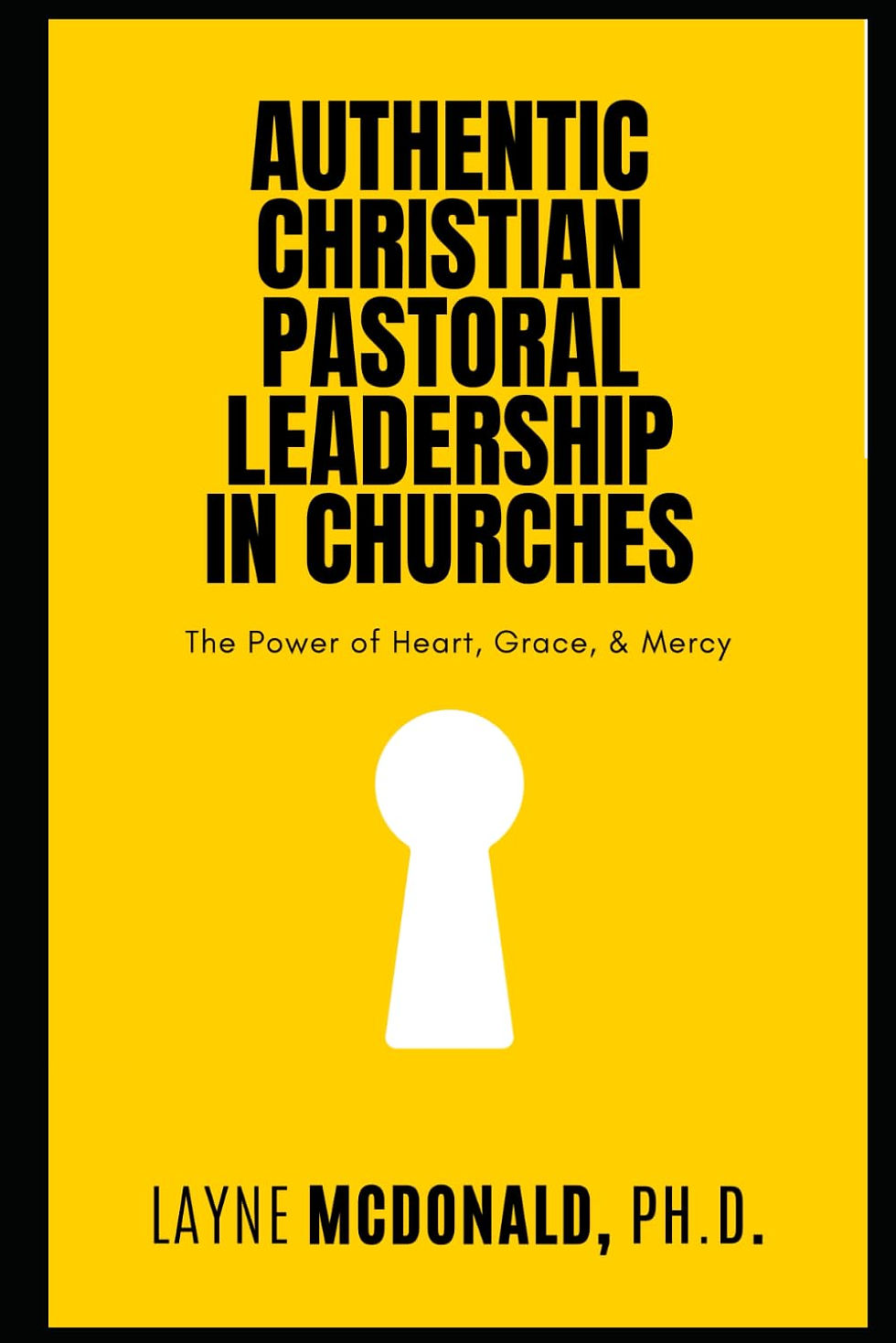
Book: Authentic Christian Pastoral Leadership in Churches - Chapter 3: Grace-Filled Leadership
- Dr. Layne McDonald
- May 28
- 6 min read

Grace is a fundamental principle in Christian leadership. It is by grace that we are saved, and it is by grace that we lead. Grace transforms lives, restores relationships, and creates a culture of forgiveness and growth.
Understanding Grace
Grace is the unmerited favor of God. It is a gift that we receive, not because of our actions, but because of God’s love and mercy. Ephesians 2:8-9 states, "For it is by grace you have been saved, through faith—and this is not from yourselves, it is the gift of God—not by works, so that no one can boast."
In leadership, grace means showing kindness, forgiveness, and understanding, even when it is not deserved. It involves creating an environment where people feel valued and supported, and where mistakes are met with compassion rather than judgment.
The Transformative Power of Grace
Grace has the power to transform individuals and communities. It breaks down barriers, heals wounds, and fosters a culture of acceptance and love. The story of the Prodigal Son (Luke 15:11-32) illustrates the transformative power of grace. The father's unconditional love and forgiveness for his wayward son exemplify the grace that we are called to extend to others.
In a leadership context, grace can transform a church community. When leaders model grace, it sets the tone for the entire congregation. People feel safe to be themselves, to admit their mistakes, and to seek growth without fear of condemnation.
Implementing Grace in Leadership
Forgiveness
Forgiveness is a cornerstone of grace-filled leadership. It involves letting go of resentment and extending grace to those who have wronged us. Jesus’ teachings on forgiveness are clear and profound. In Matthew 18:21-22, Peter asks Jesus how many times he should forgive his brother or sister who sins against him. Jesus responds, "I tell you, not seven times, but seventy-seven times."
Forgiveness fosters healing and unity within the congregation. It allows for relationships to be restored and for individuals to grow without the weight of past mistakes. As a leader, it is essential to model forgiveness and create an environment where it is practiced regularly.
Practical Steps to Forgiveness:
Acknowledge the Hurt: Recognize and validate the feelings of those who have been hurt. This shows empathy and understanding.
Choose to Forgive: Forgiveness is a choice. Decide to let go of the resentment and extend grace.
Seek Reconciliation: Take steps to restore the relationship. This may involve an apology, a conversation, or a gesture of goodwill.
Encourage Forgiveness: Teach and encourage your congregation to practice forgiveness. Share biblical teachings and personal stories to illustrate its importance.
Encouragement
Encouragement is a powerful expression of grace. It involves recognizing the potential in others and supporting them in their growth. In 1 Thessalonians 5:11, Paul writes, "Therefore encourage one another and build each other up, just as in fact you are doing."
Encouragement fosters a positive and supportive environment. It helps individuals to feel valued and motivated to pursue their calling. As a leader, it is important to be intentional in offering encouragement and to create opportunities for others to do the same.
Practical Steps to Encourage Others:
Personal Affirmation: Take time to recognize and affirm the efforts and achievements of individuals. A simple word of encouragement can have a profound impact.
Public Recognition: Acknowledge the contributions of individuals publicly. This not only encourages the person but also sets an example for others.
Provide Opportunities: Create opportunities for individuals to grow and develop their skills. Encourage them to take on new challenges and support them in their journey.
Foster a Culture of Encouragement: Promote a culture where encouragement is a regular practice. Encourage your congregation to uplift and support one another.
Patience
Patience is an essential aspect of grace-filled leadership. It involves understanding that growth and change take time and being willing to support others through their journey. In Galatians 5:22-23, patience is listed as a fruit of the Spirit, highlighting its importance in the Christian life.
Patience allows for a supportive and understanding environment. It fosters trust and encourages individuals to take steps towards growth without fear of judgment. As a leader, it is important to model patience and to create a culture where it is practiced.
Practical Steps to Practice Patience:
Set Realistic Expectations: Understand that growth takes time. Set realistic expectations for yourself and others.
Offer Support: Be available to support and guide others in their journey. Offer encouragement and assistance as needed.
Celebrate Progress: Recognize and celebrate small steps of progress. This encourages continued growth and fosters a positive environment.
Model Patience: Demonstrate patience in your interactions. Show understanding and empathy, and avoid rushing others in their journey.
Creating a Culture of Grace
Creating a culture of grace within your church involves encouraging congregants to embody grace in their interactions. This culture fosters an environment of support, forgiveness, and mutual respect.
Strategies to Create a Culture of Grace:
Model Grace: Lead by example. Demonstrate grace in your actions and interactions, setting a standard for others to follow.
Teach Grace: Incorporate teachings on grace into your sermons, Bible studies, and other educational programs. Help congregants understand the importance of grace and how to practice it.
Celebrate Grace: Acknowledge and celebrate acts of grace within your congregation. This reinforces the value of grace and encourages others to follow suit.
Provide Support: Offer support and resources for those struggling to practice grace. This might include counseling, mentoring, or educational materials.
Real-Life Examples of Grace-Filled Leadership
Nelson Mandela
Nelson Mandela’s leadership in post-apartheid South Africa is a powerful example of grace. Despite the injustices he faced, Mandela chose to forgive and work towards reconciliation, fostering a new era of unity and peace.
Mandela’s leadership was marked by his commitment to forgiveness and reconciliation. He established the Truth and Reconciliation Commission, which allowed victims and perpetrators of apartheid-era violence to come forward, tell their stories, and seek forgiveness. This process of grace and forgiveness helped to heal a deeply divided nation and set the stage for a more inclusive and peaceful future.
Practical Lessons from Nelson Mandela’s Leadership:
Choose Forgiveness: Mandela’s choice to forgive rather than seek revenge set a powerful example of grace. Leaders can follow this example by choosing to forgive and promote reconciliation.
Foster Reconciliation: Mandela’s establishment of the Truth and Reconciliation Commission demonstrates the importance of creating opportunities for healing and reconciliation. Leaders can create similar opportunities within their communities.
Promote Unity: Mandela’s leadership fostered unity and inclusivity. Leaders can promote these values within their congregations, creating a culture of acceptance and love.
Corrie ten Boom
Corrie ten Boom’s story is a testament to the power of grace and forgiveness. After surviving a concentration camp during World War II, ten Boom chose to forgive her captors and work towards healing and reconciliation.
In her book, "The Hiding Place," ten Boom recounts the moment she met one of her former guards after the war. Despite the pain and suffering she endured, she chose to extend her hand in forgiveness. This act of grace not only brought healing to her but also to the guard, who was deeply moved by her forgiveness.
Practical Lessons from Corrie ten Boom’s Leadership:
Extend Grace: Ten Boom’s choice to forgive her captors exemplifies the power of grace. Leaders can follow her example by extending grace and forgiveness to others.
Seek Healing: Ten Boom’s story highlights the importance of seeking healing and reconciliation. Leaders can create opportunities for healing within their communities.
Promote Forgiveness: Ten Boom’s story serves as a powerful example of the importance of forgiveness. Leaders can teach and encourage their congregations to practice forgiveness.
Modern Church Leaders
Many modern church leaders demonstrate grace in their leadership, impacting their congregations and communities profoundly. These leaders handle conflicts with compassion, support their congregants through difficult times, and create inclusive, loving church environments.
Practical Lessons from Modern Church Leaders:
Handle Conflicts with Compassion: Modern church leaders who handle conflicts with compassion set a powerful example of grace. Leaders can follow this example by addressing conflicts with understanding and a commitment to reconciliation.
Support Congregants Through Difficult Times: Modern church leaders who support their congregants through difficult times demonstrate the power of grace. Leaders can follow this example by offering support and encouragement to those in need.
Create Inclusive, Loving Environments: Modern church leaders who create inclusive, loving environments foster a culture of grace. Leaders can follow this example by promoting acceptance and love within their congregations.
Reflection and Prayer
As we reflect on the role of grace in pastoral leadership, it is essential to recognize that grace-filled leadership is a continuous journey of growth and transformation. It requires a daily commitment to extending grace, seeking forgiveness, and promoting reconciliation.
Take a moment to reflect on your leadership journey. Consider the following questions:
How can I embody grace more fully in my interactions?
In what ways can I foster a culture of grace within my congregation?
How can I address conflicts with grace and promote reconciliation?
Let us pray:
"Lord, thank You for the gift of grace. Help me to embody grace in my leadership, showing kindness, forgiveness, and understanding in all my interactions. Grant me the wisdom to foster a culture of grace within my congregation, and the strength to address conflicts with compassion and a commitment to reconciliation. May my leadership reflect Your love and bring glory to Your name. Amen."
Read more at:
Comments