
Cultivating Belonging: Moving Beyond Attendance Metrics
- Dr. Layne McDonald
- Mar 6
- 4 min read

Updated: May 5
Have you ever walked into a room full of people and still felt completely alone? Maybe you've even experienced this at church, surrounded by hundreds of fellow believers, yet wondering if anyone would notice if you simply stopped showing up.
Here's a truth that might sting a little: counting heads isn't the same as touching hearts. And if we're honest with ourselves as church leaders and ministry teams, we've sometimes confused a full sanctuary with a thriving community.
It's time we talk about the difference between attendance and belonging, and why your church community in Memphis (or anywhere else) desperately needs to make this shift.
The Numbers Game We've Been Playing
For decades, church health has been measured by a familiar set of metrics: Sunday attendance, giving totals, and program participation. These numbers aren't meaningless, they tell part of the story. But they're dangerously incomplete.
Think about it this way: A person can show up every Sunday, sit in the same pew, drop their tithe in the offering plate, and leave without a single meaningful conversation. Week after week. Year after year.
Is that person connected? Technically, yes. Are they truly belonging? That's a different question entirely.

Belonging goes so much deeper than physical presence. It encompasses every daily interaction with peers, staff, and fellow members that communicates one powerful message: You matter here. You are valued. You are seen.
When we reduce ministry success to attendance figures, we miss the very heartbeat of what the early church demonstrated, a community so genuine that outsiders couldn't help but notice their love for one another.
What True Belonging Actually Looks Like
So what does authentic belonging feel like in a church community? It's the difference between being a number and being known.
True belonging means:
Someone notices when you're absent: and reaches out, not to guilt you, but because they genuinely missed you
Your gifts are recognized and utilized: you're not just filling a seat, you're fulfilling a purpose
You can be honest about your struggles: without fear of judgment or being "fixed"
Your voice matters in conversations: even when you're new or your opinion differs
You experience genuine friendship: relationships that extend beyond Sunday morning handshakes
Building belonging in your church community requires intentionality. It won't happen by accident, and it certainly won't happen by simply opening your doors wider.

Practical Steps to Cultivate Belonging
If you're ready to move beyond attendance metrics and start building a culture of true connection, here are some concrete strategies that actually work:
Create Opportunities for Voice and Purpose
People need to feel heard before they'll feel they belong. This means creating spaces where members can share their stories, contribute their ideas, and ask their questions.
Consider implementing:
Regular feedback sessions where members can share honestly about their experience
Opportunities for newer members to serve alongside established teams
Small group environments where everyone gets a chance to speak: not just listen
Leadership development pathways that empower people to step into their calling
When people know their voice matters, they invest differently in the community. Check out resources at famemphis.org/mission-and-vision to see how one Memphis church approaches purposeful community building.
Strengthen Relationships Beyond Sunday Morning
Here's something powerful: the relationships that create belonging rarely happen in rows facing the same direction. They happen face-to-face, in casual conversations, over shared meals, and during activities that have nothing to do with "official" church programming.
Some ideas to consider:
Recreational activities that bring people together around shared interests (like sports leagues or community events)
Intergenerational gatherings where different age groups learn from each other
Service projects that unite people around a common mission
Hospitality training for your entire congregation: not just greeters

Know Your People as Whole People
This one requires effort, but it transforms everything. When your leadership team knows that Sarah is caring for aging parents, that Marcus just started a new business, or that the Johnson family is navigating a difficult season: you can support them in meaningful ways.
Belonging happens when people feel known beyond their church attendance record.
Pay Special Attention to Transitions
Some of the most vulnerable moments for belonging happen during transitions: when someone first visits, when they move from attendee to member, when they experience major life changes, or when they've been absent for a stretch.
These transition points are opportunities to deepen connection: or to lose people entirely. A simple phone call, a personal invitation back, or a check-in during a hard season can make all the difference.
Measuring What Matters
If we're going to move beyond attendance metrics, we need different ways to gauge health. Here are some questions worth asking:
Are people forming genuine friendships within our community?
Do members feel comfortable being vulnerable and authentic?
Are we retaining people through their first year of connection?
Do people from all backgrounds feel equally welcome and valued?
Are we developing leaders, or just filling volunteer slots?
Research shows that when people truly feel they belong, retention increases dramatically. One study found that a meaningful increase in sense of belonging correlated with a three-percentage-point increase in persistence through year three. When people feel valued, they stay: and they grow.
The Kingdom Impact of Belonging
When we get this right: when we build churches where people genuinely belong rather than simply attend: something beautiful happens. We create communities that reflect the heart of God.
Think about how Jesus built His inner circle. He didn't just gather crowds (though He certainly drew them). He invested deeply in twelve men, sharing meals with them, knowing their families, walking through their failures, and celebrating their growth.
The crowds came and went. But the disciples who belonged? They changed the world.
Your church community in Memphis has that same potential. Every person who walks through your doors is searching for more than information or inspiration. They're searching for connection. For family. For a place where they truly belong.
Your Next Step
Building belonging isn't a program you implement: it's a culture you cultivate. It requires patience, intentionality, and a willingness to measure success differently than the world does.
Start by asking yourself: In my ministry context, who might be attending but not truly belonging? What's one step I could take this week to help them feel more known, more valued, more connected?
The answers to those questions might just transform your community from the inside out.
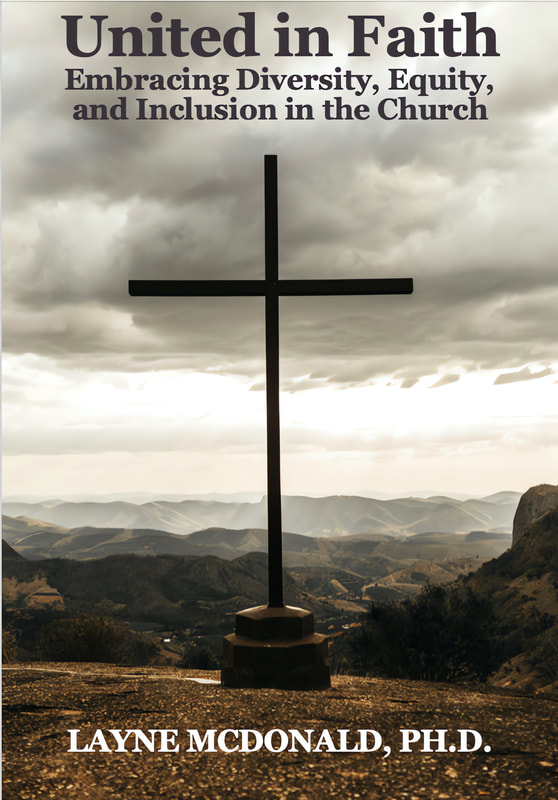
Ready to go deeper? Dr. Layne McDonald offers coaching and resources specifically designed to help church leaders build thriving, connected communities. Explore more at laynemcdonald.com and discover practical tools for transforming your ministry culture.
Comments