
Culture Over Strategy: Building a Church Where People Belong
- Dr. Layne McDonald
- Jun 9
- 5 min read


Your mission statement looks great on paper. Your strategic plan is bulletproof. But if your church culture is toxic, none of it matters.
That's the hard truth most leadership teams don't want to hear. We spend hours crafting vision documents and mapping out five-year plans, but we ignore the invisible force that determines whether any of it actually works: church culture.
Culture isn't what you say you value. It's what you actually reward, tolerate, and celebrate when nobody's watching.
The Strategy Trap
Here's what happens in most churches: Leadership creates an ambitious strategy. They roll it out with excitement. Six months later, it's gathering dust while the team falls back into old patterns.
Why? Because strategy without the right culture is just wishful thinking.
Peter Drucker nailed it decades ago: "Culture eats strategy for breakfast." Your church's culture: the beliefs, behaviors, and unspoken rules that guide daily decisions: will always overpower even the best strategic plan. Always.
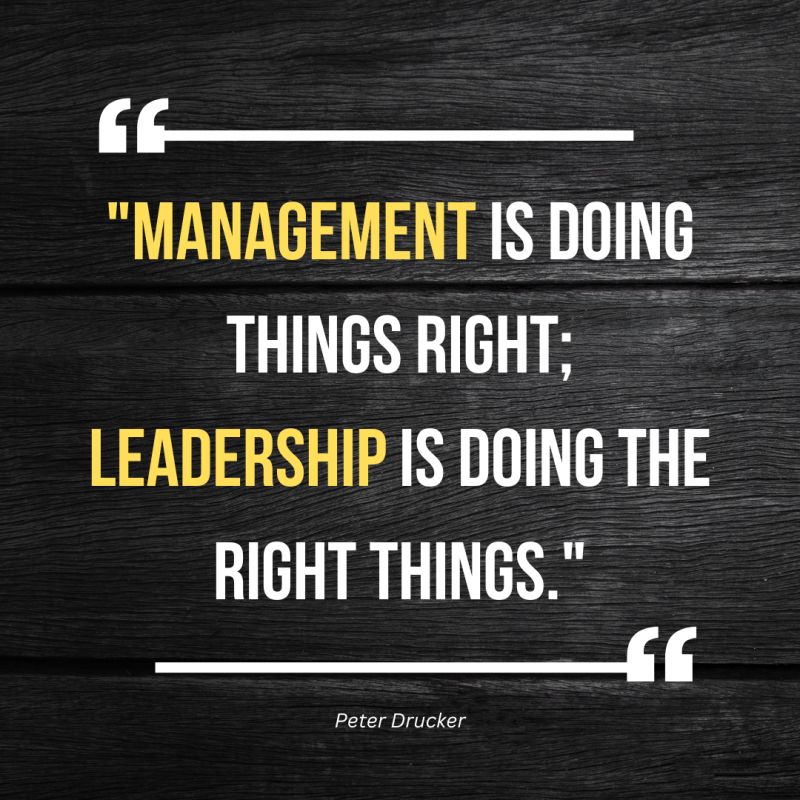
Think about it. You can have the most detailed outreach strategy in your denomination, but if your culture says "visitors are interruptions," people will feel it the moment they walk through the door. You can preach excellence from the platform, but if your culture tolerates mediocrity behind the scenes, your members know what you really value.
Church culture is the real driver of whether people feel they belong and want to stay. It's the difference between a church that grows and a church that merely survives.
What Healthy Church Culture Actually Looks Like
Healthy culture doesn't happen by accident. It's built on five non-negotiables:
Dependence on the Holy Spirit No amount of leadership savvy replaces spiritual discernment. Your best strategies should emerge from prayer, not just boardroom brainstorming. When decisions are made collaboratively with the Holy Spirit involved throughout the process, you avoid the trap of importing purely secular strategies that don't reflect the Kingdom's heart.
Trust Across Every Level People can smell distrust from a mile away. When leaders hoard information, micromanage, or refuse to delegate real authority, it creates a culture of fear and politics. Trust says, "I believe in your gifting and judgment enough to let you run with this."

Healthy Communication Passive-aggressive emails. Gossip disguised as "prayer requests." Leaders who never give straight answers. These communication patterns poison church culture faster than anything else. Healthy cultures prioritize direct, honest, grace-filled conversations.
Empowered, Gifted Leaders Your staff and volunteers shouldn't need permission for everything they do. Healthy structures give leaders freedom to be creative within their mission mandate and budget. This autonomy fosters investment and engagement throughout your leadership tiers.
Clear Core Values That Drive Behavior Most churches have values listed on their website. Few have values that actually shape daily decisions. The difference? Turning beliefs into behaviors across every area of church life: from how you handle conflict to how you celebrate wins.
Building a Culture Where People Belong
Ready to move from theory to practice? Here's your roadmap:
Start With Jesus, Not Systems
Make Jesus and the gospel so central and celebratory that they naturally support your cultural values. Your preaching serves as clear counsel about what kind of church you are. Don't just preach doctrine: preach the culture you want to create.
When Christ is the foundation, everything else finds its proper place. You're not building a religious club or a social organization. You're building a family where the Father's presence changes everything.
Identify Your Non-Negotiable Values
Grab your leadership team and answer this question: "What values are so essential that we'd fire someone for violating them: even if they're talented?"
Those are your core values. Not the ones you wish you had. The ones you'd actually enforce.
Then create specific action plans for turning each value from belief into behavior. If you say you value "authentic community," what does that look like on a Tuesday night small group? During a staff meeting? When someone shares a struggle?

Empower Leaders at Every Tier
Culture requires champions, trainers, teachers, and defenders. As your church grows, you can't be the sole guardian of culture. You need to develop tiers of leadership who will extend and protect your culture in their spheres of influence.
Give them real authority. Let them make decisions. Coach them when they mess up, but don't strip away their autonomy. The function of leadership is to produce more leaders, not more followers.
Model the Culture You Want to See
Your team watches everything you do. How you handle stress. How you respond to criticism. Whether you practice what you preach.
If you want a culture of vulnerability, you go first. If you want a culture of rest, you take your day off. If you want a culture where people matter more than programs, you cancel the meeting when your kid has a crisis.
Culture flows from the top. Always.
Course-Correct Quickly
The moment you see behavior that contradicts your values, address it. Not in a harsh, condemning way: but directly and lovingly.
When you tolerate behavior that violates your stated values, you're teaching everyone what you actually believe. Silence is endorsement.
The Payoff: A Church Where People Truly Belong
When you get culture right, something beautiful happens. People don't just attend: they belong. They don't just serve: they invest. They don't just show up: they bring others.
Healthy culture creates momentum that no strategic plan can manufacture. It attracts the right people and repels the wrong ones. It turns volunteers into leaders and visitors into family.
But here's the reality: Building this kind of culture is hard work. It requires constant attention, difficult conversations, and the courage to address issues most leaders would rather ignore.
You didn't get into ministry to become an expert in organizational culture. You got into it to reach people with the gospel. But the truth is, you can't do one without the other.
Ready to Build Something That Lasts?
Creating a healthy church culture doesn't happen overnight. It requires wisdom, strategy, and often, an outside perspective that can spot blind spots you've grown used to.
That's where coaching makes all the difference.
Dr. Layne McDonald specializes in helping church leaders build cultures where people don't just attend: they belong. With decades of experience as a pastor, published author, and professional coach, Layne combines biblical wisdom with proven leadership principles to help you create lasting change.
Visit www.laynemcdonald.com to explore coaching, mentorship, leadership resources, and practical tools designed specifically for church leaders like you. Every visit to the site raises funds for families who have lost children through Google AdSense: at absolutely no cost to you.
Need a spiritual home while you grow as a leader? Check out www.boundlessonlinechurch.org: a private online church where you can watch teachings, join family groups, and stay grounded in your faith, with or without signing up.
Your church culture is either working for you or against you. There's no middle ground.
Choose to build something that lasts.
Comments