
Handling the "Hard" Guest: Turning Friction into a Moment of Grace
- Dr. Layne McDonald
- Feb 10
- 6 min read

You see them coming from across the lobby. The tight jaw. The quick steps. The look that says, "I need to talk to someone right now."
Your stomach tightens. You take a breath. And you remember: this moment isn't about defending the church, protecting a policy, or proving you're right. This moment is about seeing a person the way Jesus sees them: frustrated, maybe hurting, and absolutely worth your full attention.
The "hard" guest isn't your enemy. They're your mission field, standing three feet away from you at the welcome desk.
The Heart Shift: From Defense to Presence
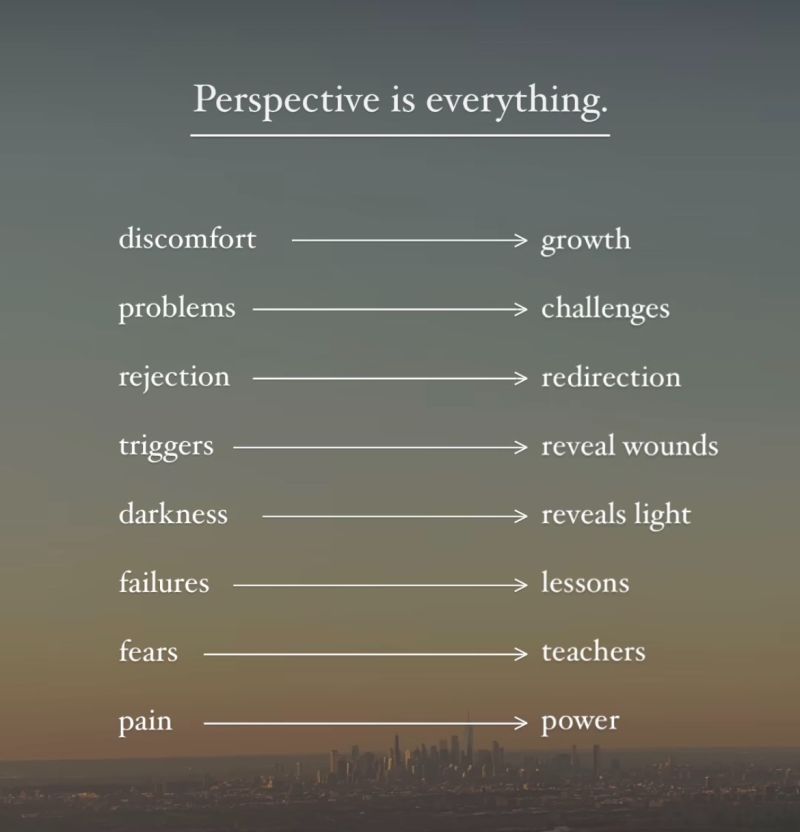
Most of us were never trained for this. We signed up to smile, hand out bulletins, and point people toward the auditorium. Nobody mentioned the guest who's upset about parking, disappointed with a ministry decision, or carrying pain from a past church hurt that just got triggered by something small.
Here's what changes everything: their frustration isn't about you.
Even when it feels personal: even when they're looking right at you and their voice is raised: the emotion is almost always about their situation, their unmet expectation, or a wound that has nothing to do with this Sunday morning. When you can mentally separate their pain from your responsibility to fix it instantly, you create space to actually help.
This doesn't mean you ignore the issue. It means you stop defending and start listening. You shift from "How do I get out of this?" to "How do I love this person well right now?"
That shift? That's where grace begins.
What They Actually Need (and It's Not What You Think)
Most difficult guests don't want a debate. They don't want a sermon. And they definitely don't want to hear why the church policy makes sense from an operational standpoint.
They want to be seen, heard, and helped.
That's it.
Think about the last time you were frustrated: maybe at a restaurant, a store, or even on the phone with customer service. What made it better? Probably not the lengthy explanation about why the problem happened. It was the moment someone looked you in the eye and said, "I hear you. Let me see what I can do."
Your most powerful tool isn't your knowledge of the church handbook. It's your ability to make someone feel like they matter. Because they do.

The Practical Steps: Grace in Action
Here's how you turn friction into connection, one difficult conversation at a time.
1. Stay Calm (Seriously, This Is Half the Battle)
Your body language and tone set the emotional temperature of the entire interaction. If you're defensive, rushed, or visibly annoyed, the guest will mirror that energy. If you're calm, open, and present, they'll often start to soften.
What this looks like:
Uncross your arms
Make eye contact
Take a slow breath before you respond
Keep your voice steady and warm
You're not trying to be a robot. You're choosing to be the thermostat, not the thermometer. You're setting the tone instead of reacting to theirs.
2. Listen Like Jesus Would
Active listening is not a strategy. It's an act of love. When someone is upset, they need to be heard before they can be helped. Give them your full attention. Let them finish. Don't interrupt to correct details or defend the church.
What this sounds like:
"I can see this has been really frustrating for you."
"Thank you for bringing this to my attention."
"Help me understand what happened so I can help."
Notice what's missing? Excuses. Justifications. Deflection. You're not agreeing that the church is wrong. You're simply acknowledging their experience. That acknowledgment is a gift.
3. Validate Their Feelings (Even If You Can't Fix the Problem)
You can't always change the policy, redo the event, or give them what they want. But you can always validate how they feel. Validation doesn't mean agreement. It means you recognize their emotions as real and understandable.
What this sounds like:
"I understand why that would be disappointing."
"If I were in your shoes, I'd feel the same way."
"That's not the experience we want anyone to have here."
This is where a lot of greeters panic because they think validation means admitting fault. It doesn't. It means you're honoring the person in front of you as someone whose feelings matter.
4. Move Toward a Solution (Quickly and Clearly)
Once they feel heard, shift into action mode. Guests don't want a long explanation about why things went wrong. They want to know what you're going to do about it right now.
What this sounds like:
"Here's what I can do for you..."
"Let me connect you with someone who can help with that immediately."
"I'm going to follow up with our team and make sure this doesn't happen again."
Be honest about what's possible. If you can't solve it on the spot, say so: but explain what the next step is and who will handle it. Transparency builds trust.

5. Apologize (Even When It's Not Your Fault)
A sincere apology isn't about assigning blame. It's about acknowledging that someone had a negative experience, and you wish it had gone differently.
What this sounds like:
"I'm really sorry this happened."
"I apologize for the confusion."
"We didn't get this right, and I'm sorry for the frustration that caused."
This is uncomfortable for a lot of people because we've been taught that apologizing means admitting we did something wrong. But in ministry, an apology is an act of humility. It says, "Your experience matters more than my need to be right."
6. Know When to Bring in Backup
Some situations are beyond your authority or training. And that's okay. If the guest is asking for something you can't provide, or if the conversation is escalating, it's time to involve a leader.
What this sounds like:
"I want to make sure you get the best help possible, so I'm going to bring in [name] who oversees this area."
"Let me get someone who has more insight into this than I do."
You're not passing the buck. You're showing the guest that you take their concern seriously enough to involve the right person.
The Follow-Up: Closing the Loop
Here's the part most people skip: and it's the difference between a one-time resolution and a long-term relationship. After the situation is resolved, follow up.
Send a quick text or email. Stop by their seat the next Sunday. Ask how they're doing. Show them that the interaction wasn't just about checking a box. It was about caring for them as a person.
This follow-up transforms a difficult moment into a story they'll tell others: "I had an issue, and they actually cared."
The Bigger Picture: Why This Matters
Every difficult guest interaction is a test. Not a test of your knowledge or your patience: but a test of whether the church's mission shows up in the lobby, not just on the platform.
People are watching. They're wondering if grace is just a sermon topic or if it's something you actually live out when it's inconvenient.
The greeter who stays calm, listens well, and treats a frustrated guest with dignity is preaching a sermon louder than any Sunday message. You're showing people that they are seen, valued, and worth the effort: even on their worst day.

That's the heart of Christ in action.
You Don't Have to Do This Alone
If you're reading this and thinking, "I need more tools for this," you're not alone. Leading with grace under pressure is a skill, and skills can be learned.
At www.laynemcdonald.com, you'll find coaching, resources, and practical training to help you grow as a leader: whether you're greeting guests, managing a team, or navigating your own faith journey. Every visit to the site also helps raise funds for families who have lost children through Google AdSense, at no cost to you. You're not just learning: you're making a difference simply by showing up.
And if you're looking for a spiritual home where you can stay grounded, connected, and encouraged, check out www.boundlessonlinechurch.org. It's a private online community where you can watch teachings, join family groups, and grow in faith: with or without signing up. You belong there.
The "hard" guest isn't a problem to solve. They're a person to love. And when you show up with the heart of Christ, even friction becomes an opportunity for grace.
Wix Master Category: Frontline Presence

Comments