
7 Mistakes Church Leaders Make with Community Building (and How to Fix Them)
- Dr. Layne McDonald
- Feb 12
- 5 min read

Updated: May 4
Community doesn't happen by accident. And yet, so many church leaders, myself included, have stumbled through building it like we're assembling IKEA furniture without instructions. We get excited, rush ahead, skip steps, and wonder why the whole thing wobbles.
If your church feels more like a collection of strangers than a tight-knit family, you're not alone. The good news? Most community-building mistakes are fixable once you know what to look for.
Mistake #1: Treating Other Leaders Like Competition
Here's the uncomfortable truth: when you measure your success by comparing your small group's attendance to another leader's numbers, you've already lost the plot. Community thrives on collaboration, not competition.
I've watched young leaders (and some not-so-young ones) turn ministry into a weird game of one-upmanship. "Our group had twelve people last week." "Oh yeah? Ours had fifteen." Meanwhile, the people in those groups feel the tension and quietly check out.
The Fix: Ground yourself in Scripture before you ground yourself in strategy. Your identity isn't tied to attendance numbers or how "exciting" your ministry looks on Instagram. Invest in personal development, read from proven leaders, find a mentor, and build spiritual disciplines that remind you who you're really serving. When your leadership flows from your relationship with God, you stop worrying about the scoreboard.
Mistake #2: Skipping the "Why" When You Share Vision
You've spent weeks praying, planning, and preparing a new initiative. You roll it out on Sunday morning with enthusiasm. And then... crickets. Or worse, pushback.
What happened? You forgot that people can't read your mind. They didn't sit in on those prayer sessions or leadership meetings. Without context, even brilliant ideas feel arbitrary and top-down.
The Fix: Over-communicate. Share your heart before you share your strategy. Explain how the decision aligns with biblical community principles. Ask for feedback, and actually listen to it. When people feel heard and understand your motivation, they become partners in the mission instead of passive attendees.

Mistake #3: Building Activities Before Building Trust
Retreats are fun. Service projects are meaningful. But if you haven't built a foundation of regular connection and trust first, those big events become shallow photo ops instead of transformative experiences.
I've seen leaders rush to plan the "epic retreat" before their group has even learned each other's last names. Then they're confused when the deep conversations don't happen and people scatter after the event ends.
The Fix: Start small and build deliberately. Create regular, predictable opportunities for people to share stories, pray together, and show up consistently. Trust is built through repetition and vulnerability over time, not through one intense weekend. Once you've got that foundation, then plan your events, they'll actually mean something.
Mistake #4: Focusing on One Element and Ignoring the Rest
Some leaders are so passionate about Bible study that their community feels like a theology seminar. Others emphasize fellowship so heavily that spiritual depth suffers. Both approaches create environments where only certain personality types feel valued.
If your community only appeals to one kind of person, you're not building biblical community, you're building a club.
The Fix: Look at Acts 2:42-47 and audit your community honestly. Are you creating space for teaching? Fellowship? Breaking bread together? Prayer? Worship? Serving? Sharing life? Ask your community members what feels missing and listen carefully. Balance doesn't mean equal time for everything; it means making room for different ways people connect with God and each other.

Mistake #5: Making Yourself the Center of Every Relationship
It's easy to fall into this trap, especially if you're naturally relational. You want to be there for everyone. You check in on every person. You're the glue holding everything together.
Except here's the problem: when you're everyone's best friend, you create dependency instead of community. People come to you for all their spiritual needs instead of connecting with each other. And you burn out trying to maintain deep relationships with too many people.
The Fix: Embrace your role as a community catalyst, not everyone's closest friend. Your job is to help others connect with each other and with Christ, not to be the hub of every conversation. Invest deeply in a few key leaders who can then invest in others. Model healthy boundaries. Create environments where people naturally form meaningful connections with each other. That's sustainable leadership.
Mistake #6: Forgetting That Consistency Beats Intensity
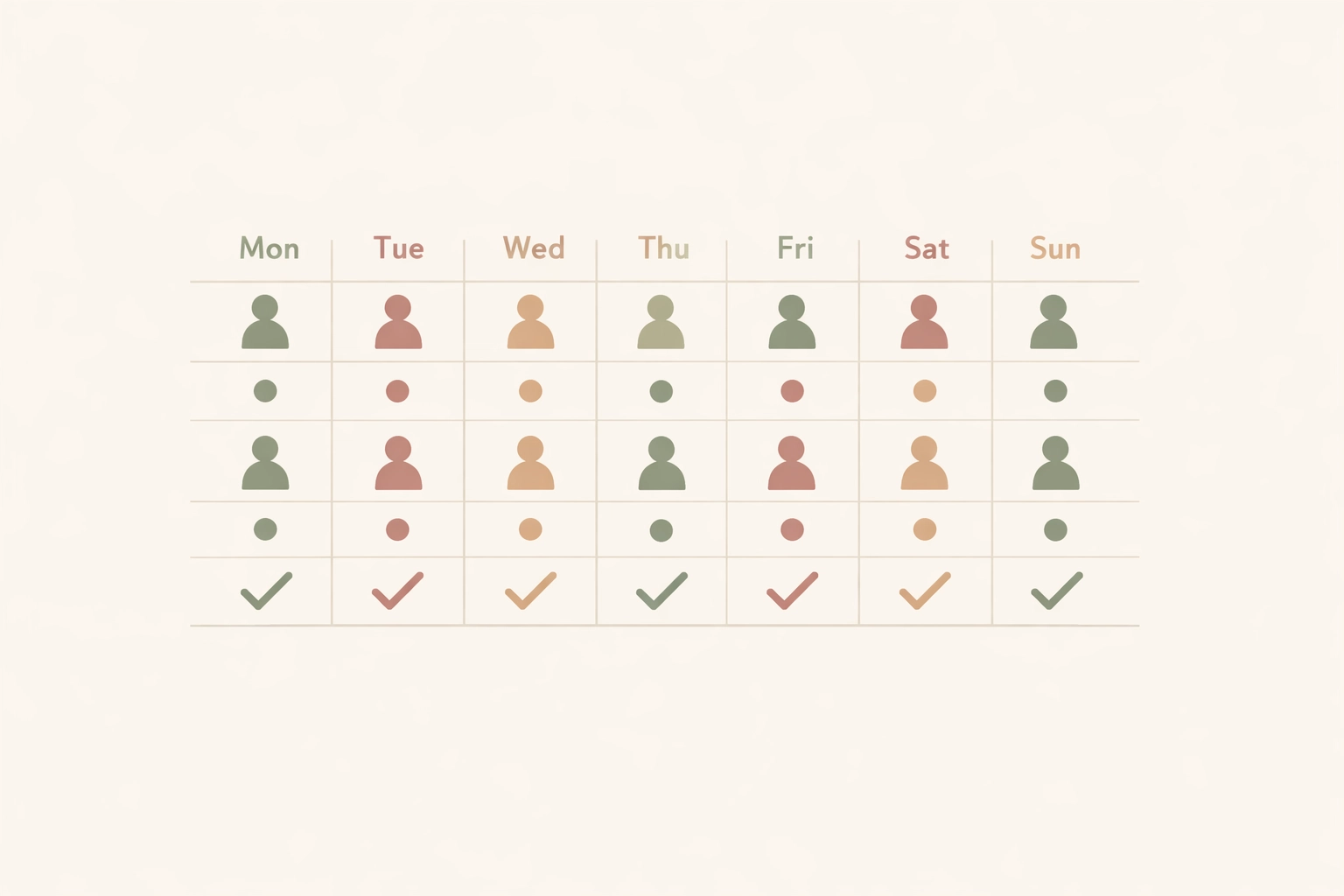
We love the mountaintop moments, the powerful worship nights, the tear-filled prayer meetings, the breakthrough conversations. But community isn't built on emotional highs. It's built on showing up week after week, even when it's boring.
Leaders who chase intensity burn out their communities. People can't sustain that level of emotional energy, and when the highs inevitably fade, they feel like they're failing.
The Fix: Prioritize consistency over fireworks. Create rhythms people can count on, regular meeting times, predictable structures, reliable leadership presence. Celebrate the mundane victories: someone showing up for the third week in a row, a quiet conversation over coffee, a simple text check-in. These are the bricks that build lasting community, not the flashy events.
Mistake #7: Assuming People Know They Belong
You might think your community is welcoming. You smile at newcomers. You make announcements about small groups. But if you're not actively inviting people into deeper connection, many will assume the door is closed.
People don't naturally assume they're wanted. They need explicit invitations, repeated affirmations, and visible pathways into community life.
The Fix: Make belonging visible and accessible. Assign someone to personally invite newcomers to coffee or lunch, not just hand them a bulletin. Create clear next steps for people who want to go deeper. Follow up with people who visit once. Repeat invitations, research shows it often takes multiple asks before someone feels comfortable saying yes. Don't assume; invite.
Takeaway & Next Steps
Building biblical community is messy, slow work. You'll make mistakes. You'll overcorrect. You'll get frustrated when people don't engage the way you hoped.
But here's what matters: you keep showing up. You keep learning. You keep pointing people to Jesus instead of to yourself.
Start today by picking one mistake from this list that hits closest to home. Don't try to fix all seven at once: that's just another version of rushing ahead without a plan. Pick one, implement one fix, and give it a few months to take root.
Community isn't built in a weekend. It's built in a thousand small decisions to show up, listen well, and create space for people to encounter God and each other.
Let's Stay Connected
If this post resonated with you or challenged your thinking about church leadership, I'd love to hear from you. You can reach out to me on the site at laynemcdonald.com or connect with a growing online community of faith-driven leaders at Boundless Online Church.
Also, simply browsing the site helps support families in need through ad revenue at no cost to you.
If you found this helpful, share it with another church leader who might need the encouragement. We're all learning together, and that's exactly how community should work.
Comments