
The Theology of the Eye: Why Looking at Someone is a Form of Worship
- Dr. Layne McDonald
- Feb 12
- 5 min read

When was the last time someone truly saw you? Not just looked at you, but saw you: with full presence, with warmth, with the kind of attention that says, "You matter"?
If you serve on a greeting team, at the door, or at an information desk, you hold one of the most sacred roles in the church. You are often the first person a guest encounters. And the simple act of looking at them: really looking: is more than customer service. It's a form of worship.
The Pupil as Portal
In Orthodox Christian theology, the human eye isn't just a biological instrument. It's a point of divine encounter. When you look into someone's eyes, you're not just exchanging information. You're stepping into something mystical.
One theological reflection puts it this way: "Through the encounter with the pupil of another human being, we fall directly into the other's personal infinity." The pupil: that small, dark circle in the center of the eye: becomes a meeting place. A portal where the infinite nature of a person, made in God's image, is condensed into a single point.
Byzantine icon painters understood this. They deliberately emphasized the pupil in their art, recognizing it as the threshold where the Divine meets the human. When you look at an icon, the eyes look back. They don't just represent a saint; they invite you into the presence of God.

This isn't mysticism for mysticism's sake. This is the theology of presence. And it applies directly to your role as a greeter.
Why Eye Contact Matters in Ministry
Eye contact isn't a trick. It's not about making someone feel comfortable so they'll come back next week. It's deeper than that.
When you look at someone: when you truly see them: you're declaring something profound: You are made in the image of God, and I honor that.
You're not scanning the room for the next person. You're not distracted by the bulletin in your hand or the conversation happening behind you. You're fully present. And in that moment, you're offering a reflection of how Christ sees them.
Jesus didn't multi-task when He encountered people. He stopped. He looked. He saw Zacchaeus in the tree. He noticed the woman at the well. He made eye contact with the rich young ruler and loved him.
Your ministry at the door or the welcome desk is an echo of that. It's a small act with eternal weight.
The Difference Between Looking and Seeing
There's a difference between glancing and gazing. Between acknowledging and truly seeing.
Looking says, "I see you're here." Seeing says, "I see you."
Here's what seeing looks like in practice:
Stop moving. Even if just for a few seconds, pause. Turn your body toward them.
Make eye contact before you speak. Don't start talking while you're looking down at a bulletin or pointing toward the sanctuary.
Hold the gaze just a beat longer than feels comfortable. Not in a creepy way: just long enough to communicate: I'm here. You're not invisible.
Smile with your eyes. A genuine smile starts in the eyes. It's not just a stretched mouth. It's warmth that starts from within.
This isn't manipulation. It's ministry. And it changes the atmosphere of your church.

The Theology of Being Seen
Most people walk through life feeling unseen. They're a transaction at the grocery store, a number at the DMV, a profile picture on a screen. They navigate crowds without truly connecting. They speak without being heard. They exist without being noticed.
And then they walk into your church.
What if the first thing they experience is someone who stops, looks them in the eye, and treats them like they matter? What if they feel, for the first time all week, seen?
That's not just hospitality. That's the Gospel made visible.
The Bible tells us that God sees. He saw Hagar in the wilderness and she called Him "the God who sees me." He saw David when everyone else saw a shepherd boy. He saw the widow's offering when everyone else saw the rich man's gift.
When you see someone: when you look them in the eye with intention and warmth: you're echoing the character of God. You're saying, "You're not a number. You're a person. You're loved."
Practical Ways to Practice the Ministry of the Eye
Let's make this actionable. Here are five ways to grow in this practice:
1. Pray Before You Serve
Before you step into your role as a greeter, take 30 seconds to pray: "God, help me see people the way You see them. Let my eyes be a reflection of Your love."
2. Eliminate Distractions
Put your phone away. Don't check it between guests. If you're at the information desk, close unnecessary tabs on the computer. Be fully present.
3. Practice the 3-Second Rule
When someone approaches, make eye contact and hold it for at least three seconds before you speak. It feels long at first, but it communicates presence.
4. Notice One Thing
As you greet someone, notice one specific thing about them. The color of their shirt. The sound of their voice. The expression on their face. It trains you to see, not just look.
5. Slow Down
You don't have to rush. Even in a busy lobby, you can create a pocket of calm by slowing your pace, your breathing, and your speech. Let your presence set the tone.
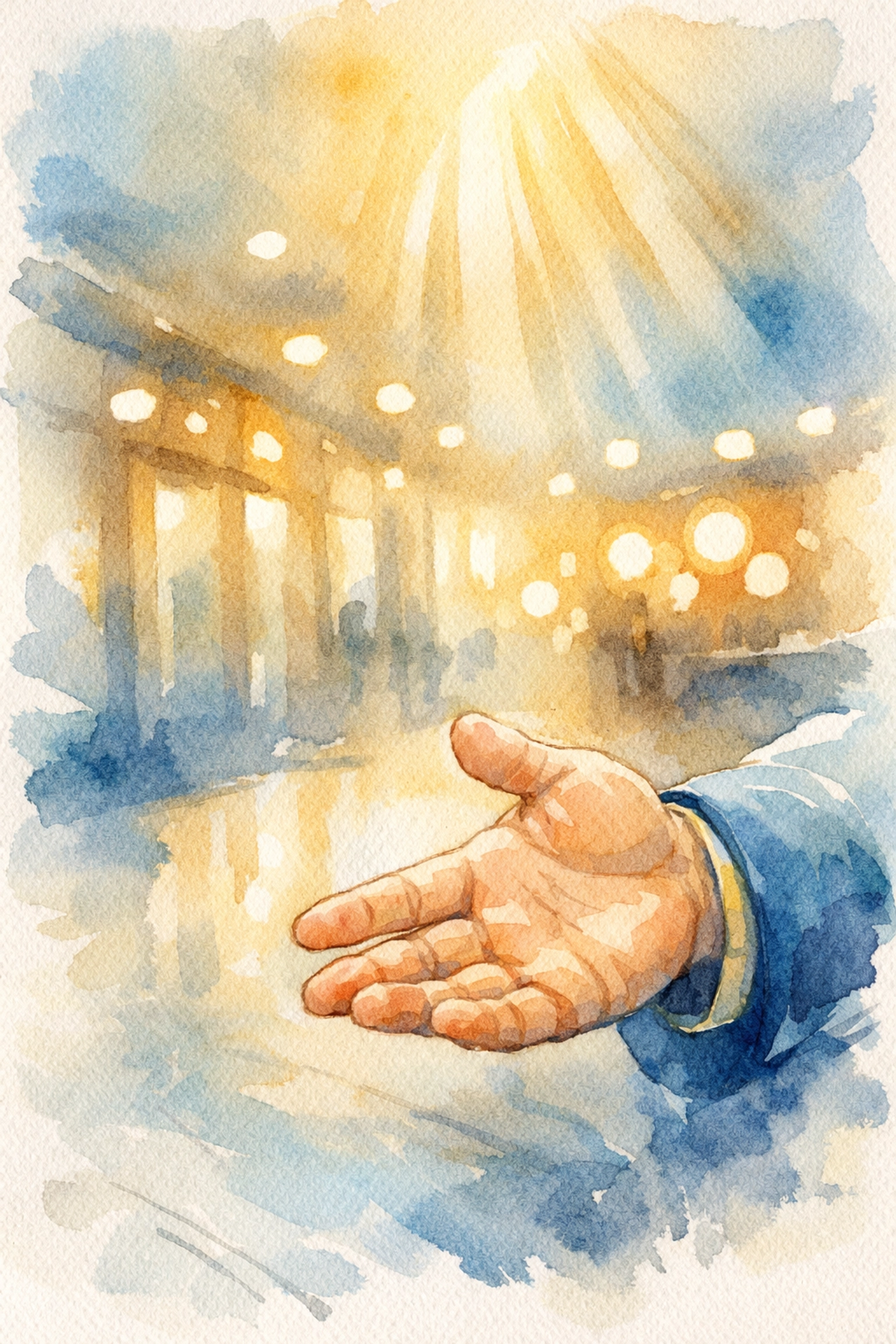
When the Eye Becomes an Act of Worship
Worship isn't just singing songs or lifting hands. Worship is any act that honors God and reflects His nature.
When you look at someone with full attention, you're worshiping God by honoring His image in them. You're declaring that they're not an interruption, not a task to check off, not a problem to solve. They're a person: fearfully and wonderfully made: and they deserve to be seen.
This shifts everything. Your role isn't just functional. It's formational. You're shaping the culture of your church with every interaction. You're teaching people what it means to belong, to be known, to be loved.
And it starts with the simple act of looking.
The Power of One Moment
You might think, "I'm just a greeter. I only have a few seconds with each person. How much difference can I really make?"
More than you know.
One moment of being truly seen can change someone's day. It can change their week. It can be the reason they come back. It can be the first step in a journey toward healing, toward community, toward Christ.
Don't underestimate the power of presence. Don't rush past the sacred opportunity to see someone the way God sees them.
You're not just welcoming guests. You're offering a glimpse of the Kingdom: where every person is known, loved, and valued.
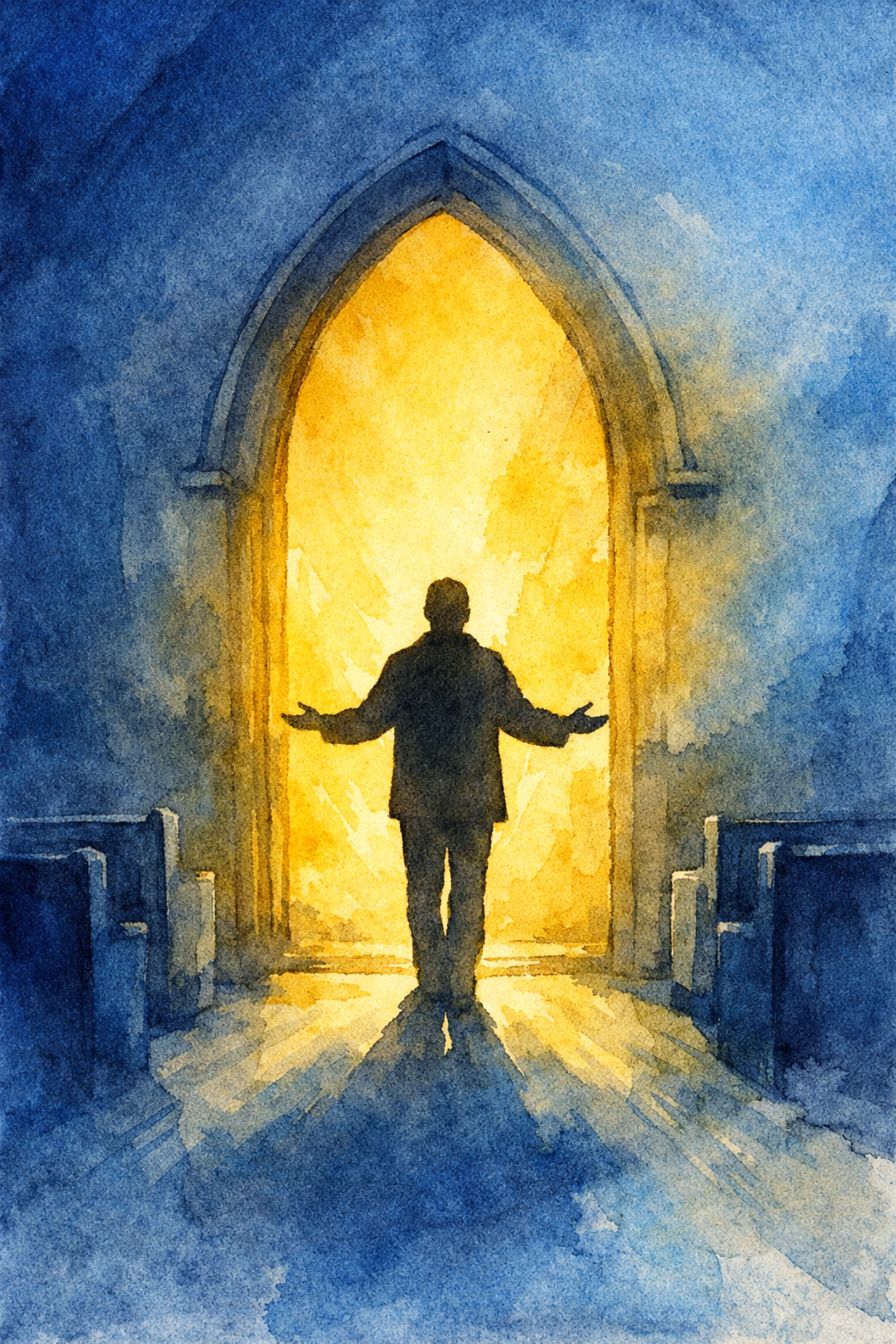
The Call to See
This Sunday, when you step into your role, remember: you're not just checking a box. You're participating in something holy.
Every person who walks through those doors is a priceless child of God. And the simple act of looking at them: truly seeing them: is a form of worship.
So slow down. Make eye contact. Let your gaze communicate what words can't: You matter. You're seen. You're welcome here.
That's the theology of the eye. And it's one of the most powerful ministries in the church.
If you want more practical training on building a culture of presence and connection in your church, visit www.laynemcdonald.com for coaching, resources, and faith-based tools that will help you grow as a leader. Every visit to the site also raises funds for families who have lost children through Google AdSense: at no cost to you. Your engagement is an act of love.
Wix Master Category: Frontline Presence
Comments