
Leading with Emotional Intelligence: The Pastor's Guide
- Dr. Layne McDonald
- Jun 9
- 5 min read

You just wrapped up a difficult board meeting. One elder is frustrated. Another is defensive. The tension in the room is thick enough to slice with a butter knife. And you? You're supposed to lead everyone forward.
Here's the truth: your theological training prepared you to exegete Scripture, but it probably didn't teach you how to navigate the emotional minefield of leadership. That's where emotional intelligence comes in: and it's not optional for pastors who want to lead like Jesus.
What is Emotional Intelligence, Really?
Emotional intelligence (EQ) is your ability to recognize, understand, and manage your own emotions while empathizing with the emotions of others. It's not about being "soft" or overly sensitive. It's about being aware: of yourself, of others, and of the Holy Spirit's work in both.
Research shows that over 70% of workplace success is attributed to emotional intelligence rather than IQ. And if you think that doesn't apply to ministry, think again. Every conflict you navigate, every counseling session you lead, every team meeting you run: EQ is at work.
Servant leadership isn't just about serving others sacrificially. It's about serving them wisely. And wisdom includes knowing how your words land, how your tone affects others, and when your own emotional baggage is getting in the way of ministry.
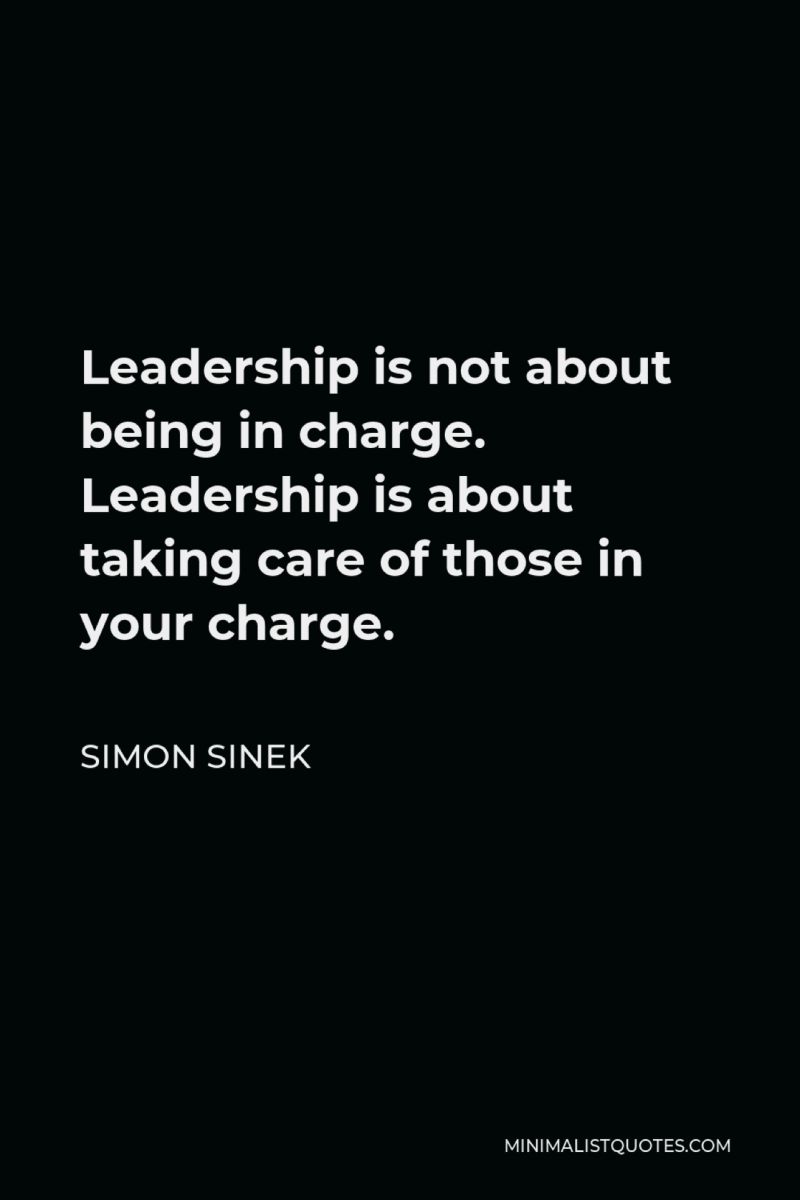
The Four Pillars of Emotionally Intelligent Leadership
Emotionally intelligent pastors excel in four key areas:
Personal Insight: This is understanding your own emotions deeply: including the fears, expectations, and emotional habits that surface under stress. You know what triggers you. You recognize when you're leading from insecurity instead of identity in Christ.
Personal Mastery: This is controlling and regulating your emotional responses. It doesn't mean stuffing feelings down or pretending everything is fine. It means choosing your response instead of reacting impulsively. It's the pause between stimulus and response.
Relational Insight: This is reading, understanding, and empathizing with others' emotions with genuine compassion. You can sense when someone is struggling even when they say "I'm fine." You notice the subtle shifts in a room.
Relational Mastery: This is using emotional reasoning and persuasive communication to move people forward authentically: not manipulatively. You inspire instead of intimidate. You invite instead of demand.
Building Self-Awareness: Your Foundation
Self-awareness is the cornerstone of emotional intelligence. Without it, you'll project unresolved issues onto your congregation, make decisions from hidden wounds, and wonder why ministry feels so exhausting.
Here's how to grow it:
Daily Reflection: Set aside time each day to reflect on your emotional responses and seek God's guidance. Ask yourself: "Lord, what am I feeling and what are You inviting me to notice?" Journal your thoughts. Track patterns. Notice what situations consistently trigger frustration, defensiveness, or anxiety.
Seek Feedback: Engage trusted mentors or peers who can offer honest insights into your behavior and leadership style. Ask your spouse, your staff, your elders: people who love you enough to tell you the truth. Then receive their feedback with humility instead of defensiveness.
Name Your Emotions: Get specific. "I'm frustrated" is good. "I'm feeling dismissed and unheard" is better. The more accurately you can name what you're feeling, the more effectively you can address it.

Growing Empathy: Reflecting Christ's Compassion
Jesus wept with those who mourned. He celebrated with those who rejoiced. He felt the weight of human suffering so deeply that it moved Him to action. That's empathy: and it's at the heart of pastoral ministry.
Here's how to cultivate it:
Active Listening: Focus fully on the speaker. Acknowledge their feelings without immediately offering solutions. Most people aren't looking for you to fix them: they're looking for you to see them.
Engage in Their Story: Take time to understand congregants' personal histories and challenges. Ask questions. Remember details. Follow up weeks later. People know when you actually care versus when you're just checking a box.
Practice Perspective-Taking: See situations from others' viewpoints to deepen understanding and compassion. When someone disagrees with you, ask yourself: "What life experiences might have shaped this perspective?"
But here's the balance: Practice empathy without losing boundaries. Compassion is powerful only when it's sustainable. Emotionally intelligent pastors listen without absorbing, care without controlling, and serve without self-erasing.
Jesus cared deeply yet withdrew to pray and rest. He modeled how to carry compassion without carrying responsibility that belongs to the Father.
Navigating Conflict with Relational Wisdom
Conflict is inevitable in ministry. The question isn't whether you'll face it: it's whether you'll navigate it with wisdom or wreckage.
Relational wisdom applies emotional intelligence in your interactions to foster healthier relationships and communities. Key strategies include:
Conflict Resolution Training: Equip yourself with skills to address disagreements constructively. Learn how to separate the person from the problem. Practice speaking truth in love without sugarcoating or steamrolling.
Model Vulnerability: Share your struggles appropriately to build trust and authenticity. When leaders are real about their own growth areas, teams feel safer admitting theirs.
Foster Collaboration: Build a culture of mutual respect among church staff and volunteers. When pastors model emotional intelligence, teams follow. Meetings become safer. Feedback becomes constructive. Conflict becomes navigable rather than divisive.

Grounding Emotional Maturity in Spiritual Depth
Here's the key: True emotional maturity flows from abiding in Christ rather than discipline alone. You can learn EQ techniques, but without the Spirit's work, you're just managing behavior instead of experiencing transformation.
As leaders remain rooted in Him, the Spirit produces steadiness, humility, and resilience. Abiding leaders experience peace that steadies them under criticism, joy that persists through uncertainty, and strength that remains gentle rather than reactive.
Even experienced pastors face emotional barriers: fear of conflict, pride that resists feedback, shame hidden behind competence. When brought into the light, emotions become teachers rather than enemies:
Fear invites trust
Anger may reveal injustice
Sadness opens compassion
The Marks of Emotionally Healthy Leaders
Emotionally intelligent pastors aren't perfect: but they are present. They pause before reacting. They listen more than they speak. They value people over productivity. They name emotions without shame. They receive feedback with humility. They lead from peace instead of comparison.
They're not the loudest voice in the room: but they're often the most trusted. They don't need to prove their authority because their character speaks for itself. That's servant leadership in action.
Your Next Step
If you're ready to grow in emotional intelligence and lead with greater wisdom, you're not alone in this journey. At laynemcdonald.com, you'll find coaching, mentorship, and resources designed specifically for leaders like you who want to lead well and finish strong.
And here's something beautiful: every visit to the site raises funds for families who have lost children through Google AdSense: at no cost to you. You grow as a leader while supporting hurting families.
For your spiritual home and weekly teaching that will ground you, visit boundlessonlinechurch.org. Watch teachings, join family groups, and stay connected: all without pressure or lengthy signup processes.
Leadership isn't about having all the answers. It's about having the wisdom to navigate the questions with grace, truth, and emotional intelligence. Let's grow together.
Comments