
Memphis News: Memphis Code Orange Air Quality Alert Friday: Who Should Limit Outdoor Activity and What to Do
- Dr. Layne McDonald
- 7 hours ago
- 6 min read

Illustration
By Memphis News with a Purpose Staff
Coverage focus: Public Health / Faith & Community
Direct Answer First
A Code Orange air-quality alert is in effect Friday, Aug. 21, 2026, across Shelby County, including Memphis, as well as Crittenden County, Arkansas, and DeSoto County, Mississippi. Elevated ozone is expected to make the air unhealthy for sensitive groups, especially active children and adults and people with respiratory conditions such as asthma.
Those most affected should limit prolonged or strenuous outdoor exertion, take regular breaks, and consider indoor alternatives. This is a practical precaution: not a reason for panic: and everyone should continue checking current local air-quality guidance.
The alert was reported by FOX13 Memphis, citing the Shelby County Health Department. Read the original report by Evan O’Regan of FOX13 Memphis.
What Memphis-Area Residents Need to Know
Ground-level ozone is a form of pollution that can irritate the lungs and make breathing problems worse. Under the Air Quality Index, Code Orange generally represents an AQI range of 101 to 150: classified as “Unhealthy for Sensitive Groups.”
That wording matters. It does not mean every person must stay indoors or cancel every outdoor plan. It means some people may experience health effects sooner or more seriously than others, particularly when outdoor activity is prolonged or physically demanding.
The alert covers:
Shelby County, Tennessee
Crittenden County, Arkansas
DeSoto County, Mississippi
The city of Memphis and surrounding communities
Ozone levels can rise during warm, sunny conditions and may be higher during the afternoon and early evening. Residents should check current readings and updated guidance through AirNow’s air-quality resources and local health or weather officials.
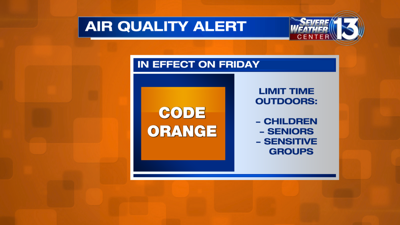
Source alert graphic: FOX13 Memphis and the Shelby County Health Department.
Who Should Take Extra Care?
Children and Teen Athletes
Children may spend long periods running, practicing, or playing outside without recognizing early breathing symptoms. Parents, coaches, schools, and youth leaders should consider reducing strenuous outdoor activity when ozone levels are elevated.
That may mean shortening practices, adding more rest periods, moving activities indoors, or choosing lower-intensity exercises. A child with asthma should follow the family’s existing asthma-care plan and receive guidance from a parent, guardian, or medical professional.
Older Adults
Older adults may be more sensitive to air pollution, especially if they have heart or lung disease. A shorter walk or a less demanding outdoor schedule may be appropriate during the alert.
Family members and caregivers can help by checking in, offering transportation, and making sure indoor spaces are comfortable and well ventilated according to current health guidance.
People with Asthma or Lung Disease
People with asthma, chronic obstructive pulmonary disease, or other respiratory conditions should use caution with prolonged outdoor exertion. If a person has a prescribed action plan or medication routine, that plan should guide their decisions.
This article does not provide individualized medical advice. Anyone with questions about personal risk should contact a qualified health professional.
Outdoor Workers and Active Adults
Construction workers, landscapers, delivery workers, sanitation employees, first responders, runners, cyclists, and other active adults may face extended exposure. Employers and team leaders can help by planning breaks, rotating demanding tasks when possible, and providing indoor or shaded recovery areas.
A Code Orange day is an opportunity to practice wise stewardship of the body and care for the people working around us.
What Should You Do on Friday?
Reduce Strenuous Outdoor Exertion
If you are in a sensitive group, reduce prolonged or heavy exertion outdoors. Consider moving workouts, practices, yardwork, or recreational activities indoors or postponing them until air quality improves.
If outdoor activity cannot be avoided:
Keep the activity shorter and less intense.
Take frequent breaks.
Watch for breathing changes.
Stay aware of updated local air-quality readings.
Tell someone if you begin feeling unwell.
The goal is not fear. The goal is wise preparation.
Choose Indoor Alternatives
Families can replace a high-intensity outdoor activity with reading, indoor games, light stretching, a community-center activity, or another lower-exertion option. Coaches can use the day for film study, strategy, mobility work, or team-building.
Churches and community organizations can also help by opening safe indoor spaces when appropriate and by checking on neighbors who may not have easy access to cool, comfortable environments.
Pay Attention to Symptoms
Air pollution can contribute to symptoms such as:
Coughing
Wheezing
Chest tightness
Throat or lung irritation
Shortness of breath
Symptoms that are new, worsening, severe, or concerning warrant attention and medical advice. In an emergency, call 911 or seek emergency care. Do not rely on a news article to diagnose or treat a health condition.
Help Reduce Ozone Pollution
Residents can also take steps that reduce pollution formation. When practical, consider carpooling, combining errands, limiting unnecessary driving, and postponing the use of gasoline-powered lawn equipment until later in the evening. Local guidance may recommend avoiding refueling or using certain equipment during peak ozone hours.
Small actions can serve the whole community, especially children, older adults, and neighbors with respiratory conditions.
A Bible Study on Wise Neighbor Care
Jesus Christ teaches His followers to look beyond personal convenience. In Philippians 2:4, Paul writes:
“Let each of you look not only to his own interests, but also to the interests of others.”
That verse does not ask us to become anxious about every changing condition. It does call us to notice who may need extra care.
On a Code Orange day, Christian neighbor-love may look very practical:
A parent checking a child’s outdoor practice plan.
A coach choosing rest over unnecessary exertion.
A church member calling an older neighbor.
An employer protecting workers from avoidable exposure.
A friend sharing reliable information without exaggeration.
Memphis has always been a city where people carry one another through difficult conditions. As we have explored in Memphis: We Win Together Through Service and Community, care becomes most visible when neighbors turn concern into action.

Community service is one practical way to reflect Christ’s call to love our neighbors.
Christian Takeaway
A Code Orange alert is a reminder that wisdom and faith work together. We can trust God without ignoring responsible information, and we can take reasonable precautions without spreading fear.
The Christian response is neither careless dismissal nor alarmist reaction. It is calm attentiveness: protect those who are vulnerable, communicate truthfully, and make room for people who need help.
“Care is not panic. Care is love made practical.”
That principle applies in homes, schools, athletic programs, workplaces, churches, and neighborhoods across the Mid-South.
How to Pray/Engage
Pray for children, older adults, people with asthma and lung disease, outdoor workers, athletes, families, coaches, employers, and local health officials.
Then engage in one specific act of care:
Check on a neighbor or relative who may be sensitive to ozone.
Ask a coach or employer what adjustments are planned.
Share the alert with accurate context, not sensational language.
Offer an indoor alternative or a ride to someone who needs one.
Check updated guidance before making outdoor plans.
For a broader reflection on faith, evidence, and wise decision-making, read Can Faith and Reason Coexist?.
Peacemaker’s Perspective
Public-health alerts can sometimes create disagreement. One person may see an alert as unnecessary, while another may be worried because of asthma or a child’s symptoms. A peacemaker does not add ridicule or fear to the conversation.
Instead, ask: What is known? Who may be most affected? What reasonable steps can protect people without creating unnecessary disruption?
We can hold both truths together: Friday’s alert is important, and it is not a reason for panic. Most people do not need to remain indoors all day, but sensitive groups should limit prolonged outdoor exertion and everyone should remain attentive to changing conditions.
That is how peacemaking works in a storm: by replacing confusion with clarity and self-centeredness with care.
Frequently Asked Questions
What does Code Orange mean?
Code Orange means the Air Quality Index is expected to be unhealthy for sensitive groups. For Friday, the concern is elevated ground-level ozone across Shelby County, Crittenden County, and DeSoto County.
Who is most vulnerable?
Active children and adults, older adults, people with asthma, and people with other heart or lung conditions may be more affected. Outdoor workers and athletes may also need to limit prolonged or strenuous exertion because of extended exposure.
Does everyone need to stay indoors?
No. Code Orange does not mean everyone must stay inside. People who are sensitive to air pollution should reduce prolonged or heavy outdoor activity, take breaks, and consider indoor alternatives. Everyone should check current local guidance and pay attention to symptoms.
What symptoms should I watch for?
Watch for coughing, wheezing, chest tightness, throat or lung irritation, and shortness of breath. New, worsening, severe, or concerning symptoms warrant medical advice. In an emergency, call 911 or seek emergency care.
Your Practical Next Step
Before heading outside Friday, check the latest air-quality reading, review your family’s plans, and identify one person who may need extra care. If you are planning a practice, work shift, church event, or outdoor gathering, build in breaks and prepare an indoor or lower-intensity alternative.
For continuing Memphis coverage rooted in truth, faith, and peacemaking, visit www.laynemcdonald.com/news-memphis.
Comments