
Reading the Room: How to Spot a Guarded Heart
- Dr. Layne McDonald
- Jun 9
- 4 min read

You see them walk through the door. Their shoulders are slightly hunched. Eye contact lasts maybe half a second before they glance away. Their smile is polite but doesn't quite reach their eyes.
Reading body language isn't about judging people, it's about understanding them. And when you're on the greeter team, that skill becomes ministry. Because some folks don't need a louder welcome. They need a safer one.
A guarded heart shows up differently than you might expect. These aren't always the quiet people in the corner. Sometimes the most guarded person in the room is the one who looks like they have everything figured out.
What a Guarded Heart Actually Looks Like
Someone with a guarded heart has built protective walls around their emotions. Past hurts taught them that vulnerability equals danger. So they take a cautious approach to relationships, even in spaces that feel warm and inviting.
Here's what that looks like in real time:
They won't trust quickly. Even if they seem confident or sociable, they're watching. Testing. Observing whether this place is truly safe or just another spot where they'll get hurt again.
They appear to have it together. Organized. Put-together. Calm. But underneath that polished exterior is someone wondering if they can really trust you: or anyone.
They pull back when things get real. Just when you think a connection is forming, they create distance. It's not personal. Intimacy triggers fear, even when they genuinely care.

They keep details vague. Ask about their week, and you'll get surface answers. Future plans? "Not sure yet." Personal struggles? "I'm fine." Sharing feels risky because past experiences taught them that openness leads to pain.
Their emotions can be intense when they do surface. Because guarded people suppress feelings rather than processing them regularly, when emotions finally break through, they can feel disproportionate to the moment.
Reading Body Language: The Subtle Signs
Body language tells the story words won't. When you're greeting someone with a guarded heart, pay attention to:
Closed-off posture. Arms crossed. Body angled away from you. Feet pointed toward the exit. These aren't signs of rudeness: they're signs of protection.
Minimal eye contact. They'll glance at you briefly, then look away. Sustained eye contact feels too vulnerable, too exposing.
Physical distance. They'll maintain extra space between you and them. Even a friendly handshake might feel like too much too soon.
Tight or forced smiles. The smile is there because they know it's expected, but it doesn't carry warmth. It's a social courtesy, not an expression of comfort.
Quick exits. They're scanning for the quickest way out. Not because they don't want to be there, but because they need to know they can leave if things feel unsafe.

Why This Matters for First Impressions
First impressions set the tone for everything that follows. And for someone with a guarded heart, that first interaction determines whether they'll come back.
You're not just welcoming people to a building. You're creating a safe space where walls can start to come down. Where trust can begin to rebuild. Where healing can happen.
The goal isn't to force connection. It's to offer it gently. To read the room and adjust your approach based on what you're seeing.
Match their energy. If they're quiet, don't overwhelm them with enthusiasm. If they're keeping distance, respect it. Mirror their pace so they don't feel pressured.
Observe their behavior over time. Consistency matters more than words. Show up the same way every week. Be reliable. Prove through your actions that this is a trustworthy place.
Give them space to be guarded. Don't take it personally when they don't open up right away. Some hearts need time. And that's okay.
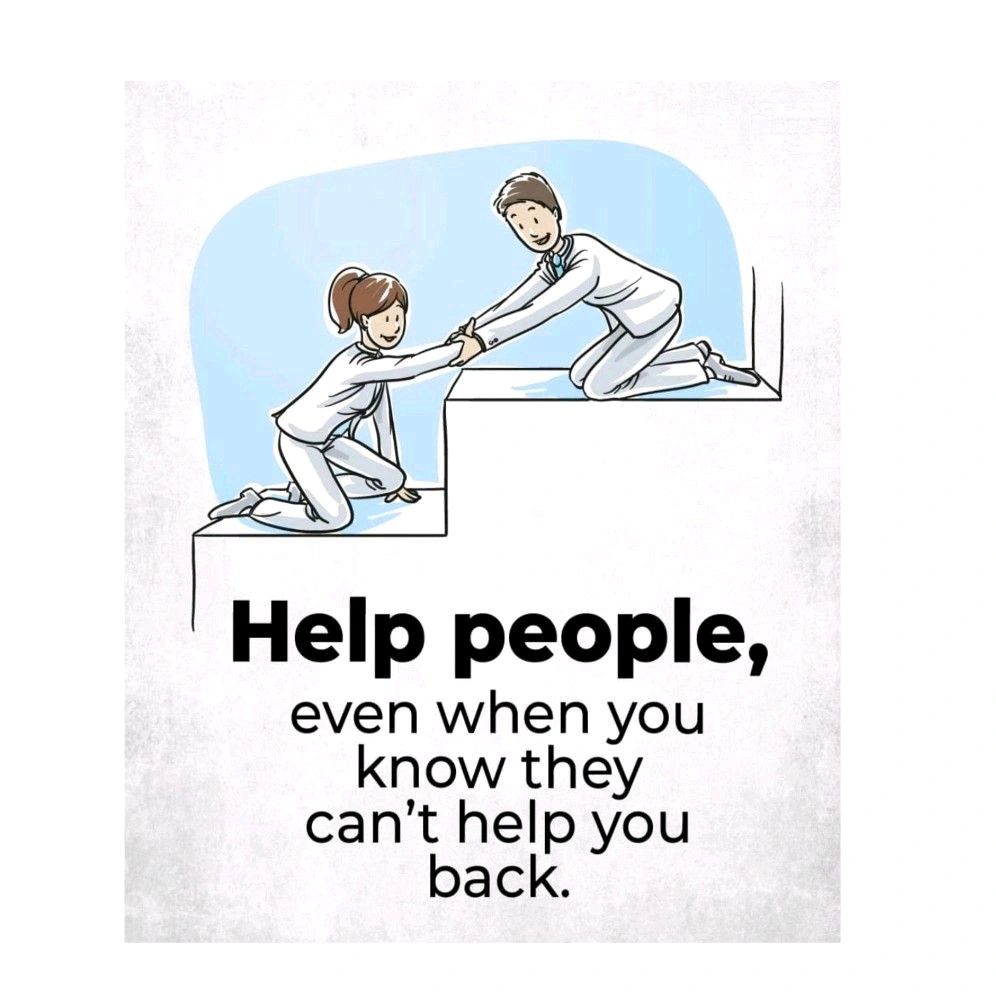
Practical Steps for Creating Safety
Start small. A simple "Good to see you" is less pressure than "How are you really doing?" Let them control the depth of the conversation.
Be present without being invasive. Show genuine interest, but don't push for details they're not ready to share.
Remember names and faces. Nothing communicates value like being remembered. It says, "You matter here."
Follow through on small commitments. If you say you'll pray for them, do it. If you mention grabbing coffee, follow up. Guarded hearts are watching for patterns of trustworthiness.
Create predictable routines. Consistency builds trust. When they know what to expect, they can relax a little.
Don't rush the process. Trust isn't built in a day. Or a week. Or even a month. Be patient. Keep showing up. Keep being kind.

The Spiritual Side of Reading the Room
Jesus was a master at reading the room. He knew when to speak and when to stay silent. When to challenge and when to comfort. When to push and when to wait.
He met the Samaritan woman at the well with gentleness. He gave Zacchaeus dignity by inviting Himself to dinner. He sat with the broken, the guarded, the hurting: and He made them feel seen.
That's our job too. Not to fix people. Not to force breakthrough moments. But to create space where the Holy Spirit can work.
When you learn to read body language and recognize a guarded heart, you're partnering with God in the healing process. You're saying, "This is a safe place. You can take your time here."
And sometimes, that's the most powerful ministry there is.
Moving Forward
Reading the room isn't a skill you master overnight. It takes practice. Observation. Humility. And a whole lot of grace: for yourself and for others.
But every time you recognize a guarded heart and respond with patience instead of pressure, you're reflecting the heart of God. You're showing people that church isn't just a place where you have to have it all together. It's a place where you can come broken and be loved anyway.
So keep watching. Keep learning. Keep creating safe spaces. Because somewhere in your lobby right now is someone with walls they desperately want to come down: but they need to know it's safe first.
And you might be the one who helps them take that first step.
Want to grow in your ability to read people and create connection? Visit laynemcdonald.com for coaching, mentorship, and practical resources that will help you become the kind of leader people feel safe around. Every visit helps raise funds through Google AdSense for families who have lost children: at no cost to you. And if you're looking for a spiritual home where you can stay grounded, check out Boundless Online Church: watch teachings, join family groups, and grow in faith with or without signing up.
Comments