
The 20-Minute Creative Reset for ADHD Minds
- Dr. Layne McDonald
- Jun 9
- 4 min read

Your brain feels like 47 browser tabs, and none of them are loading.
You stare at the blank page, the empty canvas, the unfinished project, and nothing happens. Not because you lack talent. Not because God hasn't called you. But because your mind is stuck in what I call "creative fog."
If you've got an ADHD brain (diagnosed or not), you know exactly what I'm talking about. That paralysis. That overwhelming sense of "I should be creating, but I literally can't focus on anything."
Here's what I've learned through years of coaching creatives, pastors, and leaders: You're not broken. You're overloaded. And today, I'm handing you a simple reset system that takes 20 minutes and gets your creative momentum back.
What's Actually Happening in the Fog
Before we fix it, we need to name it.
ADHD fog shows up as:
Task switching (starting five things, finishing none)
Emotional shutdown (avoiding the work because it feels too big)
Perfection paralysis (if it can't be perfect, why start?)
Physical restlessness (you can't sit still, but you can't move forward either)
This isn't laziness. It's your nervous system telling you it's overloaded. Your brain has too many inputs, unclear priorities, and no safe place to land.
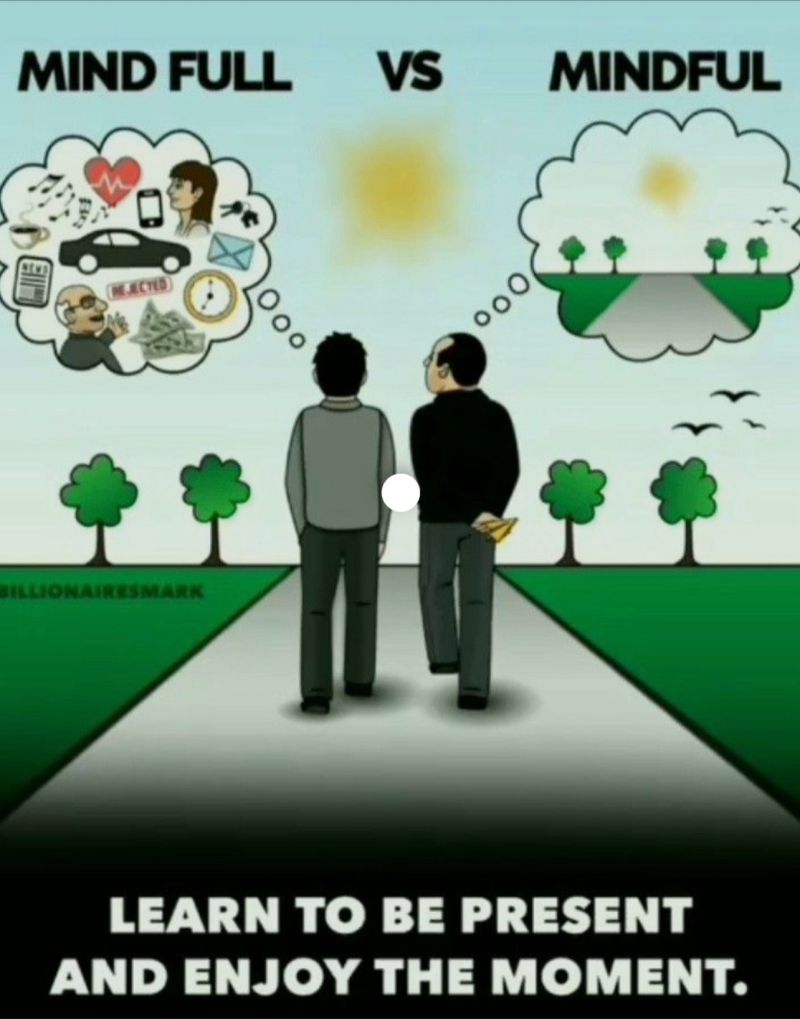
The good news? Fog is a signal, not a sentence. It means you need structure, not more willpower.
The Clarity Before Creativity Rule
Most people think they need more motivation to create. They don't.
They need fewer options.
Creativity doesn't thrive in chaos. It thrives inside constraints. When you narrow your focus to one clear next step, your brain can finally breathe.
So before you try to write the book, design the course, or finish the song, pick ONE project. Just one. The one that matters most this week.
Write it down. Say it out loud. Make it real.
Now let's reset your system so you can actually move on it.
The 20-Minute Fog-Lifting Reset (Step by Step)
This protocol works because it honors how your brain actually functions. It's not about grinding harder. It's about creating the conditions for flow.
Step 1: Brain Dump (2 minutes)
Grab a piece of paper or open a notes app. Set a timer for two minutes and write down everything swirling in your head. Tasks, worries, ideas, emails you forgot to send: everything.
Don't organize. Don't edit. Just get it out of your brain and onto the page.
This step alone reduces mental load by 30%. Your brain stops holding it all and starts processing it.

Step 2: Circle the Needle Mover (3 minutes)
Look at your list. Ask yourself: Which one thing, if I moved it forward today, would make everything else easier or less urgent?
Circle it. That's your focus.
Step 3: Define the First Ugly Step (5 minutes)
Here's where most people fail. They pick a big goal and then freeze because it's too vague.
Instead, define the smallest, ugliest, most embarrassingly simple first step.
Not "write the chapter." But "open the document and write one bad sentence."
Not "finish the design." But "pick three colors and put them in a palette."
The step should feel so small it's almost silly. That's the point. Your brain will let you start something that feels safe.
Step 4: Sprint (8 minutes)
Set a timer for eight minutes. Put your phone in another room. Close all other tabs.
Do the one ugly step. Nothing else.
You're not trying to finish the project. You're trying to prove to your brain that forward motion is possible.
Step 5: Reward and Record (2 minutes)
When the timer goes off, stop. Celebrate. Say it out loud: "I did the thing."
Then write down what you accomplished. Even if it's just one sentence or one sketch, record it.
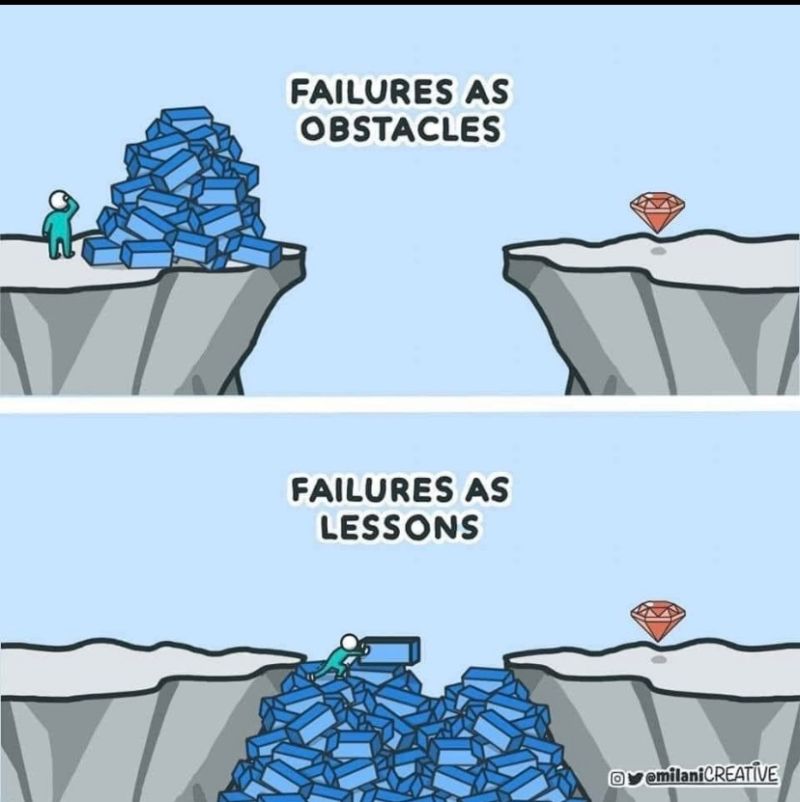
Why? Because your ADHD brain needs visible proof of progress to keep going. Momentum builds on wins, not intentions.
Build a Rhythm That Protects Your Focus
The reset works. But if you want sustained creative momentum, you need to build what I call a "creative runway": a consistent rhythm that removes friction.
Here's the framework:
Same time: Pick a specific window each day (even 20 minutes) for creative work.
Same cue: Use a ritual to signal your brain it's time to create (coffee, worship music, lighting a candle).
Same environment: Work in the same spot when possible. Your brain learns faster with consistent context.
Friction kills creativity. Rhythm protects it.
Practical tools that help:
Noise-canceling headphones or instrumental worship playlists
A visual timer (seeing time left reduces anxiety)
Single-tab writing (one document open, nothing else)
A task list capped at three items max
The Spiritual Anchor: God Isn't Disappointed in Your Wiring
Here's the truth your creative soul needs to hear: God isn't disappointed in how your brain works.
You're not too scattered. You're not too much. You're not "behind" because you process differently.
Scripture reminds us in 1 Corinthians 14:40 that God values order: "But all things should be done decently and in order." This isn't about perfection. It's about rhythm. It's about creating space where the Holy Spirit can move through your gifts without chaos drowning out the signal.
Your ADHD isn't a flaw in the design. It's part of how God wired you. And when you give it structure, it becomes a superpower.
Before you start your reset today, pray this simple prayer:
"Lord, help me do the next right thing. Not everything. Just the next thing."
Your Challenge: Run the Reset Today
You don't need to overhaul your whole life today. You just need to start.
Run the 20-minute reset. Right now, if possible. Pick one project. Define one ugly step. Set the timer. Move.
Tomorrow, do it again. And the next day. And the next.
That's how momentum builds. Not in giant leaps. In consistent, small, faithful steps.
What's Your One Thing?
I'd love to hear from you. What's the ONE creative project you're moving forward this week? Drop a comment or send me a message: I read every one.
And if you want ongoing tools, weekly encouragement, and practical systems for creative focus, faith-driven leadership, and sustainable momentum, join my Boundless Weekly email list. Every week, I share what's working, what I'm learning, and the next steps that'll keep you moving.
Start here: www.laynemcdonald.com
You've got this. Your calling isn't on pause. It's just waiting for you to clear the fog and take the next step.
Let's build something beautiful together.
( Dr. Layne McDonald)
Comments