
The Art of Neighboring (Without Being the Weird One)
- Dr. Layne McDonald
- Jun 9
- 5 min read

You know that moment when you're carrying seventeen grocery bags into your house and your neighbor waves at you from across the yard? You do the awkward half-wave-half-nod thing because both hands are occupied, a gallon of milk is slipping, and you're pretty sure you just dropped your keys somewhere in the driveway.
Yeah. We've all been there.
Here's the thing: most of us want to connect with our neighbors. We really do. But somewhere between wanting to be friendly and actually being friendly, we get stuck in this weird loop of driveway waves and forced small talk about the weather. And honestly? We're terrified of being that person who tries too hard, shows up uninvited, or becomes the neighborhood weirdo.
But what if I told you that loving your neighbor doesn't require you to be extroverted, overly chatty, or armed with a plate of Pinterest-perfect cookies? What if neighboring well is actually simpler, and more powerful, than you think?
Jesus Wasn't Kidding About This Neighbor Thing
When Jesus said, "Love your neighbor as yourself" in Matthew 22:39, He wasn't suggesting a nice-to-have bonus feature for advanced Christians. He called it the second greatest commandment. Right after loving God with everything you've got.
That's huge.
Your neighbors aren't just the people who happen to live near you. They're divine assignments. They're part of your mission field. And get this, you don't need a seminary degree or a missions trip budget to impact them. You just need to show up, be real, and let God use your everyday life as a light.
But here's where most of us freeze: we think we need to have all the answers, be perfectly put together, or have some grand evangelism strategy. Spoiler alert: you don't. The best witness you can be is an authentic one who genuinely cares about the people around you.

The Block Map Method (Or: Who Even Lives There?)
Real talk, how many of your neighbors can you name right now? If you're like most people, you might know the person directly next door, maybe the family across the street, and that guy three houses down who mows his lawn at 7 AM on Saturdays (we all know that guy).
Here's a practical first step: create a simple block map. Grab a piece of paper and sketch out your street or apartment building. Fill in names as you know them. Leave blanks where you don't.
This isn't stalker behavior, it's intentional awareness. You can't love people you don't know exist. And you can't pray for people whose names you don't remember.
Start tracking small details: Do they have kids? Pets? What kind of work schedule do they keep? These aren't nosy questions, they're connection points. When you know that Sarah next door has been dealing with a sick parent, you can drop off a meal or send a text offering to pray. When you know Mike across the street just lost his job, you can recommend a contact or simply check in.
This is neighboring with purpose.
Small Gestures Beat Grand Schemes Every Time
You don't need to host a block party tomorrow (though honestly, those are awesome). Start small. Like, really small.
Wave. Actually wave. Not the half-hearted lift-one-finger-off-the-steering-wheel wave. A real, "Hey, I see you and I'm glad you exist" wave. It sounds ridiculously simple, but it breaks ice like nothing else.
Learn names and use them. Dale Carnegie was onto something when he said a person's name is the sweetest sound to them. Use it. "Hey, Jennifer!" is infinitely warmer than "Hey, you."
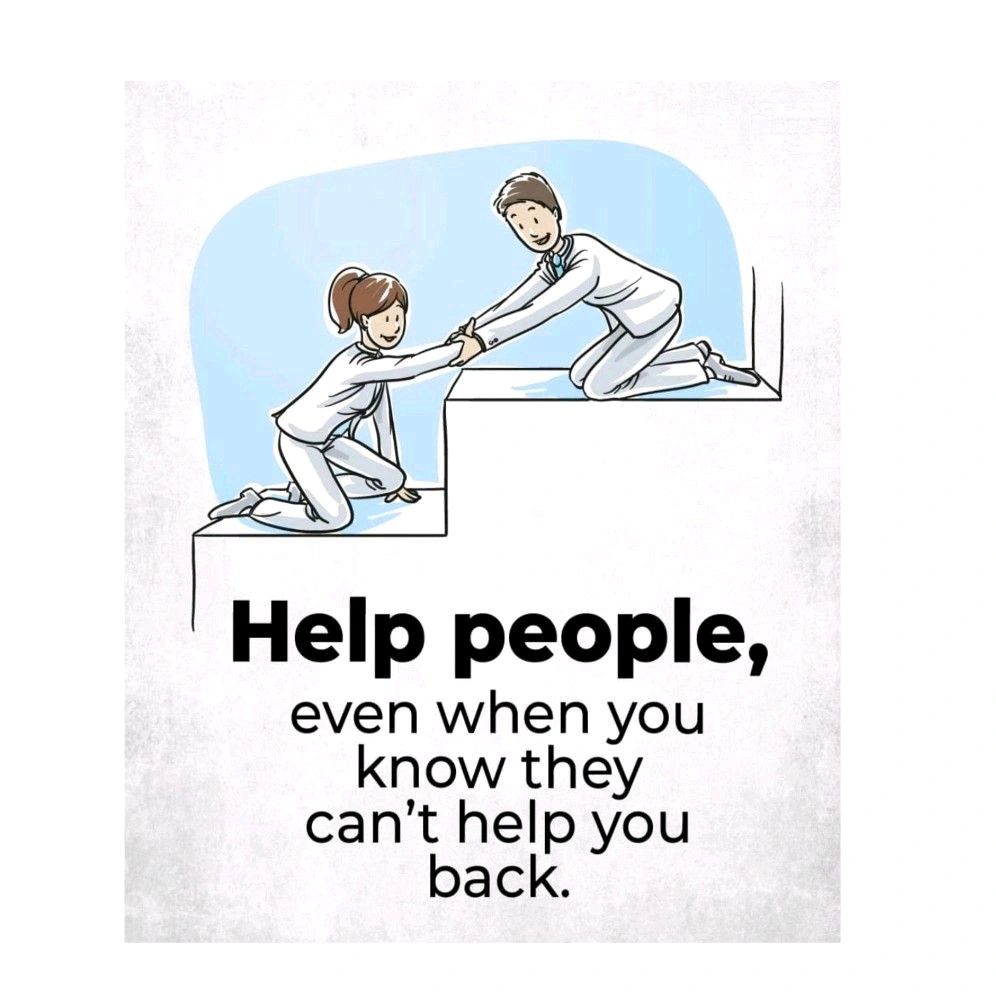
Offer help without strings. Notice someone struggling with bags? Offer to carry them. See someone outside with a flat tire? Grab your tools. Do it because Jesus would, not because you're trying to earn evangelism points. People can smell a hidden agenda from a mile away, and it's a turnoff every time.
The Reciprocity Rhythm
Here's where it gets interesting: healthy neighboring isn't just about giving. It's also about receiving.
If you're constantly the helper but never the one asking for help, you're actually creating an imbalanced relationship. You're positioning yourself as the savior, and that's not a sustainable, or humble, place to be.
Ask to borrow an egg. Request advice on landscaping. Invite them to show you how they grill the perfect steak. When you let people help you, you're giving them the gift of being needed. You're building mutual respect and real friendship.
This is where connection moves from transactional to transformational.
Know Your Boundaries (So You Don't Lose Your Mind)
Let's get practical for a second: you're responsible to your neighbors, not for them.
You can care deeply without solving every problem. You can be available without being on call 24/7. You can love people well while still protecting your family's rhythms, your personal time, and your sanity.
Jesus withdrew to pray. He said no to demands. He didn't heal every person in every village. He modeled boundaries without apology.
If your neighbor asks you to babysit for the fourth time this week and you're exhausted, you can kindly decline. If someone regularly dumps emotional baggage on you without taking responsibility, you can compassionately redirect them to appropriate help. Love doesn't mean enabling dysfunction.
Healthy boundaries actually make you more effective at loving people, because you're operating from a full tank instead of running on fumes.
When the Weird Becomes Wonderful
Here's the beautiful irony: when you stop trying so hard to not be weird and start focusing on being genuinely kind, present, and available, something shifts. The awkwardness fades. Conversations flow. Trust builds.
And eventually, when life gets hard for your neighbors: because it will: you'll be the person they think of. Not because you preached at them or invited them to church seventeen times (though there's a time for that too), but because you showed up. You cared. You loved them like Jesus loves them.
That's when doors open. That's when questions about your faith come naturally. That's when your life becomes a living sermon that points straight to the heart of God.

Your Next Step
So here's your reflection question: Who is one neighbor you've been meaning to connect with but haven't yet?
And here's your action step: Within the next 48 hours, take one small, specific action toward that person. Text them. Wave when you see them outside. Drop off some cookies (homemade or store-bought: Jesus doesn't care). Offer to help with something. Just do one thing that moves you from intention to action.
Neighboring isn't complicated. It's just intentional. And when you do it with the love of Christ fueling you, even the smallest gesture becomes an eternal investment.
Ready to dive deeper into living out your faith in practical, everyday ways? Head over to www.laynemcdonald.com for coaching, resources, and tools that will help you grow as a leader, neighbor, and world-changer. Because the Kingdom of God isn't just built in church buildings: it's built in driveways, front porches, and over backyard fences.
Now go be the neighbor God created you to be. You've got this.
Comments