
The Art of Sabbath: Why Creative Rest is Not Optional
- Dr. Layne McDonald
- Feb 4
- 5 min read

Let's be honest: when was the last time you truly rested? Not scrolled-through-Netflix-while-thinking-about-tomorrow's-to-do-list rest, but the kind of rest that actually fills you back up. If you're struggling to answer that, you're not alone. We've built a world that treats rest like a luxury instead of what it actually is: a sacred necessity.
The Sabbath isn't just some ancient religious rule your grandmother followed. It's a radical reimagining of how we're meant to live, and it might be the most counter-cultural practice you can adopt in 2026.
What Sabbath Actually Means (Hint: It's Not Just Netflix)
Here's where most of us get it wrong. We think Sabbath means "stop working." But according to theological scholarship, true Sabbath rest means achieving a state of tranquility, serenity, peace, and repose. That's a far cry from binge-watching another season while anxiety gnaws at the back of your mind.
The difference is crucial. Sabbath isn't passive: it's an active creation of meaning. It's not about withdrawing from labor; it's about intentionally creating space where you stop acting on the world so that both you and the world can rest.
Think about that for a second. When you're constantly producing, consuming, optimizing, and hustling, you're never giving yourself or anyone around you permission to just be. The Sabbath flips that script entirely.
Why Creatives Burn Out Without It
If you're a creator, artist, writer, or anyone who works with your imagination, you've probably experienced this: the well runs dry. Your ideas feel stale. Everything you make feels forced. You're technically working, but nothing good is happening.
That's not a creativity problem: it's a rest problem.
Creative work requires a different kind of energy than other types of labor. You're not just executing tasks; you're pulling from something deeper. And that deeper place needs time to refill. Without genuine Sabbath rest, you're essentially trying to draw water from an empty well and wondering why you're only getting dust.
The speed at which we live our lives today is fundamentally incompatible with creative depth. Judith Shulevitz's research on Sabbath practice reveals something powerful: the Sabbath represents a radical critique of modern pace, the ways we spend our time, and how we think about rest itself. It creates an entirely different conception of time, morality, rest, and community: essentially proposing an alternative world.
And here's the kicker: that alternative world is exactly what your creativity needs to thrive.
The Spiritual Dimension You Can't Ignore
Even if you consider yourself spiritual-but-not-religious, there's a dimension to Sabbath practice that transcends specific faith traditions. The practice exists in various forms across different cultures and religions for a reason: it's tapping into something fundamental about human nature.
From a Christian perspective, Sabbath is woven into the fabric of creation itself. God rested on the seventh day not because He was tired, but to model something essential for us. Rest isn't weak. Rest isn't optional. Rest is holy.
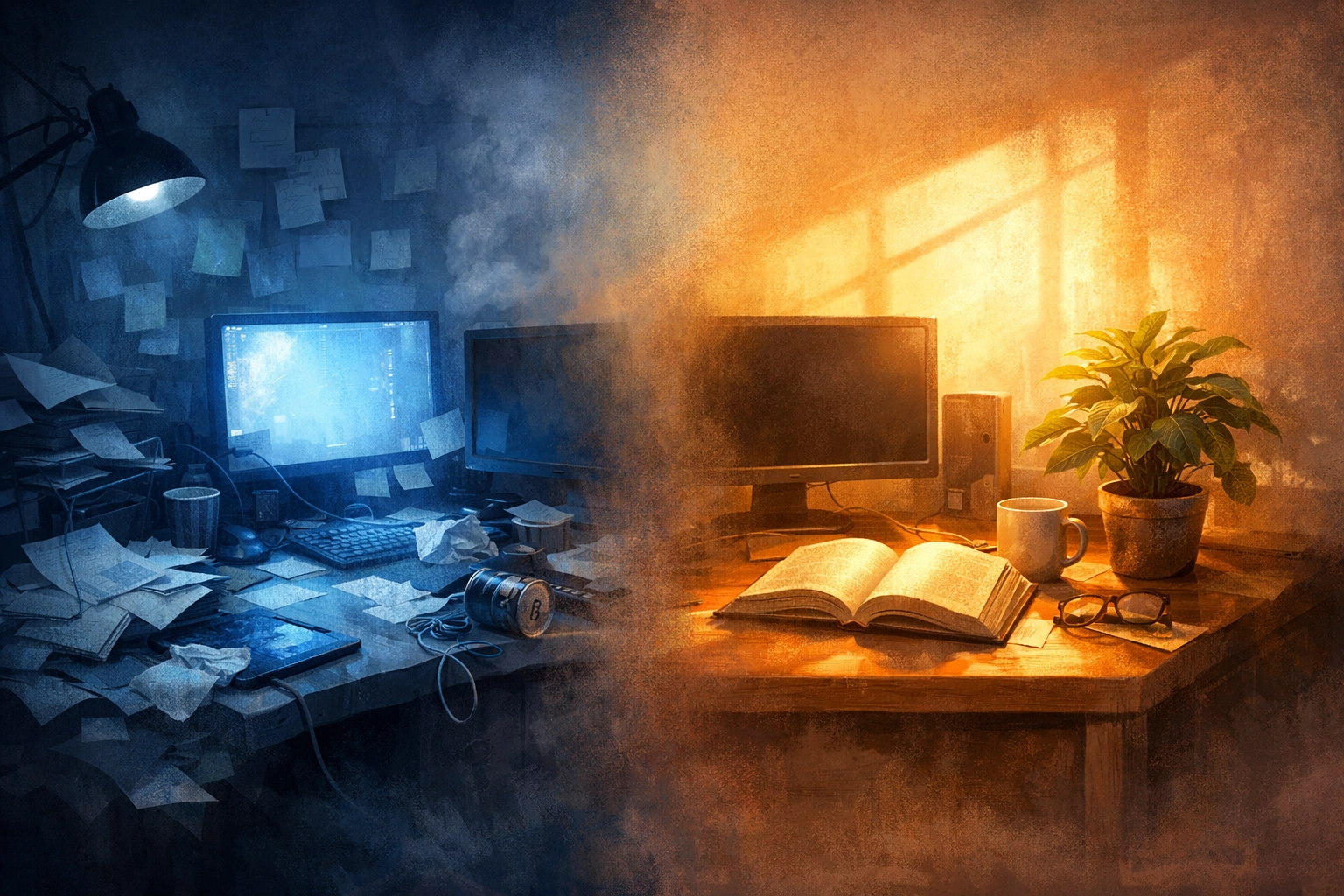
When you practice Sabbath, you're declaring that your worth isn't tied to your productivity. You're saying that you're valuable simply because you exist, not because of what you produce. In a culture that constantly measures your worth by your output, that's a revolutionary act.
What Makes This Urgent Right Now
We're living in an attention economy where every app, platform, and algorithm is designed to keep you engaged, producing, and consuming. The default setting of modern life is acceleration. More content. More hustle. More optimization. More, more, more.
The Sabbath now feels radically ancient and urgently needed precisely because it runs counter to everything our culture pushes. It's not about productivity hacks or efficiency: it's about recognizing that constant acceleration is unsustainable and ultimately destructive.
Without designated time for creative rest and reflection, you lose the capacity to examine your life and choices intentionally. You surrender to the default pace, letting the culture shape you instead of living from a place of intention and purpose.
How to Practice Sabbath as a Creative
So how do you actually do this? Here are some practical starting points:
Pick a consistent time block. Traditional Sabbath runs from sundown Friday to sundown Saturday, but you can adapt this to whatever works for your life. The key is consistency: same time, every week, no negotiation.
Define your boundaries clearly. What does rest mean for you? For some, it means no screens. For others, it means no work email or project planning. Get specific about what you're resting from.
Replace hustle with presence. Don't just stop working: actively fill that time with things that restore you. Long walks. Quality time with people you love. Prayer or meditation. Reading for pleasure. Cooking a real meal. Whatever fills your tank.
Silence the guilt. This is the hardest part. You'll feel guilty for "wasting" time. You'll think about all the things you "should" be doing. That guilt is just your hustle-culture programming talking. Sabbath rest isn't laziness: it's obedience to how you were designed.
Make it sacred. Even if you're not religious, treat this time as set apart. Light a candle. Say a prayer. Create some kind of ritual that marks the beginning and end of your Sabbath. This helps your brain shift gears.
The Ripple Effects You Won't Expect
Here's what happens when you commit to regular Sabbath practice: your Monday mornings feel different. You approach your creative work with fresh eyes. Ideas flow more naturally. You're less reactive and more intentional.
But the benefits go beyond productivity (which, ironically, isn't even the point). You become more present with people. You notice things you've been too rushed to see. You reconnect with why you create in the first place, not just what you're producing.
You also give the people around you permission to rest. When they see you protecting your Sabbath time, it challenges their assumptions about constant availability and hustle. You become a living example that another way is possible.
The Bottom Line
Creative rest isn't a luxury, a productivity hack, or something you'll get to "when things slow down." Things won't slow down. The culture isn't going to suddenly shift toward valuing rest. You have to create this for yourself.
The Sabbath is your declaration that you're more than your output, your worth isn't measured in productivity, and there's a different way to be human than constant acceleration toward burnout.
Start with one day. Protect it fiercely. Fill it intentionally. Watch what happens not just to your creativity, but to your soul.
Ready to explore more about building a faith-centered creative life?Check out our resources on sustainable creativity and spiritual growth where we dive deeper into practices that actually work for modern believers trying to create meaningful work without burning out.
Comments