
The Connection Architect: Building a Church People Don't Want to Leave
- Dr. Layne McDonald
- Jun 9
- 5 min read

You know that feeling when you walk into your favorite coffee shop in Memphis and the barista already knows your order? That's the kind of belonging we're after in our churches. Not the programmatic, name-tag-on-Sunday kind of connection, but the real deal. The kind where people feel seen, known, and genuinely missed when they're gone.
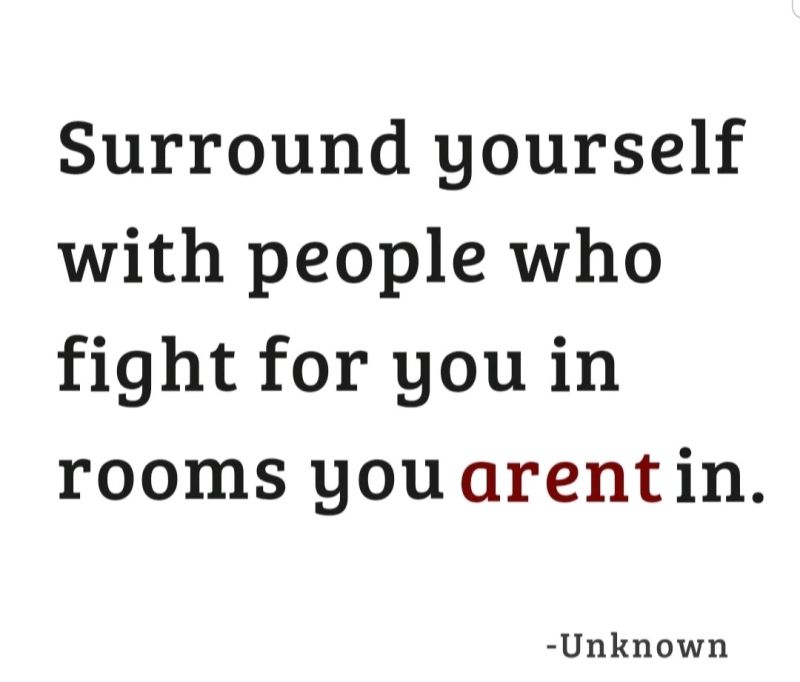
Here's the truth: People don't leave churches because the worship band isn't tight enough or the coffee isn't fair-trade. They leave because they never felt like they belonged in the first place.
As church leaders, we're not just pastors or volunteers. We're Connection Architects, designers of spaces (both physical and relational) where belonging isn't an accident but an intention.
What Does a Connection Architect Actually Do?
Think about an architect for a moment. They don't just throw up walls and hope for the best. They study how people move through spaces, where they gather naturally, what makes them feel safe or exposed. They design with purpose.
That's your job too.
A Connection Architect looks at their church and asks:
Where are the natural gathering points?
Who's being overlooked in the lobby shuffle?
What systems are we using that accidentally push people to the margins?
How can we create "sticky" moments that help people remember they matter here?
This isn't about manufacturing fake friendliness or forcing awkward icebreakers. It's about creating an ecosystem where authentic relationships can actually grow.
The Sunday Morning Disconnect
Most churches accidentally design for disconnection. We optimize for getting people in and out efficiently. Park, sit, sing, listen, leave. Boom.
But here's what neuroscience tells us: The human brain is wired for connection. We're social creatures down to our neurons. When we experience genuine belonging, our brains release oxytocin, the bonding hormone. We literally feel good when we're connected.
Yet we wonder why people ghost after three Sundays.
They never got past surface-level conversations. They never found their people. They never experienced what it feels like to be truly seen in your community.
Building Blocks of Belonging
So how do you build a church people don't want to leave? Here are some foundational principles that work whether you're leading a megachurch or a home group:
1. Create Multiple Entry Points
Not everyone connects the same way. Some people bond over serving together. Others need a small group where they can ask questions without judgment. Some folks connect through a shared hobby, kids' sports, or even a shared struggle.
Down here in Memphis, we get this. You might meet your best friend at a Grizzlies game, at a BBQ joint arguing about dry rub versus wet, or at a community garden. Church should offer the same variety of on-ramps.
2. Train Greeters to Be Spotters
Your greeters shouldn't just hand out bulletins. They should be trained to spot the "alone person", the one standing by themselves scanning the room for a familiar face. That's your moment. A simple, "Hey, I'm grabbing coffee, want to join me?" can change someone's entire church experience.
3. Normalize Vulnerability From the Front
When leaders share real struggles (not just the sanitized, three-years-ago-but-I'm-fine-now kind), it gives everyone else permission to be human. Connection grows in the soil of authenticity.
The Breath Section
Okay, pause with me for a second. Put your phone face-down. Take a slow breath in through your nose, count to four. Hold it for four. Now breathe out through your mouth for six counts.
Do that two more times.
Why? Because your brain just shifted. When you intentionally slow your breathing, you activate your parasympathetic nervous system. You literally move from a stressed "doing" mode to a more open "being" mode.
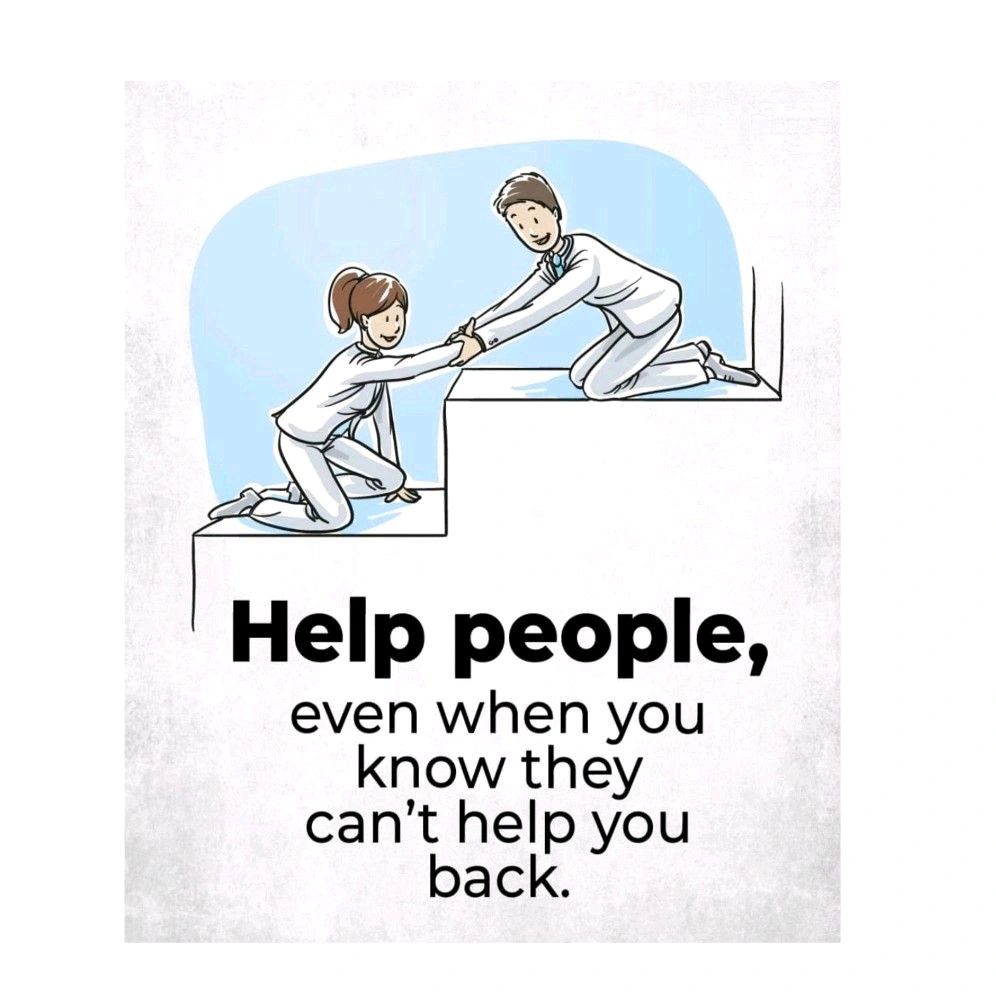
This is the headspace where real connection happens, not when we're frantically running programs, but when we're present enough to notice the person who needs to be noticed.
God designed our brains to calm down and tune in. Use that design to your advantage as you lead.
The Follow-Up That Matters
Here's where most churches drop the ball. Someone visits on Sunday, fills out a connection card, and then... crickets. Or worse, they get added to seventeen email lists.
Connection Architects think differently about follow-up:
Within 24 Hours: A personal text or call (not an email blast) from someone who actually met them. "Hey Sarah, it was great meeting you yesterday! I meant what I said about grabbing coffee. You free this week?"
Within 7 Days: An invitation to something low-pressure. Not "join our membership class," but "a few of us are meeting at [local Memphis spot] for trivia night. Want to come?"
Within 30 Days: Check in. Not to recruit them for a team (yet), but to genuinely see how they're doing. "How's the job search going? How are your kids adjusting to the new school?"
People stay where they're known and valued, not where they're just another name on a database.
Design Spaces for Lingering
Walk through your church building with fresh eyes. After the service ends, is there anywhere comfortable for people to hang out? Or does the space scream "please leave now so we can set up for the next service"?
Some of the best connections happen in the margins, the hallway conversation that goes deep, the parking lot prayer circle that forms naturally, the coffee station where people don't feel rushed.
Create spaces that invite people to stay. Comfortable seating. Good lighting. Maybe even some board games or conversation starters on tables.
The Ministry of Remembering
You want to know one of the most powerful connection tools? Remembering details about people's lives and following up later.
"Hey Marcus, how did your daughter's soccer tournament go?"
"Jennifer, you mentioned your mom was having surgery: how's she doing?"
This is pastoral care 101, but it's also neuroscience-backed relationship building. When someone realizes you remembered and cared enough to ask, their brain registers: "I matter here. I'm not invisible."
Keep notes if you need to. There's no shame in that. The Connection Architect uses whatever tools help them design better experiences for people.
When Connection Becomes Culture
Here's what happens when you consistently architect for connection: It becomes self-sustaining. People who've experienced genuine belonging start creating it for others. Your most connected members become connection ambassadors.
Suddenly you've got folks texting each other throughout the week, organizing spontaneous hangouts, showing up when someone's in crisis. You've got people saying "our church" with actual pride and ownership.
That's not built through programs. It's built through intentional, repeated, human-to-human connection.
Your Next Step
Being a Connection Architect isn't about having all the answers or implementing fifteen new initiatives tomorrow. It starts with asking better questions:
Who sat alone last Sunday?
What barriers to connection exist in our current systems?
How can I model vulnerability and authentic relationship from where I lead?
What's one small change we could make this week to help someone feel more known?
The architecture of belonging is built one brick, one conversation, one remembered name at a time.
This week, pick one person who's been coming for a few months but still seems to be on the outside. Architect a moment of connection for them. Introduce them to someone. Invite them to coffee. Remember their story.
Watch what happens when people realize they're not just attending your church: they're home.
Ready to go deeper? If you're serious about building a culture of connection in your ministry, I'd love to help you architect spaces where people truly belong. Head over to www.laynemcdonald.com for coaching, resources, and practical tools that will transform how you do ministry.
Plus, every visit helps fund our mission to support families who've lost children: at zero cost to you. Come grow with us, and let's build churches people never want to leave.
And if you need a spiritual home where you can stay grounded, explore teachings, and connect with others authentically, check out www.boundlessonlinechurch.org. Because belonging matters: online and in real life.
Comments