
The Emotional Intelligence of a Shepherd
- Dr. Layne McDonald
- Jun 9
- 5 min read

The best leaders don't just manage tasks: they read the room. They sense when someone's struggling before a word is spoken. They adjust their approach based on the emotional temperature around them. This isn't manipulation. It's shepherding.
German Shepherds rank among the most emotionally intelligent dog breeds on the planet. They can read your body language, sense your mood shifts, and respond with uncanny accuracy. Many owners report their dog sitting quietly beside them during hard moments, offering comfort without being asked. These animals weren't trained to do this: they're wired for it.
Spiritual shepherds need the same wiring.
Why Emotional Intelligence Matters in Ministry

If you're leading people: whether in a church, a small group, a coaching practice, or your own family: you're operating as a shepherd. And shepherds who lack emotional intelligence create chaos, not community.
Emotional intelligence isn't about being "nice." It's about being aware. It's the ability to:
Perceive the emotional state of those around you
Interpret what's really going on beneath the surface
Respond in a way that meets people where they are
You can preach the most biblically sound sermon in the world, but if you can't read the room, you'll miss the person in the back row who's one bad day away from walking out for good. You can offer brilliant advice, but if you can't sense someone's not ready to hear it, your words will land like stones.
Jesus modeled this perfectly. He didn't treat everyone the same. He adjusted His tone, His timing, and His approach based on who He was talking to. With the Pharisees, He was direct. With the woman at the well, He was patient. With Peter, He was firm but restorative. That's emotional intelligence in action.
Reading the Flock: The First Step
German Shepherds excel because they're constantly observing. They notice the subtle shifts: a change in posture, a hesitation in your step, a tightness in your voice. They're not guessing. They're reading.
As a spiritual leader, you need to develop the same skill. Most people won't tell you they're struggling. They'll show you. And if you're not watching, you'll miss it.
Here's what to look for:
Body language: Are they leaning in or pulling back? Open posture or crossed arms?
Tone of voice: Is there energy in their words, or are they flat and distant?
Consistency: Have they been showing up less? Engaging less? Smiling less?
Triggers: Do certain topics cause them to shut down or deflect?
You don't need a psychology degree to notice these things. You just need to pay attention. Most leaders are so focused on their next point that they forget to look at the people in front of them.

Scripture calls us to "rejoice with those who rejoice, weep with those who weep" (Romans 12:15). You can't do that if you're emotionally disconnected. You can't shepherd people you don't see.
Responding With Wisdom, Not Reaction
Emotional intelligence isn't just about reading people: it's about responding well. And that's where most leaders get stuck.
Here's the trap: You sense someone's hurting, so you rush in with answers. You feel tension in the room, so you try to fix it immediately. You see someone pulling away, so you push harder to reconnect.
But emotional intelligence requires restraint. Sometimes the most powerful response is sitting quietly beside someone, just like that German Shepherd. Sometimes it's asking a question instead of offering advice. Sometimes it's giving space instead of demanding engagement.
Jesus knew when to speak and when to stay silent. He knew when to challenge and when to comfort. He never responded the same way twice because He wasn't following a script: He was responding to the person in front of Him.
That's the difference between a reactive leader and an emotionally intelligent one. Reactive leaders respond to their own discomfort. Emotionally intelligent leaders respond to the needs of the person they're serving.
Building Trust Through Emotional Consistency

German Shepherds thrive in stable, predictable environments. When they know what to expect, they relax. When the environment is chaotic, they become anxious and hyper-vigilant. People are no different.
If you want to lead with emotional intelligence, you need to be emotionally consistent. That doesn't mean you're always happy. It means you're steady. People need to know what they're getting when they come to you.
Inconsistent leaders create insecure teams. One day you're warm and approachable. The next day you're cold and distant. One conversation you're patient. The next you're irritable. People start walking on eggshells, and trust evaporates.
Proverbs 22:29 says, "Do you see a man skillful in his work? He will stand before kings." Skill isn't just technical competence. It's emotional reliability. People follow leaders they can count on.
Here's how to build emotional consistency:
Manage your own triggers: Know what sets you off, and deal with it before you engage with others.
Communicate your state: If you're having an off day, say so. Transparency builds trust.
Set boundaries: Don't let your emotions bleed into every interaction. Create space to process before you respond.
Stay prayerful: Regular time with God stabilizes your emotional baseline. You can't pour out what you're not filling up.
Training Your Emotional Intelligence
Emotional intelligence isn't something you're born with: it's something you develop. German Shepherds have the genetic foundation, but their abilities are sharpened through socialization, training, and problem-solving opportunities. The same is true for spiritual leaders.
If you want to grow in this area, here's where to start:
1. Practice active listening. Stop planning your response while someone's talking. Listen to understand, not to reply. Ask follow-up questions. Reflect back what you're hearing. Make people feel seen.
2. Study people. Pay attention to patterns. How does someone respond when they're stressed? What do they do when they're uncomfortable? The more you observe, the better you'll get at reading subtle cues.
3. Seek feedback. Ask trusted people, "How do I come across when someone's struggling? Do I make people feel heard?" You can't grow if you're not willing to be honest about your blind spots.
4. Slow down. Emotional intelligence requires presence. If you're always rushing to the next thing, you'll miss what's happening right in front of you. Create margin in your schedule and your mind.
5. Pray for discernment. Ask God to help you see people the way He sees them. Ask for wisdom in how to respond. James 1:5 promises that if we lack wisdom, we can ask and receive it generously.
The Heart of a Shepherd
Emotional intelligence isn't a trendy leadership skill: it's a biblical mandate. Shepherds in Scripture weren't just responsible for feeding the flock. They were responsible for knowing the flock. They knew which sheep needed extra care, which ones were prone to wander, which ones were struggling to keep up.
Psalm 23 paints the picture of a shepherd who leads with emotional awareness. He doesn't drive the sheep: he guides them. He doesn't force them into green pastures: he leads them there. He doesn't abandon them in the valley: he walks with them. That's emotional intelligence wrapped in compassion.
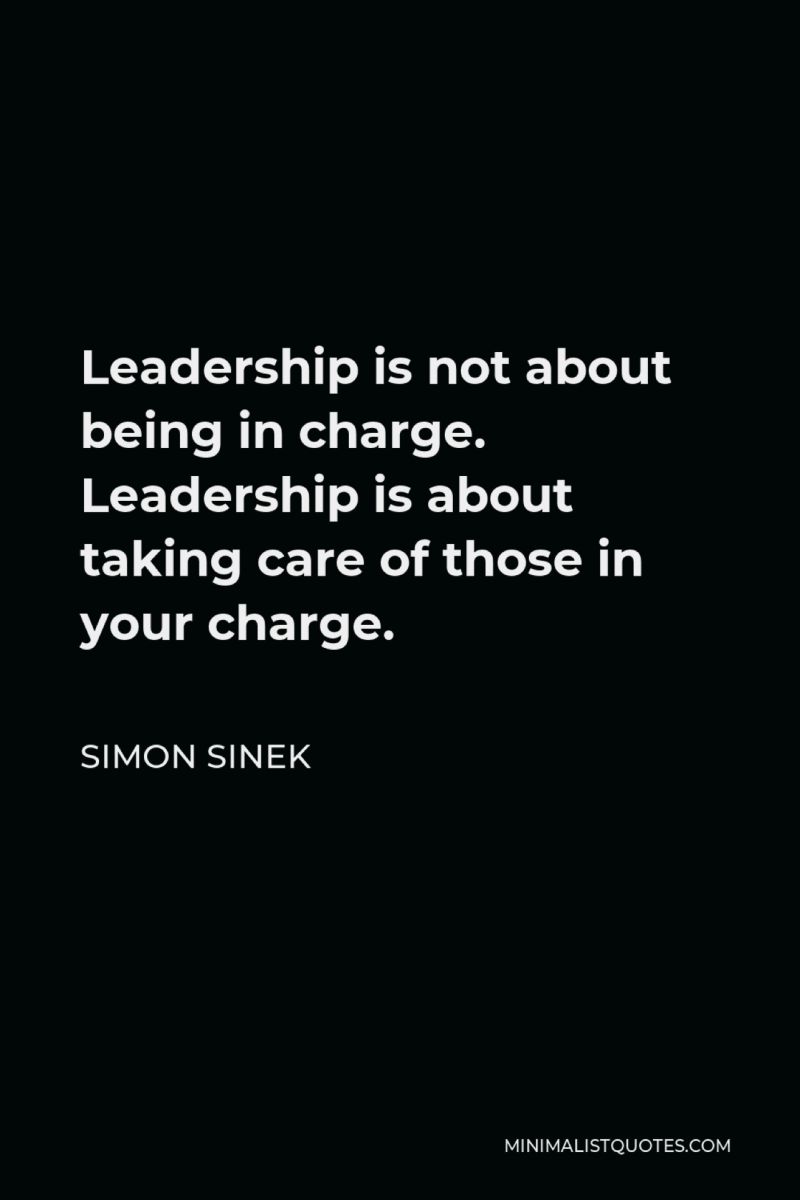
If you're called to lead, you're called to shepherd. And shepherding requires more than knowledge: it requires heart. It requires the ability to see what others miss, feel what others overlook, and respond with wisdom and grace.
The flock doesn't just need direction. They need someone who notices when they're limping, when they're scared, when they're ready to run. They need a shepherd who pays attention.
Are you that kind of leader?
Ready to sharpen your leadership and grow in emotional intelligence? Dr. Layne McDonald offers coaching, training, and resources designed to help you lead with wisdom, heart, and biblical clarity. Start your journey at www.laynemcdonald.com.
Comments