
The Long Game of Personal Growth
- Dr. Layne McDonald
- Jun 9
- 5 min read

You know that feeling when you commit to growing spiritually, sign up for a new devotional plan, and expect to wake up the next morning completely transformed? Yeah, me too. But here's what I've learned after years of coaching and walking alongside believers: real growth doesn't happen in lightning strikes. It happens in the quiet, consistent choices we make day after day.
Christian personal growth isn't about sprinting toward perfection. It's about showing up faithfully, even when progress feels invisible.
Why Quick Fixes Never Stick
Our culture screams at us to hurry up. Lose weight in 30 days. Master a skill in a weekend. Transform your life with this one trick. But Scripture tells a different story. Jesus spent 40 days in the wilderness. The Israelites wandered for 40 years. Paul needed time in Arabia before his ministry exploded.
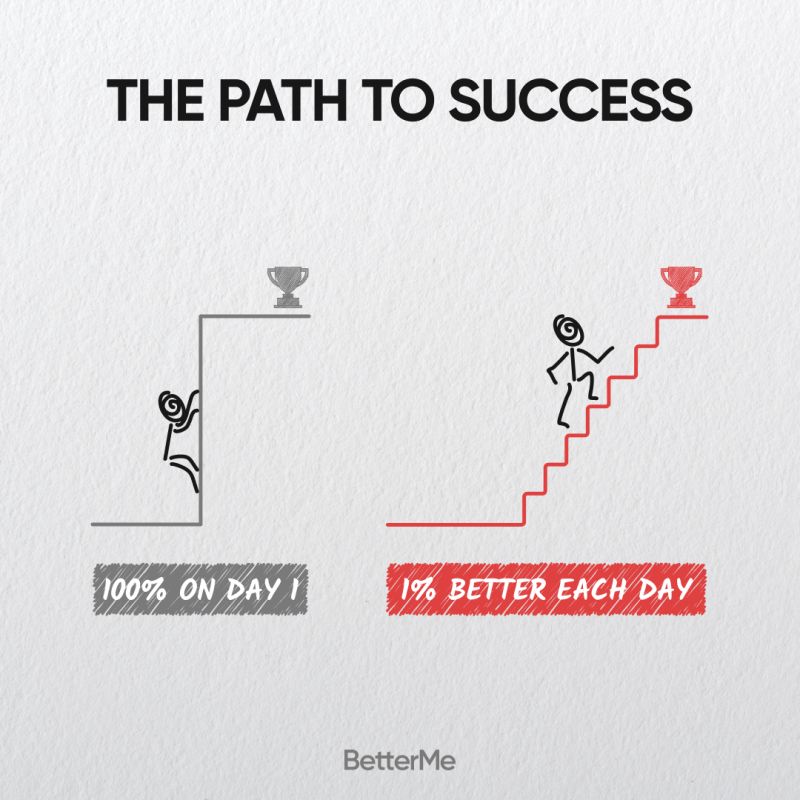
God's timeline rarely matches ours, and that's actually good news. When we embrace the long game, we stop beating ourselves up over yesterday's failures and start focusing on today's faithful steps.
The problem with quick fixes? They promise transformation without transformation. They offer change without the deep work that makes change last. And when the results don't stick, we blame ourselves instead of recognizing that we were chasing something that was never sustainable in the first place.
The Biblical Foundation for Steady Growth
Think about how Jesus described the Kingdom of God. He didn't compare it to a microwave dinner. He talked about seeds, yeast, and mustard plants. Small beginnings. Hidden work. Gradual expansion.
In Philippians 1:6, Paul writes with confidence: "He who began a good work in you will carry it on to completion until the day of Christ Jesus." Notice the timeline? Until the day of Christ Jesus. That's the ultimate long game right there.
Your spiritual development isn't a project with a deadline. It's a partnership with the Holy Spirit that unfolds over your entire lifetime. Some seasons you'll feel dramatic breakthrough. Other seasons you'll wonder if anything's changing at all. Both seasons matter. Both seasons count.

Build Self-Awareness Through Reflection
Here's where personal growth gets practical. You can't grow in areas you won't examine. Self-awareness is the starting point for every meaningful change in your life.
I'm talking about creating space to ask yourself honest questions:
What patterns keep showing up in my relationships?
When do I feel closest to God, and when do I feel distant?
What drains my energy, and what fills me up?
Where am I settling for less than God's best?
Journaling doesn't have to be fancy. Ten minutes before bed. A voice memo on your morning commute. Whatever works for your rhythm. The goal is simple: notice what's happening inside you so you can invite God into those spaces.
King David was brilliant at this. Read through the Psalms and you'll see a man who brought everything to God: the good, the bad, the ugly, and the confused. He didn't pretend to have it all together. He processed his life with brutal honesty before the Lord.
That's the kind of self-awareness that leads to transformation.
Celebrate Small Wins
One of the biggest mistakes I see people make? They only celebrate when they reach the finish line. But what if the finish line is years away? What if it's Heaven?
You need fuel for the journey, and celebration is premium octane.
Did you choose patience when your kid pushed your buttons for the hundredth time today? Celebrate that. Did you open your Bible even though you were exhausted? Celebrate that. Did you apologize when you could have defended yourself? Celebrate that.
Small wins aren't insignificant. They're evidence that God is working in you. They're proof that you're not the same person you were last month. They're mile markers that show you're actually moving forward, even when the destination still feels far away.
When you train yourself to notice and celebrate progress, you create momentum. You build confidence. You remind yourself that this long game is actually producing fruit.
Shape Sustainable Habits
Let's talk about the habits that stick versus the ones that fizzle out after two weeks.
Sustainable habits are:
Small enough to start today – Don't overhaul your entire life. Add one thing.
Connected to your why – If you don't know why it matters, you won't keep doing it.
Flexible, not rigid – Life happens. Grace matters.
Rooted in your identity in Christ – You're not trying to earn God's love. You're responding to it.
Maybe your sustainable habit is praying for 60 seconds when you first wake up. Maybe it's texting one encouraging message each day. Maybe it's going for a walk while you listen to worship music.
The best habit isn't the most impressive one. It's the one you'll actually do tomorrow, and the day after that, and the day after that.
Jesus talked about this when He said His yoke is easy and His burden is light. He's not asking you to carry what you can't sustain. He's inviting you into a rhythm of grace that you can maintain for the long haul.
Develop Emotional Resilience
Growth isn't just about what you do. It's about who you're becoming in the middle of the storms.
Emotional resilience means you don't fall apart when life doesn't go according to plan. It means you can feel disappointment without drowning in it. It means you can face your weaknesses without shame spiraling.
This is where faith becomes practical. When you genuinely believe that God works all things together for good (Romans 8:28), setbacks stop feeling like dead ends. They become detours. Plot twists. Opportunities for God to show up in ways you couldn't orchestrate yourself.

Building emotional resilience requires self-compassion. You have to talk to yourself the way God talks to you: with truth and tenderness, conviction and grace. You have to give yourself permission to be in process without beating yourself up for not being finished.
Break Goals Into Manageable Steps
Big dreams are beautiful, but they're also overwhelming if you don't break them down.
Think about where you want to be five years from now in your walk with God. What would need to be true one year from now to make that possible? What about six months from now? This month? This week? Today?
When you reverse-engineer your vision, it stops being this vague, intimidating thing floating in the future. It becomes a series of stepping stones you can actually take.
And here's the key: each step should be small enough that you can accomplish it without heroic effort. You're building a staircase, not attempting a vertical leap.
God didn't give you your dreams to frustrate you. He gave them to you to partner with you. Break them down. Take the next right step. Trust Him with the timeline.
Keep Playing the Long Game
Christian personal growth isn't flashy. It won't make for viral content. But it's the kind of transformation that lasts.
It's the parent who chooses patience one interaction at a time until patience becomes their default. It's the leader who invests in character when no one's watching so they have integrity when everyone is. It's the believer who keeps showing up to prayer even when Heaven feels silent because they trust God is working beneath the surface.
You're not trying to be perfect by tomorrow. You're becoming more like Jesus over a lifetime. That's the long game, and it's absolutely worth playing.
Ready to go deeper in your personal growth journey? Dr. Layne McDonald offers coaching, resources, and training designed to help you build sustainable rhythms of transformation. Visit www.laynemcdonald.com to explore books, courses, and mentorship opportunities that will equip you for the long game of becoming everything God created you to be.
Comments