The Mandalorian & Grogu Christian Review – Protection, Purpose, and the Path of the Father
- Dr. Layne McDonald
- Mar 13
- 6 min read
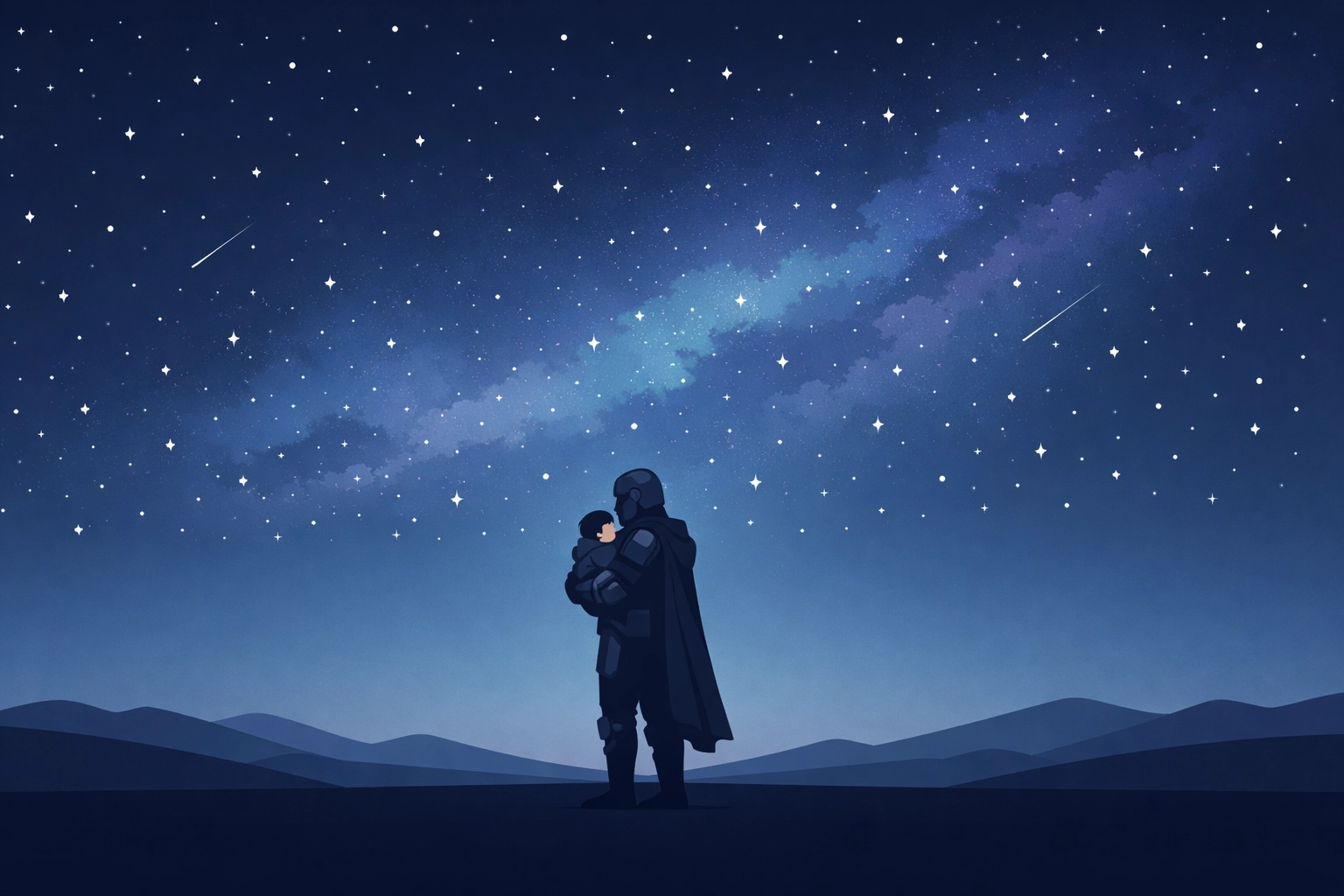
The galaxy far, far away is getting ready to welcome back one of its most beloved duos. The Mandalorian & Grogu is set to hit theaters in 2026, bringing Din Djarin and his pint-sized Force-sensitive companion to the big screen for the first time. For those of us who’ve followed their journey through the Disney+ series, this movie promises to be a continuation of the story that captured hearts with its themes of unlikely fatherhood, sacrificial love, and the search for purpose.
But beyond the action sequences and adorable “baby Yoda” moments, I’m watching for something deeper: glimpses of what it looks like to carry a calling with reverence. When I approach stories like this as a kind of “Digital Tabernacle” moment, I’m not chasing hot takes or clicks—I’m looking for the places where sacrifice, protection, and mercy quietly point my heart back toward God’s presence and eternal priorities.
Let’s break down what we can expect from this film and explore how its themes align with (and sometimes challenge) a biblical worldview.
Christian Safety Rating: ★★★★☆ (4/5 Stars)
Based on the previous seasons of The Mandalorian, here’s what families can typically expect:
Content Concerns:
- Violence: Moderate sci-fi action violence (blaster fights, explosions). Approximately 15–20 combat sequences per season, though typically not graphic or gory.
- Language: Minimal profanity. The series has maintained a family-friendly standard with maybe 1–2 mild language instances per season.
- Sexual Content: None. The show keeps relationships respectful and appropriate.
- Spiritual Themes: Heavy emphasis on “The Way” (Mandalorian Creed), which functions as a quasi-religious code.
Parent Notes: This is one of the safer Star Wars entries for families. The bond between Din and Grogu is genuinely wholesome, and the show prioritizes character development over gratuitous content. Younger kids (under 8) might find some action sequences intense, but it’s generally appropriate for tweens and teens.

The Father Who Found His Purpose
At its core, The Mandalorian tells the story of a man who discovers his true calling wasn’t what he thought. Din Djarin starts as a bounty hunter, a lone wolf with a strict code and zero emotional attachments. His mission? Capture targets, collect payment, move on. It’s transactional. It’s safe. It requires nothing of his heart.
Then Grogu enters the picture, and everything changes.
What makes this transformation so compelling from a Christian perspective is how it mirrors the biblical concept of adoption and chosen family. Din didn’t go looking for a son. He wasn’t prepared for fatherhood. Yet when the moment came to choose between his contract and protecting this vulnerable child, something shifted. He chose relationship over transaction. He chose love over convenience.
This echoes Ephesians 1:5, where Paul writes about how God “predestined us for adoption to himself as sons through Jesus Christ.” Adoption in the Christian faith isn’t about biological connection—it’s about covenant, commitment, and choosing to claim someone as your own. Din’s journey with Grogu illustrates this principle. By the end of Season 2, Grogu isn’t just “the kid.” He’s his kid. And by Season 3, Grogu officially becomes “Grogu din Djarin,” taking on his adoptive father’s name.
Sacrificial Love in Action
One of the most Christ-like aspects of Din’s character is his willingness to sacrifice for Grogu. Time and again, he puts his own safety, reputation, and even his creed on the line to protect this child.
The most striking example? When Din removes his helmet—something forbidden by his Mandalorian sect—to save Grogu’s life. This act of breaking “the rules” to preserve relationship is a powerful picture of how love sometimes calls us beyond legalism. Jesus consistently challenged religious leaders who prioritized rules over people (Mark 2:27: “The Sabbath was made for man, not man for the Sabbath”).
Din’s choice wasn’t about rejecting his faith; it was about recognizing that protecting the life entrusted to him mattered more than rigid adherence to tradition. That distinction matters to me. I want to stand firm on biblical truth while also recognizing that some “rules” are cultural constructs that can become barriers to genuine ministry and love.
The series doesn’t shy away from the consequences either. Din becomes an outcast, labeled an apostate by his people. Yet the story later provides a path to restoration through a ritualistic cleansing that carries strong baptismal imagery—water as a symbol of renewal and being welcomed back into community. It’s a picture of Romans 8:1: “There is therefore now no condemnation for those who are in Christ Jesus.”
The Creed: Wrestling With What Really Matters
“This is the Way” has become an iconic phrase from the series, representing the Mandalorian code that governs everything from combat to daily living. For Christian viewers, the Creed raises interesting questions about faith, tradition, and discernment.
The Mandalorians treat their code with near-religious devotion. It provides identity, purpose, and community. But as the series progresses, we see different groups of Mandalorians interpreting “The Way” differently. Some, like Din’s original sect, are fundamentalists who never remove their helmets. Others are more flexible, recognizing that the spirit of the code matters more than rigid compliance.
This mirrors debates within Christianity about essential doctrines versus secondary issues. What are the non-negotiables of faith? Where does Scripture allow for freedom and cultural adaptation? These are questions every generation of believers must wrestle with.

The beauty of The Mandalorian is that it doesn’t present easy answers. Din’s journey involves learning to think critically about his traditions while maintaining deep respect for their purpose. He’s not abandoning his faith; he’s maturing in it. And as I read that through a “Digital Tabernacle” lens, I’m reminded that the point isn’t winning arguments—it’s staying tender to God’s presence and letting love shape my obedience.
Finding Beauty in Unlikely Saints
The comparisons people make between Din and figures like Saint Christopher and Saint Joseph can be insightful. Like Christopher, who discovered his calling by serving one he initially didn’t understand, Din finds his life’s meaning through protecting Grogu. Like Joseph, he embodies quiet, protective fatherhood that seeks no recognition but faithfully stewards what’s been entrusted to him.
These parallels matter because they remind me that Christ-like character can appear in unexpected places. Din Djarin is no saint in the traditional sense—he’s a hired gun with a complicated past. Yet his transformation demonstrates how encountering genuine need and choosing to respond with love can redirect an entire life.
It’s the story of the Good Samaritan. It’s Zacchaeus climbing down from the tree a changed man. It’s every conversion story where someone’s carefully constructed life gets beautifully disrupted by grace.
What to Expect From the Movie
While specific plot details are still under wraps, the upcoming The Mandalorian & Grogu film will likely continue exploring these themes of family, purpose, and belonging. I’m expecting:
- Deeper exploration of Grogu’s Force abilities and how Din navigates raising a child with powers he doesn’t understand
- Challenges to their bond that test whether their relationship can withstand external pressure
- More wrestling with Mandalorian identity and what it means to honor tradition while forging a new path
- Epic action sequences (it’s Star Wars, after all) that showcase Din’s skills as both warrior and protector
The theatrical format suggests we’re getting a more condensed, high-stakes story than the episodic series format allowed. Expect emotional punches and character development wrapped in blockbuster spectacle.

Takeaway / Next Step
The Mandalorian & Grogu offers Christian families a rare opportunity: a mainstream blockbuster that, while not explicitly faith-based, wrestles with deeply biblical themes. For me, this is where the “Digital Tabernacle” mindset gets practical. I’m not just consuming entertainment—I’m inviting the Holy Spirit to spotlight what’s eternal: protection, responsibility, mercy, and covenant love.
Before you head to the theater in 2026, here are a few discussion questions for your family or small group:
1. How does Din’s journey mirror the Christian concept of adoption into God’s family?
2. When have you had to choose between “the rules” and genuine love for someone? How did you navigate that?
3. What does sacrificial fatherhood look like in our culture today?
4. How can we honor traditions while staying open to growth and new understanding?
The movie won’t be perfect from a Christian perspective—no secular entertainment is. But I still think it’s worth engaging with thoughtfully. After all, if God can speak through a burning bush, He can certainly use a space western to remind me what matters most: protecting the vulnerable, loving sacrificially, and discovering that my true purpose often looks nothing like what I planned.
Disclaimer: This content is for educational and inspirational purposes.
Filtering tip: If you want to watch with fewer surprises, I recommend using VidAngel or Enjoy Movies Your Way (where available) to filter content and keep family movie night aligned with your convictions.
Boundless: Want more faith-building resources that help you heal, grow, and course-correct with Jesus? Check out Boundless on the site for encouragement, practical next steps, and new drops as they go live.
Stay connected: If you found this review helpful, make sure to subscribe or follow for more Christian perspectives on movies, faith, and culture. I’m committed to helping families navigate entertainment choices thoughtfully. And remember: reach out to me on the site. visiting helps raise funds for families who lost children at no cost.
Need prayers? Text us day or night at 1-901-213-7341.