
Trust Before Commitment: The Secret to Leadership Growth

Most leaders get the sequence backwards. They expect commitment first, then maybe: maybe: they'll consider trusting their team. That's like asking someone to swim before they know there's water in the pool.
Building trust isn't a nice-to-have leadership skill. It's the foundation everything else stands on. And here's what most leadership books won't tell you: you can't demand it, you can't fake it, and you definitely can't skip it.
The Trust-First Framework
Think about the relationships in your life where you'd go to the wall for someone. I'm willing to bet those connections didn't start with a contract or a job description. They started with trust.
Research backs this up in a big way. High-trust environments create teams that align around common purpose, take calculated risks, support each other, and communicate openly. That's not management speak: that's the difference between a group of people showing up for a paycheck and a team that's genuinely invested in the mission.

Jesus modeled this perfectly. He called twelve guys: most of them rough around the edges: and invested in them before they ever proved themselves. He trusted them with His message, His reputation, and ultimately His mission. That's radical trust. And it changed the world.
Two Types of Trust That Drive Commitment
Cognitive trust is about competence. Can you deliver? Do you know your stuff? Are you reliable when it counts?
Socioemotional trust goes deeper. It's the authenticity factor. Do people believe you genuinely care? Can they bring their real selves to the table without fear of judgment?
Here's the key: cognitive trust gets people's respect. Socioemotional trust gets their hearts. You need both.
When your team knows you're competent and you actually care about them as human beings created in God's image, that's when commitment stops being an obligation and becomes a choice they make every single day.
Why Leaders Must Extend Trust First
There's this backwards expectation in leadership culture that your position should automatically earn you trust. News flash: it doesn't work that way.
Leadership isn't about the title on your business card. It's about who you are when nobody's watching and how you treat people when there's nothing in it for you.
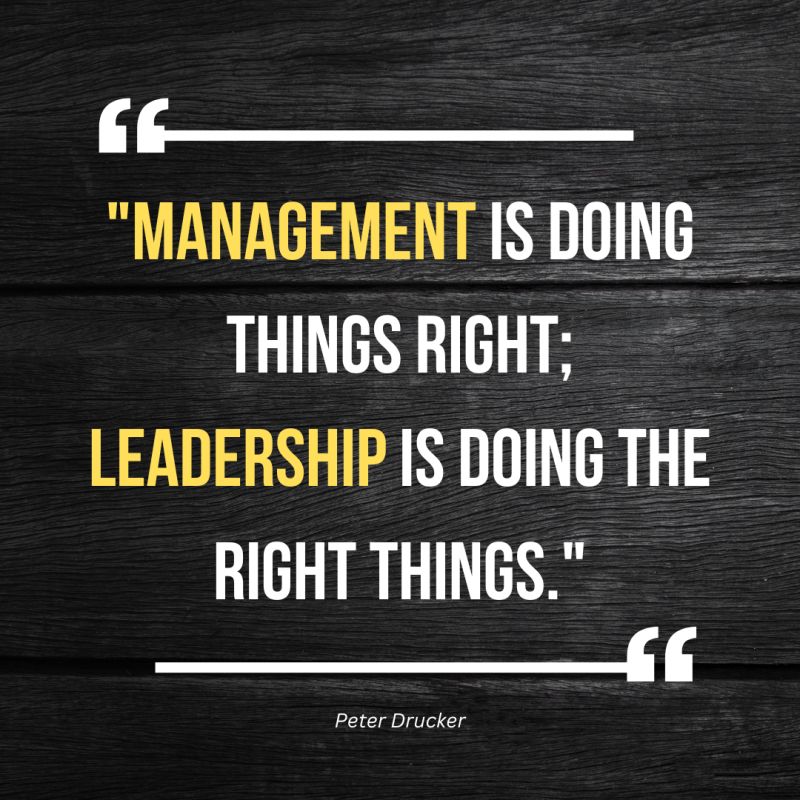
You have to initiate trust. Delegate real responsibility. Provide actual resources and training, not just motivational speeches. Show respect through your actions, not just your words.
When you extend trust first, something remarkable happens: people start extending it back. Not just to you, but to each other. That creates a ripple effect that transforms your entire team culture.
Think about the parable of the talents in Matthew 25. The master trusted his servants with significant resources before they proved what they'd do with them. That initial gesture of trust created an environment where excellence could flourish.
Building Trust in Practical Terms
Stop waiting for the perfect moment. Start with small, consistent commitments that you keep reliably.
Weekly one-on-ones are non-negotiable. But here's the twist: don't make them all about work. Balance project updates with relationship building. Ask about their families. Remember what matters to them. Follow up on conversations from last week.
Monthly team reflections on collaboration quality keep everyone honest. How are we doing? Where are we dropping the ball? What's working? This isn't a performance review: it's a temperature check on the health of your relationships.
Annual trust-building goals integrated into leadership development make this a priority, not an afterthought. Measure it. Track it. Treat it like it matters, because it does.
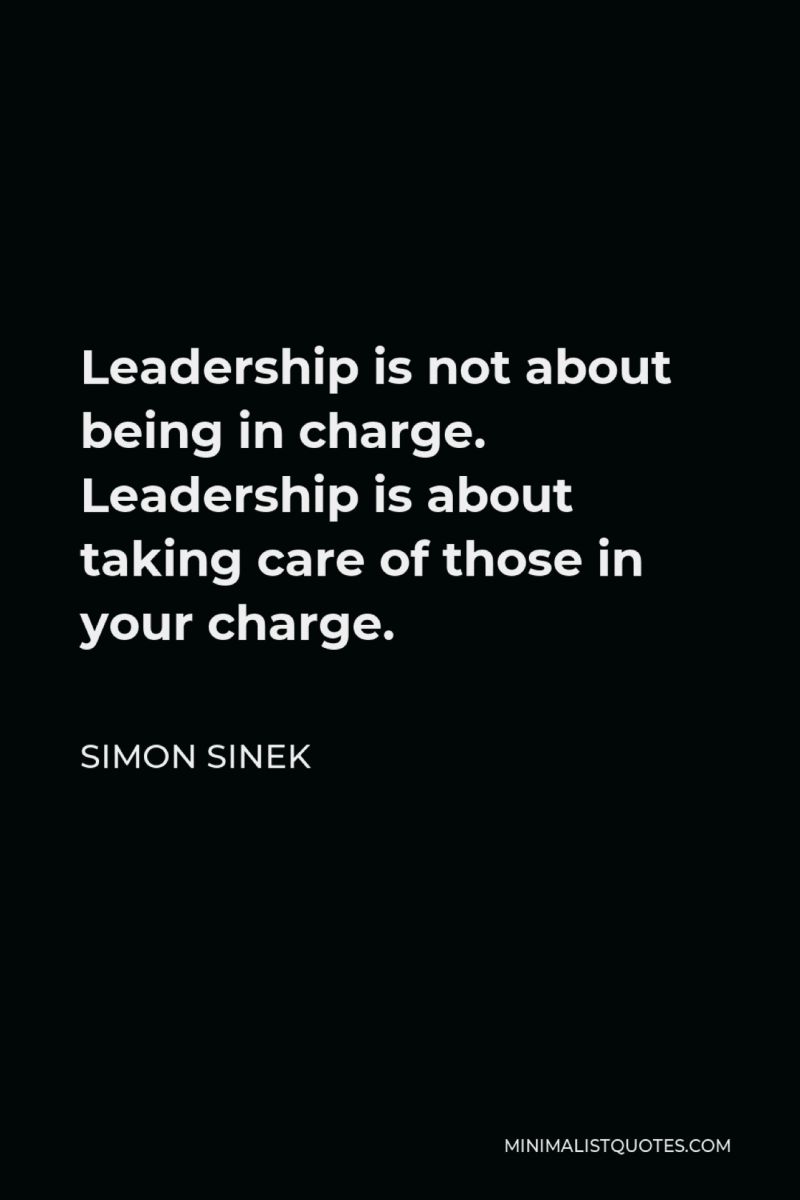
The beauty of this approach is that small wins compound. Every kept commitment builds confidence. Every honest conversation creates safety. Every time you choose transparency over politics, you're depositing into the trust account.
The Biblical Foundation
Scripture is clear about the power of trust in community. Proverbs 3:5-6 tells us to trust in the Lord with all our hearts, and that same principle applies to how we lead others.
When Paul wrote to the Thessalonians, he reminded them how he and his team shared not just the gospel but their very lives. That's trust in action. That's leadership that creates genuine commitment.
The early church in Acts thrived because they trusted each other enough to share everything they had. That level of commitment only happens when trust comes first.
Trust Creates Permission for Growth
Here's something most leaders miss: people don't resist change. They resist being changed by someone they don't trust.
When trust is present, correction becomes coaching. Feedback becomes fuel. Challenges become opportunities. Your team knows you're for them, not against them, so they're willing to stretch beyond their comfort zones.
That's how you develop leaders, not just followers. You create an environment where people feel safe enough to fail, learn, and try again.

Ralph Nader got it right: the function of leadership is to produce more leaders, not more followers. But you can't develop leaders in a low-trust environment. It just doesn't work.
The Long Game
Building trust takes time. There's no microwave version, no quick fix, no hack that bypasses the hard work of showing up consistently and caring genuinely.
But here's the good news: trust compounds. The deposits you make today pay dividends for years. The team you're building now can weather storms you haven't even encountered yet, because the foundation is solid.
This isn't about becoming a perfect leader. It's about becoming a trustworthy one. Those are different things.
Perfect leaders don't exist. Trustworthy leaders do. They admit mistakes. They ask for help. They prioritize people over politics and relationships over results, knowing that strong relationships ultimately drive better results anyway.
Your Next Step
So where do you start? Pick one person on your team. Schedule a one-on-one this week. Not to talk about projects or deadlines: just to connect. Ask them what they need. Listen without planning your response. Show up and care.
Then do it again next week. And the week after that. Watch what happens when trust becomes your leadership strategy instead of an afterthought.
Want to go deeper on building trust and developing as a leader? Dr. Layne McDonald offers coaching, mentorship, and practical resources designed to help you lead with integrity and impact. Visit www.laynemcdonald.com to explore books, video courses, and personalized coaching that will transform how you lead. Plus, every visit to the site raises funds through Google AdSense for families who have lost children: at no cost to you.
And if you're looking for a spiritual home that keeps you grounded, check out www.boundlessonlinechurch.org. It's a private online church where you can watch teachings and join family groups that support your growth in faith and leadership.
Trust first. Commitment follows. That's not just good leadership; it's the Jesus way.
Comments