
Christian Healing vs. Just Moving On: Which Path Actually Brings Wholeness?
- Dr. Layne McDonald
- Dec 10, 2025
- 5 min read

When life hits us with betrayal, loss, trauma, or deep disappointment, we face a crucial choice. Do we push through the pain and try to move on as quickly as possible? Or do we take the longer, often more challenging path of true healing?
Most of us have been conditioned to believe that strength means bouncing back fast. We admire people who seem unaffected by hardship, who dust themselves off and keep going. But what if this approach actually keeps us from experiencing the wholeness God intends for us?
Understanding Christian Healing
Christian healing goes far beyond symptom management or emotional band-aids. It's a complete restoration process that addresses your relationship with God, your inner life, and your capacity to love and trust again.
True Christian healing acknowledges that grief and pain serve a purpose. Rather than viewing difficult emotions as enemies to defeat, this approach recognizes them as necessary stages that must be processed before genuine restoration can occur. It's not about getting over something: it's about getting through it with God's help and emerging transformed.
This healing process involves your entire being: mind, will, and emotions. Your mind gets renewed by God's truth instead of remaining trapped in lies or distorted thinking patterns. Your emotions find freedom from the control of pain, anger, or fear. Your will aligns with God's purposes rather than staying stuck in destructive patterns.
The timeline for Christian healing isn't rushed. It honors both God's timing and the natural process of working through deep wounds. Sometimes healing happens quickly, but more often it unfolds gradually as you learn to trust God with your pain and allow Him to do His transformative work.
The "Just Moving On" Approach
Moving on without healing might look productive on the surface, but it often leaves significant problems unresolved. This approach typically involves:
Suppressing difficult emotions instead of processing them
Avoiding situations or people that trigger painful memories
Staying busy enough to avoid dealing with underlying issues
Focusing on external changes while ignoring internal wounds
Trying to forget rather than finding meaning in the experience

People who "just move on" often appear strong and resilient. They return to normal activities, maintain their responsibilities, and may even achieve significant success. But underneath the functional exterior, they're carrying unhealed wounds that affect their relationships, decision-making, and emotional well-being.
This approach treats symptoms rather than causes. You might change jobs to escape a toxic work environment, but if you haven't processed the betrayal or abuse you experienced, you'll likely recreate similar patterns elsewhere. You might end a relationship after being hurt, but without healing, you'll struggle to trust or love fully in future relationships.
Key Differences That Matter
The fundamental difference between Christian healing and just moving on lies in the destination. Moving on aims to get past something, while Christian healing aims to be transformed by something.
When you simply move on, you're essentially building walls around your wounded areas. You function despite the pain, but you don't experience freedom from it. These walls might protect you from further hurt, but they also block you from receiving love, experiencing joy, and developing deep, authentic relationships.
Christian healing, on the other hand, doesn't just help you cope with wounds: it turns them into sources of strength, wisdom, and compassion. The very experiences that could have destroyed you become part of your testimony and your ability to help others.
Another crucial difference is the role of forgiveness. Moving on often involves trying to forget or distance yourself from those who hurt you. Christian healing requires forgiveness, which isn't about excusing harmful behavior or putting yourself back in danger. Instead, it's about releasing your right to revenge and trusting God with justice so you can be free.

Why Christian Healing Brings Wholeness
Wholeness is different from simply being healed. Being healed means the pain is gone; being whole means your entire person: body, soul, and spirit: has been restored and is functioning as God designed.
Christian healing brings wholeness because it addresses root issues, not just surface problems. When you allow God to heal your wounds, He doesn't just patch them up: He transforms them. The very experiences that brought you pain become sources of strength, wisdom, and ministry to others.
This process also restores your relationship with God, which is the foundation of all other healing. Many people carry wounds that affect how they view God, making it difficult to trust Him or believe in His love. Christian healing addresses these spiritual injuries, allowing you to experience God's love, acceptance, and purpose for your life.
Wholeness means you're no longer controlled by your past wounds. You can form healthy relationships, make decisions based on wisdom rather than fear, and step into the calling God has on your life. You become who God created you to be: not despite your wounds, but because of how He's transformed them.
Practical Steps Toward Christian Healing
Christian healing isn't passive waiting: it requires intentional participation in God's restoration process. Here are key steps to take:
Acknowledge Your Pain Honestly Stop minimizing your hurt or comparing your struggles to others'. Bring your pain honestly before God in prayer, knowing that He can handle your real emotions and honest questions.
Seek Godly Community and Counsel Healing happens in relationship. Find trusted Christian friends, mentors, or counselors who can walk with you through the process. Don't try to heal in isolation.
Engage with God's Word Scripture isn't just information: it's living truth that has the power to renew your mind and heal your heart. Spend time in God's Word, allowing His truth to replace lies you may believe about yourself, others, or Him.
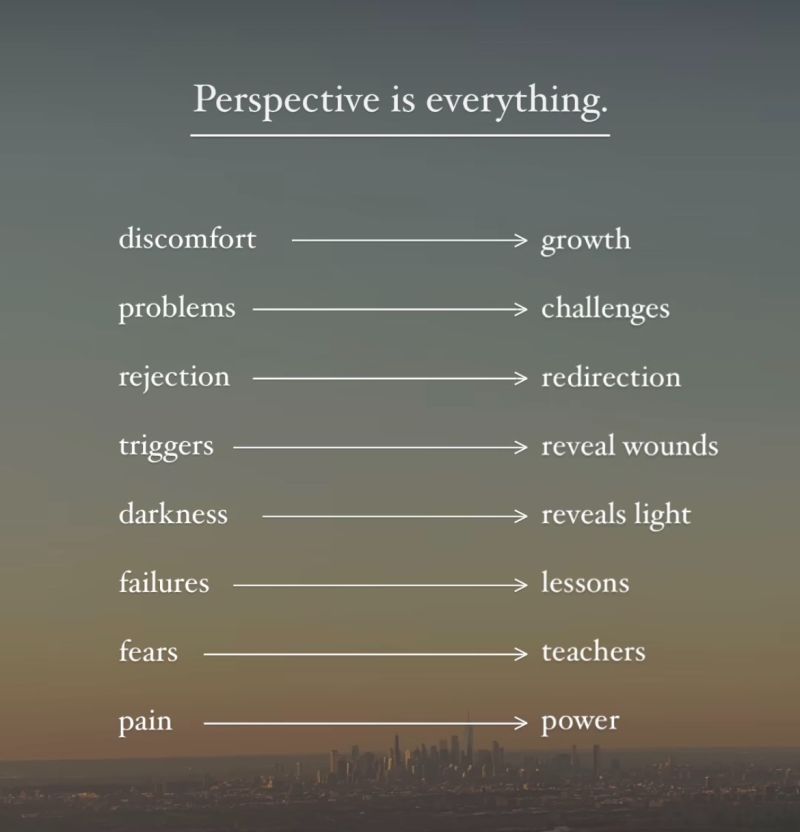
Practice Forgiveness as a Process Forgiveness isn't a one-time decision: it's often a daily choice to release resentment and trust God with justice. Be patient with yourself as you work through this process.
Allow Time for Restoration Resist the pressure to "get over it" quickly. True healing takes time, and rushing the process often leads to incomplete restoration. Trust God's timing and be patient with yourself.
The Path to True Freedom
The journey of Christian healing isn't always easy, but it leads to genuine freedom and wholeness. Unlike simply moving on, which often leaves you managing your wounds indefinitely, Christian healing offers the possibility of complete transformation.
This doesn't mean you'll never face difficulties again or that all your struggles will disappear overnight. But it does mean that you'll have the tools, the relationship with God, and the inner wholeness to navigate life's challenges from a place of strength rather than brokenness.
When you choose Christian healing over just moving on, you're choosing freedom over management, transformation over coping, and wholeness over fragmentation. You're allowing God to do what only He can do: take the broken pieces of your life and create something beautiful.
Are you ready to move beyond just getting by and step into the wholeness God has for you? The journey of Christian healing requires courage, but the destination: true freedom and restoration: is worth every step.
Ready to begin your healing journey? Discover practical, faith-based approaches to overcoming life's deepest wounds through our healing and restoration resources. Don't settle for just moving on when God has wholeness waiting for you.
If you want to learn more about Layne McDonald, his works, and media, visit www.laynemcdonald.com. Layne is the online church pastor for Boundless Online—made possible by famemphis.org/connect.
Comments